
Milic: Even EU member states that do not recognize Kosovo stand behind the Ohrid Agreement, von der Leyen speaks on behalf of everyone
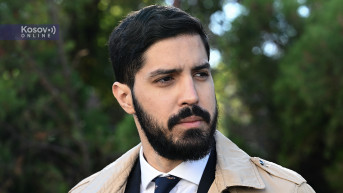
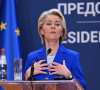
Despite some European Union member states not recognizing Kosovo's independence, the expectations outlined by Ursula von der Leyen during her visit to Pristina and Belgrade, including Serbia's de facto recognition of Kosovo, were presented on behalf of the entire European Union, according to political analyst Dimitrije Milic. He states that this is not unusual, as even EU member states that do not recognize Kosovo support the Franco-German proposal.
"When we talk about de facto recognition, it predominantly refers to recognizing documents and institutions, not recognition at the intergovernmental level. States that do not recognize Kosovo also support the Ohrid Agreement, and ultimately, Josep Borrell, the EU High Representative for Foreign Affairs and Security Policy, who comes from Spain, which has not recognized Kosovo, and the Special Representative for Belgrade-Pristina dialogue, Miroslav Lajcak, who comes from Slovakia," Milic says for Kosovo Online.
He explains that the proposed solution through the Franco-German Agreement and the Ohrid Annex is actually a product of agreement among all EU member states, including those that do not recognize Kosovo's independence.
"This solution provided by the EU to Serbia is a solution supported by all member states. Of course, to make more decisive steps within the EU, there needs to be consensus in the European Council, which is not easy to achieve. However, this solution in the Ohrid Agreement is a solution that can in some way unify all interests within the EU on this issue. As long as you don't have open recognition, it can, in a sense, function for states like Greece. Ultimately, a number of states that do not recognize Kosovo as an independent state, such as Slovakia or Greece, in a practical sense behave as if it is an independent state in terms of documents or investment on that territory. That is why the EU also has certain expectations from Serbia, and not much more than that," Milic concludes.
0 comments