
Milicevic: The last round of dialogue was not a fiasco, but there has been no progress on key issues
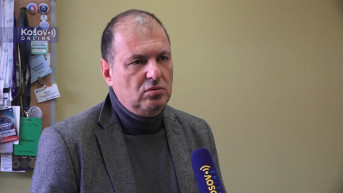
The latest round of dialogue in Brussels, unlike previous meetings in this process over the last two years, did not end in a complete fiasco, noted analyst Miodrag Milicevic from North Mitrovica, positively assessing the agreement between Belgrade and Pristina to work together on clarifying the fate of missing persons after a serious deadlock in negotiations. However, he observed that key issues regarding the implementation of the agreements reached, including the Community of Serb Municipalities (CSM), remained unresolved.
"We had some progress; we cannot say it ended like the previous ones, in a fiasco. This time we had an agreement that was finally reached after long delays and shifting deadlines, and that is positive news when we talk about the dialogue - that after a huge standstill and visible mistrust, it is clear that we now had some decent progress," Milicevic told Kosovo Online. However, the issue of implementing the agreements reached between Belgrade and Pristina remains questionable, as after previous rounds of dialogue.
He believes that more detailed analyses will be made once teams are established, both in Pristina and Belgrade, and at the level of the international community.
Given that Lajcak's term is nearing its end, he noted, it was not realistic to expect progress on key issues - CSM and agreements on telecommunications and energy.
"If we were to sum up the end of the year, the results regarding the dialogue are really modest, I would say unsatisfactory, with a tendency for such an approach in the dialogue to continue into January and February," he emphasized.
Milicevic notes that stagnation within the Kosovo-Serbia dialogue has lasted almost two years.
"Considering all the turbulence and political events in Kosovo and the very difficult relations between Belgrade and Pristina, this situation has lasted almost two full years. We have not had significant progress, and all these 'successes' that were made, if any, were made through causing certain crises, whether it's the issue of license plates, etc.," the analyst pointed out.
He adds that one cannot talk about any progress in the dialogue considering the fact that almost 10 years have passed since the agreement on establishing the CSM.
He notes that concerning the CSM, the same old platitudes and calls to both sides are still being repeated in order to get started with it.
Asked what EU Special Envoy for Dialogue Miroslav Lajcak will leave for his successor in the report concerning the dialogue, Milicevic says that the document will have positive and negative aspects of the dialogue, including all the challenges the international community is facing.
He believes that Lajcak's successor will carry a heavy burden. "Certainly, the burden and responsibility remain for all future mediators in the dialogue, who will be directly engaged and try to finally return the political dialogue between Belgrade and Pristina to where it stopped and in the manner it originally started. This will be a serious task for the international community, preceded by the Kosovo elections and political stability at the level of Serbia, including attempts to stabilize the political-security situation in northern Kosovo. These are the prerequisites that will await a new future mediator in the negotiation process," concluded Milicevic.



comments