
Mitic: It is possible that the dialogue could be unblocked because the EU is in a hurry, but the question is what does Belgrade gain from it
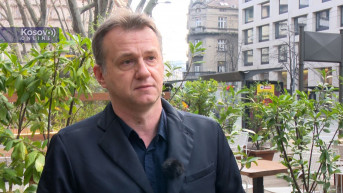
Aleksandar Mitic, a research associate at the Institute for International Politics and Economics, believes that it is possible for the Serbia-Kosovo dialogue to be unblocked after January because the European Union is in a hurry, however, he points out that the question is what Belgrade can gain from this process if the method of causing hybrid crises and pressure for the Serbian side to make concessions continues.
Regarding the message from the EU representative for dialogue, Miroslav Lajcak, that the Agreement on the normalization path should be formalized in January, Mitic considers that this deadline is absolutely unrealistic, partly due to the upcoming holidays and the fact that we are yet to see the reaction from Pristina to the concessions that Belgrade has made in the past days, which, he notes, are extremely painful.
"Of course, the European Union is in a hurry, and it creates an artificial urgency because it is entering an election year, which is very uncomfortable for it. We know that 2024 is a significant year for elections, not only in the United States but also in the EU, for the European Parliament, where it is expected that forces more skeptical of the so-called statehood of Kosovo will strengthen. So, time is not working for the EU, not for the European Commission, and, in a way, not even for the Albanian cause in Kosovo," Mitic says for Kosovo Online.
He adds that these attempts to gradually force Belgrade to de facto recognize certain elements of Kosovo's statehood are also due to these factors.
"This is a process, a method that has worked extremely well for Kurti and the Quint so far. They have caused various crises in the last two years to come to this point where, finally, the RKS license plates are recognized. They can say that this method has proven successful – causing hybrid crises and then, practically, demanding that Belgrade, under pressure, gives up on some of its 'red lines,'" our interlocutor believes.
If this method continues, Mitic does not see a particularly optimistic scenario for Belgrade.
"Belgrade must clearly define its 'red lines,' we need to know where they are and whether these methods used in the past two years and before will continue to work to the detriment of Belgrade and the Kosovo Serbs," he concludes.
He adds that it is not impossible for the dialogue itself to be unblocked.
"After all these events, it is certain that there will be some pressure on Pristina to at least formally return to the dialogue. The main question is what Belgrade gains from all of this. If these methods, this rhythm, and such an agenda of the dialogue continue, I don't see much point in Belgrade participating in such a process," Mitic says.

0 comments