
Muharemi: Elections will not resolve the deadlock, cooperation and a change of approach will
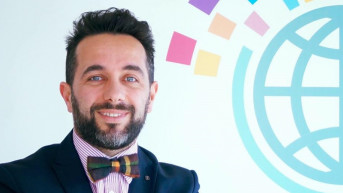
Political analyst Shenoll Muharemi assessed that the institutional blockade in Kosovo will not be easily overcome, as the root of the problem lies in the mindset and mentality of political leaders. He stressed that Self-Determination will not have a majority even after potential new elections, as it will likely win fewer votes than in the last elections.
“The lack of will and culture of cooperation, stubbornness, and political and state immaturity, including the refusal to make positive compromises for the good of the state and the public… that is the essence of the problem. The deepening of polarization and divisions among political parties is also part of the problem. This has little to do with laws, and the Constitutional Court cannot resolve these matters,” Muharemi wrote on Facebook.
He added that the problem is also deep because Kosovo currently has two main political blocs: the left, dominated by Self-Determination, and the right, represented by the PDK and LDK.
“While Self-Determination, the left, has dramatically dominated politics in recent years, especially since 2021, the party has now lost its majority, as well as credibility and trust. Moreover, its long-term goals and programs are no longer present. Thus, the political system is in transition from the left toward the right. On the other hand, the right-wing bloc is highly fragmented. This problem has recently been underestimated, but it exists and is part of the overall issue. It will become an even bigger problem in the days, weeks, and months to come, when Self-Determination will no longer have the will to form a majority, and someone else will have to do it,” Muharemi emphasized.
As he explains, the LDK and PDK, as the two right-wing parties, are still far apart.
“They belong to the same opposition bloc. They also share right-wing political orientations related to a strong private sector and a moderate government with strong investments. Thus, the PDK and LDK, which in recent times should have been offering a solution and an alternative for a new majority—a shift from the left to the right—are failing to form an alternative majority. This is due to differences and mistrust at the highest party levels, at least in one of them,” the analyst stressed.
He believes that, under these circumstances, Self-Determination will continue with its current policies, while the right-wing bloc, with its present strategy, approach, and mentality, will be unable to offer an alternative or cooperate to form a new parliamentary majority, and therefore new institutions.
“In addition, the right-wing bloc fails to offer solutions to numerous sectoral crises. They criticize and have deep disagreements regarding Self-Determination’s (leftist) governance, but they do not present alternative solutions. Our political challenge is profound and has no end in sight, despite the Constitutional Court showing the legal path and setting conditions and deadlines to help the situation… but the problem is not legal, it is political. This situation, or a similar one, could emerge even after the next extraordinary national elections, which some might consider a solution to the problem and the current blockade,” the analyst said.
He concluded that even after the next elections, Self-Determination will not be able to form a majority, as it will probably win fewer seats than now.
“As for the other bloc, the LDK and PDK will not cooperate sufficiently to form a second bloc. This is a sensitive political situation that requires mature and strategic politicians and party leaders, but at present, the focus is on the interests of the parties and their leaders, not the public interest and the interest of Kosovo. Without cooperation between two of the three major parties to form a majority, there is no solution to the political crisis. Even the inevitable next elections will not resolve the deadlock. Cooperation and a change of approach will,” Muharemi concluded.



0 comments