
Muhaxhiri: The European Council decision on Chapter 35 is a necessity for Serbia for agreements to be implemented
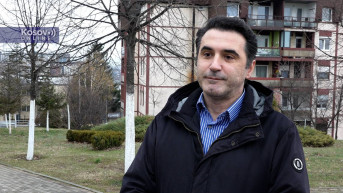
Analyst from Pristina, Artan Muhaxhiri, believes that the European Council's request to include the Brussels Agreement and its Ohrid Annex in Chapter 35 of the EU-Serbia accession negotiation process resulted from Belgrade's positions, specifically those of President Aleksandar Vucic and Prime Minister Ana Brnabic, that they would not accept the agreement in its entirety, only a part of it, which, he says, is not a matter that is subject to negotiation.
Muhaxhiri states that the international community has an interest in both parties in the dialogue accepting the entire process and that the European Council's decision on Chapter 35 was a necessity for the agreements to be implemented.
"I am not sure if this was a mistake by President Vucic or strategic thinking because he will now have an excuse to tell the citizens that it is absolutely necessary to fully respect the Ohrid Agreement, as there is no other option. On the other hand, there is a possibility that it was a mistake, and by attempting not to accept the entire Ohrid Agreement, he triggered EU responses by placing the agreement in Chapter 35, thereby putting institutions in Belgrade under much greater pressure", Muhaxhiri says.
As he adds, Kosovo and Serbia have no other option for European integration than to participate in the dialogue and respect its criteria and premises.
"If any side does not respect this, it will be isolated, and its EU perspective will be blocked. I think that is not an option for either Kosovo or Serbia. However, we can expect that politicians do not easily make compromises, but in the end, of course, they will have to make them because otherwise, the perspective for their countries and citizens will be much darker", Muhaxhiri says.
He says that the international community, especially the US and powerful EU members such as France and Germany, have invested a lot of financial and political resources in the dialogue process and will not allow, as he says, Balkan populist leaders to destroy their investment.
"The only alternative, geopolitically speaking, for the normalization of our region, is reaching a historic agreement between Serbia and Kosovo and moving on to a new chapter, but we have populist politicians who want to slow down this process due to their election-related interests", Muhaxhiri assesses.


0 comments