
NATO Parliamentary Assembly: Belgrade-Pristina dialogue key to lasting regional stability
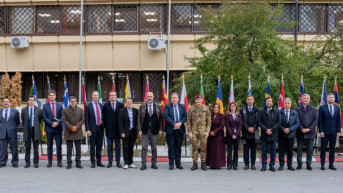
The improved security situation in Kosovo should create space for renewed political progress, stronger democratic institutions and greater trust among communities, members of the NATO Parliamentary Assembly concluded following an information visit to Pristina on October 28 and 29. However, they warned that persistent tensions and hybrid threats continued to pose challenges to long-term stability, stressing that the Belgrade-Pristina dialogue, normalization of relations and implementation of existing commitments were key to regional stability.
During discussions held as part of the information visit to Pristina, participants stressed that security and political progress must advance in parallel.
“The EU-facilitated Belgrade-Pristina Dialogue remains key to lasting stability in the region. Progress on normalization and implementation of existing commitments will be essential in the foreseeable future,” the NATO Parliamentary Assembly said in a statement.
Members of the Political Committee discussed Kosovo’s ambitions to deepen its Euro-Atlantic integration and make a greater contribution to regional security.
According to the statement, Kosovo Prime Minister Albin Kurti and other senior officials outlined Kosovo’s strategic priorities, including increased investment in defense, equipment procurement and recruitment, as well as efforts to enhance the training of the Kosovo Security Force (KSF) and its interoperability with Allied forces.
“Kosovo’s leaders reiterated that NATO membership remains a strategic priority and highlighted the country’s continued political and practical support for Ukraine. Discussions during the information visit also underscored the strong consensus across Kosovo’s political spectrum and society in support of NATO membership and close cooperation with the Alliance,” the NATO Parliamentary Assembly said.
The delegation also discussed the evolving security environment and NATO’s continued role in Kosovo, including during a visit to KFOR headquarters.
“KFOR continues to play a key role in maintaining a safe and secure environment and freedom of movement for all communities. NATO has begun a gradual, conditions-based adjustment of KFOR’s force posture in response to the improved security situation, while retaining the ability to adapt its presence should conditions deteriorate,” the statement said.
The delegation added that Kosovo now had an opportunity to advance political reforms, strengthen democratic institutions and move closer to its Euro-Atlantic aspirations.
“Discussions during the information visit highlighted as priorities the strengthening of the rule of law, parliamentary oversight and institutional accountability, as well as building greater trust among non-majority communities through effective protection of language and property rights, political participation and access to public services,” the delegation said in its statement.
During their visit to Kosovo, delegation members also met with ministers, representatives of parliamentary groups from both governing and opposition parties, representatives of non-majority communities, officials from KFOR, UNMIK and EULEX, as well as independent experts and representatives of civil society.

comments