
Nikolic: Kurti’s bridges serve no purpose, he’s preparing for local elections
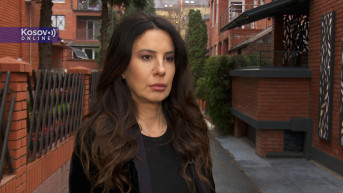
President of the Committee for Kosovo and Metohija of the Serbian National Assembly, Danijela Nikolic, stated today that by signing the petition against the construction of new bridges over the Ibar River, the Serbs have said “no” to Albin Kurti and his unilateralism—not because they oppose development in their own city, but because Kurti’s intentions are clear, Euronews Serbia reports.
“We already have three bridges in Kosovska Mitrovica, and unfortunately, they don’t symbolize what they should in a normal world—connection. We remember the time when thousands of incidents took place on the main bridge. These bridges are not a point of connection, but of division—a buffer zone separating Serbs and Albanians. Kurti wants to impose a bitter taste of freedom on us. And just how free and safe we are is evident in the fact that in the past four years there have been 654 attacks on Serbs, 171 cases of direct attacks on property, displacement of people, street ID checks, politically staged trials in Pristina… All of this shows we do not trust Albin Kurti’s intentions,” said Nikolic.
She emphasized that Kurti’s bridges serve no real purpose and that they are part of his preparations for the October 12 local elections in Kosovo.
“He wants to present himself to the international community as a successful politician, a peacemaker, someone who wants the bridges to symbolize connection between Serbs and Albanians. In reality, it’s quite the opposite,” Nikolic told Euronews Serbia.
She reminded that representatives of the Serb List will submit the petition to EULEX, KFOR, representatives of the Quint countries, OSCE, and UNMIK to inform them of what the Serbs really want.
“Surely someone should ask the Serbs what they think,” Nikolic stressed.
Asked whether she expects a concrete response from the international community—not just another call for “both sides to de-escalate”—Nikolic said she sincerely hopes so, but added that for 25 years, people have been waiting for at least one gesture in favor of justice.
“There are no real measures directed at Albin Kurti, which is evident even now in the situation in Parliament,” she noted.
In her view, the fact that more than 40 attempts to constitute the parliament have failed is a clear sign that Kurti’s policy has failed, that he no longer enjoys support even among his own people—but still retains backing from part of the international community.
“I hope someone will acknowledge the voice of the 95 percent who want to express how they wish to live—which in a democratic society should be completely normal. We do not want his bridges, which for us are a symbol of suffering. If God wills, new infrastructure projects will be built by new Serbian mayors after October 12,” said Nikolic.
She added that the current institutional vacuum benefits Kurti, as there is no precedent in any society where someone holds both legislative and executive powers simultaneously.
Kurti, she noted, is both a sitting MP and acting Prime Minister.
“You cannot do both at once. He will try to delegitimize the Serb List, to criminalize our people. He has sent summonses to all visible Serbs to report to the Special Prosecutor’s Office, which he himself doesn’t respect,” said Nikolic.
She recalled that Serbian List President Zlatan Elek responded to the summons, and although the hearing was postponed indefinitely due to the illness of his attorney, he demonstrated support for all detained Serbs who have been imprisoned for two years without trials or evidence.
“In essence, it will be difficult, and Kurti will do everything by October 12 to bring in new political representatives of Serbs because the Serb List is not to his liking—and never will be,” Nikolic said firmly.
She expressed hope that citizens will turn out in large numbers for the local elections, support the Serb List, and that true political representatives of the Serb community—those who care about national identity and interests—will lead those municipalities.
“Unfortunately, we cannot even talk about local issues. Everything that happens in Kosovo and Metohija goes beyond local concerns. If Kurti remains in power in Pristina, it will pose a major problem, because local authorities must cooperate with the central government. I believe these two bridges will be used as leverage to pressure the new mayors. I hope someone in the international community finally opens their eyes and stops turning their back on the Serbs—because in doing so, they are also turning their back on human rights, civil liberties, and democracy,” Nikolic stated.
Asked about Belgrade’s stance on Pristina’s attempt to involve Telekom Srbija in a so-called “hybrid war,” Nikolic said Telekom is a serious company with both Serbian and Albanian customers.
“MTS doo is a subsidiary of Telekom Srbija and enjoys a solid reputation internationally. Above all, Kurti should focus on issuing a third license to MTS doo because Albanians also use its services. That’s what bothers him—and Sveçla too. Maybe they’re even bothered by the Telekom building, or the MTS doo office near the main bridge. Kurti is waging a war against Telekom. The general director, Vladimir Lucic, is a serious man, and Telekom Srbija is a strong and respected company in the region. Ultimately, our address is the international community, and I believe our reputation will help us secure the third license that should rightfully be issued,” said Nikolic.


0 comments