
Pavkovic: Changes in the dialogue are necessary because Pristina is not interested in engaging
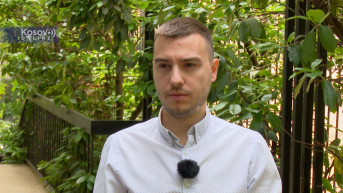
Milos Pavkovic from the Center for European Policies states that at the moment, Pristina shows almost no interest in engaging in dialogue with Belgrade or in implementing any agreements, which is why changes in the dialogue are necessary to alter its dynamics and get Pristina involved.
"Dialogue has not been high on the agenda of Albin Kurti's two governments. Introducing status issues might perhaps increase its value in Pristina and their engagement. Belgrade has been very constructive in recent years, but there has been a lack of engagement from Pristina, and it seems that this will be the first goal of the new European Union representative for the dialogue: how to engage Pristina in implementing the agreements," says Pavkovic.
Pavkovic points out that the status issue and the number one priority for Pristina is mutual recognition, but status issues also include the recognition of passports and diplomas, as well as decisions of courts and notaries or Social Work Centers, which are currently not recognized, all awaiting regulation.
Regarding the innovations that could be introduced into the dialogue in the coming period, Pavkovic mentions one option that was proposed last year by the Prime Minister of Albania, Edi Rama, namely organizing an international conference that would resolve all open issues, something that has been lacking in the dialogue so far. However, he believes this possibility is unlikely.
"The dialogue has so far used a 'salami-slicing technique,' where discussions on technical and political issues have been handled piecemeal rather than addressing the overall status of Kosovo and all open issues comprehensively. Yet, an international conference is unlikely because they are generally organized at moments when there are major security threats or conflicts in order to establish peace. Another option is to change the way the dialogue functions and the topics that enter into it. Perhaps some status issues and more technical and political questions could be opened. These could be some of the ideas of Borut Pahor who is preparing to submit his candidacy for the position of mediator in the dialogue," says Pavkovic.
Our interlocutor notes that after Lajcak's tenure, the position of the EU representative for the dialogue has not been very popular because it has proven to be a very challenging and demanding job with very few results despite efforts, and that Pahor has a good chance of becoming the new mediator since there are no other candidates at the moment.
"Lajcak's tenure, which was renewed several times, essentially passed with many unsuccessful rounds of dialogue and a loss of trust between Lajcak as a mediator and the institutions in Pristina. Kurti and Osmani have repeatedly mentioned that Lajcak and Borrell have lost the trust of the institutions and have called for a change of negotiators. Now we have the candidacy of Borut Pahor who has already mentioned that he has ideas on how to change the dynamics in the dialogue," Pavkovic reminds.

comments