
Pavkovic: Limaj sees a chance to secure more than just an opposition MP seat
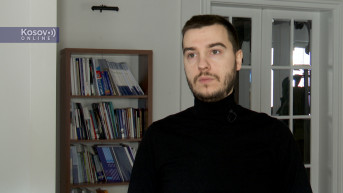
Milos Pavkovic, an associate at the Center for European Policy in Belgrade, told Kosovo Online that Fatmir Limaj’s expressed willingness to cooperate with any party to form a new government, including the Self-Determination Movement, should be seen as his personal ambition to be part of the government and secure something more than just an opposition MP seat.
“I would view it through that lens. Limaj is a longtime politician, having served multiple times in government, including as deputy prime minister in one term, so I believe this stems from his personal ambition,” Pavkovic said.
He adds that Limaj’s statement is not surprising, given the political landscape in Kosovo and the fact that experts from Pristina have pointed out the possibility of MPs "switching sides" to support Kurti in forming the next government.
“Whether a Self-Determination-led government with Limaj’s support materializes depends on the final results and the exact number of mandates Kurti is short of. Right now, every seat is crucial. Kurti currently has 47 mandates, and even if we account for the 10 minority seats, he still needs four more MPs to support him in becoming prime minister. Once the votes from abroad are counted, there may be a shift of one or two mandates in Kurti’s favor, which would ease his position,” Pavkovic explained.
In this calculation, he notes, it is also important to consider how many seats Limaj and his party will ultimately secure.
“The question is whether he will have enough mandates to support a government he would join as a member because that would mean one fewer seat for his list and one more for the Alliance for the Future of Kosovo (AAK) led by Ramush Haradinaj. Different numbers are in play, but I primarily see this as a way for Self-Determination to test the waters, while on the other side, some opposition MPs are clearly offering their support for the government, signaling their desire to join and back Albin Kurti’s administration,” Pavkovic said.
He adds that a potential "Kurti 3" government would be considered a minimal government in political theory – one with exactly 61 MPs, just enough to hold a majority, making it highly unstable and susceptible to collapse.
“It would take just one MP to change their mind, and we know that in Kosovo, MP defections and shifts in allegiance under various pressures – especially from the international community – have happened frequently. Such a government would likely be limited to a maximum period of one year because there are two major challenges ahead for any government in Kosovo: the local elections in October this year and the presidential election in January 2026,” Pavkovic stated.
He reminded that the President of Kosovo is elected by a two-thirds majority in parliament in the first two rounds of voting, and as of now, it is clear that no party or coalition has such a majority. This, he assessed, will also be a key factor in government formation and could significantly contribute to the possibility of snap parliamentary elections either in the fall or early next year.

0 comments