
Pavkovic: By selecting only Albanian notaries, Pristina sends a message that it does not want integration of the Serbian community
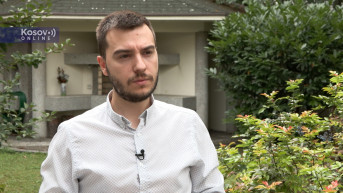
By appointing 101 notaries, none of whom are of Serbian nationality, the Pristina government sends a clear message that it does not genuinely want to integrate the Serbian community, Milos Pavkovic from the Center for European Policy says for Kosovo Online.
The Minister of Justice of Kosovo appointed notaries through a competition announced in April of this year. Despite the enormous need for notaries who can work in the Serbian language, none of the appointed notaries are of Serbian nationality.
“Serbian is an official language in Kosovo, and we have very few notaries who could verify documents in Serbian. This move, therefore, by selecting exclusively Albanian notaries who will work only in Albanian, sends a very negative message to the Serbian community – that there is no consideration for them in the government in Pristina and that their needs are simply not being thought of,” Pavkovic says.
He emphasizes that there were several Serbs who applied for this competition and who met all the conditions.
“They were legal professionals, had verified diplomas, and passed the notary exam. They met all the conditions prescribed by the competition, yet they were not selected. This sends a very clear message from the Pristina government that it does not genuinely want to integrate the Serbian community and improve conditions for the Serbian community,” our interlocutor states.
He stresses that it is very difficult to find lawyers in Kosovo who have diplomas recognized by the Kosovo legislation and who have also passed the notary exam.
“When we consider all this and see that there are several Serbs applying, yet they are not selected, it sends a very negative message to the Serbian community and is another form of institutional pressure from Kosovo’s institutions toward the Serbian community in Kosovo,” Pavkovic notes.
He points out that a particular problem for Serbs in Kosovo is that, according to Kosovo laws, an Albanian notary is not required to have a translator for the Serbian language.
“He can work exclusively in Albanian, which further incurs the costs of translating documents. Thus, citizens must translate documents at their own expense through a court interpreter, which requires money, time, and so on. I emphasize that the Serbian language is an official language in Kosovo, and Serbian citizens should have a certain number of notaries who can complete the work in the Serbian language,” Pavkovic concludes.


0 comments