
Pavkovic: U.S. decision could mark the end of Kurti’s ambitions to stay in Power
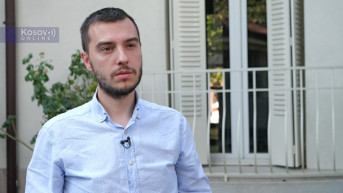
Milos Pavkovic, Director of Strategy at the Center for European Policy, assessed that Washington’s decision to postpone the planned strategic dialogue with Kosovo is the result of the actions and statements of caretaker Prime Minister Albin Kurti, which, as noted in the statement itself, generate instability and tensions. He emphasized that this move could seriously weaken support for Self-Determination and mark the end of Kurti’s ambitions to remain in power.
In a statement to Kosovo Online, Pavkovic explained that strategic dialogue is a tool of U.S. foreign policy representing a comprehensive platform for establishing diplomatic relations with various countries around the world.
He pointed out that the United States has this type of partnership with around sixty countries globally, and that it encompasses wide-ranging cooperation in politics, economics, and security.
“When we talk about the Western Balkans, only North Macedonia has this status within the strategic dialogue framework, since 2021. It was also planned for Serbia and for Kosovo, but now, for Kosovo, it has been postponed. The key message and the reason behind this decision is what the statement itself says—the remarks of caretaker Prime Minister Albin Kurti that fuel instability, remarks that have become especially relevant in recent days,” Pavkovic said.
He recalled that these statements were accompanied by actions that raise tensions on the ground and affect interethnic relations and tensions within Kosovo itself.
“This refers to the closure of the post office in Gracanica, the RFZO office in North Mitrovica, as well as a series of actions directed against the Serbian community, the closure of Serbian institutions, and attempts to bar the Serb List from participating in local elections. All of these are reasons and part of the context that led to such a radical decision by the U.S. administration, namely the U.S. Embassy in Pristina,” Pavkovic explained.
He believes that even after this decision, Kurti will not change course, since his policy has proven to be “resistant to any external developments.”
“I think this decision could affect voter support for Self-Determination, and it will be a significant blow, since the local election campaign begins tomorrow. Given that the Assembly has not yet been constituted and that early parliamentary elections are looming, this could prove to be a blow to Kurti and his electorate, and could actually mark the end of his ambitions to remain in power in Kosovo,” Pavkovic concluded.


0 comments