
PDK and LDK: Bislimi lobbies for Kosovo's membership in the EU in vain in Sweden
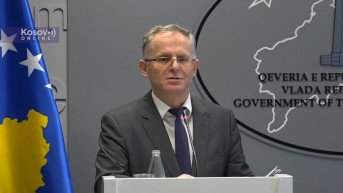
The Deputy Prime Minister of Kosovo, Besnik Bislimi, will visit Sweden this month to discuss the consideration of Kosovo's request for membership in the Union during the Swedish Presidency of the Council of the EU.
However, the opposition and experts in EU integration processes believe that Kosovo's European path depends on dialogue with Serbia and the five countries that do not recognize it and that the visit is not of great importance, Koha reports.
Bislimi's office announced that Kosovo's request for the status of a candidate country for EU membership had received wide support from member states and EU institutions, for which they were in constant contact with partner countries, especially Sweden, which held the EU presidency.
With that, the Cabinet expressed optimism that this year there would be positive developments regarding the acceptance of Kosovo's application for EU membership.
"During this month, Deputy Prime Minister Bislimi is expected to visit the Swedish capital, in order to strengthen our cooperation and Kosovo's progress in the European integration processes. At the last meeting with Commissioner Varhelyi, they also discussed the steps forward and the way forward in the integration of Kosovo into the EU. We are optimistic and expect that there will be positive developments this year and that we will continue to take important steps on our way to the European Union," the announcement states.
However, this process is viewed differently by the two opposition parties, PDK and LDK, and experts in EU integration processes, who believe that Kosovo's path to the European Union depends on the dialogue between Kosovo and Serbia and the five countries that do not recognize Kosovo.
PDK MP Ariana Musliu-Shoshi said that the application for EU membership had been submitted only for photos on social networks since examination and acceptance of the application was not possible without the five EU countries that did not recognize Kosovo.
She adds that Kosovo's institutions have not made a single step forward with any of these five countries, and therefore will be categorically against accepting Kosovo's request for the status of a candidate country for EU membership.
"These membership applications were made for photos on social networks. I estimate that the application to the European Union is the same story as with the Council of Europe, since you have five countries that do not recognize the independence of Kosovo, you have not made a single step forward with any one of them and filed an application, of whom I know the fifth will vote against," she says.
From the LDK, the president of the parliamentary committee for European integration, Rezarta Krasniqi, is also skeptical about considering the Kosovo application this year.
She stated that the integration processes of Kosovo were closely related to the dialogue with Serbia.
"All integration processes are linked to the agreement from Brussels and Ohrid that without the implementation of that agreement, there will be no other steps, such as membership in the European Union and the Council of Europe. We have also seen this with visa liberalization, which now only remains to be voted on in the European Parliament and we expect this process to be completed quickly. However, other processes are closely related to the dialogue process," Krasniqi said.
European integration expert Dorajet Imeri said that Kosovo's request for EU membership was more strategic, to show a pro-Western orientation.
"The treatment of Kosovo's application will probably not be considered for some time. The fact that Kosovo applied was strategic, an indicator of orientation rather than an expectation that its request would be processed. So it was more to show orientation, the attitude that Kosovo is a constructive party," he said.
On December 15 last year, Kosovo applied for membership in the European Union under the Czech presidency.
From January 1 to June 30 this year, the EU Council is chaired by Sweden, while in the second half of the year it will be chaired by Spain.

0 comments