
Rapajic: A problem for Kosovo’s European integration is that five EU member states do not recognize it
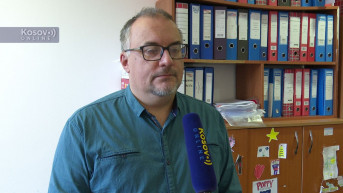
Aleksandar Rapajic, Program Director of the NGO Center for the Advocacy of Democratic Culture from North Mitrovica, does not believe that there will be any progress in the near future regarding Kosovo’s request to become a member of the European Union.
Kosovo’s application for EU membership was submitted by Prime Minister Albin Kurti on December 15, 2022, and Rapajic says that there are several reasons why Kosovo’s accession process to the EU is at a standstill.
“The first and main reason is that not all EU countries recognize Kosovo. We saw during the visa liberalization process that the positions of certain states were very strict when it came to Kosovo. In the end, those countries accepted visa liberalization for Kosovo with certain exceptions that they requested be specified. Spain is the most opposed to this, and to some extent Cyprus as well, and they do this primarily because they fear that the Kosovo issue could be transferred to their internal problems,” Rapajic told Kosovo Online.
The fact that five EU countries do not recognize Kosovo as an independent state, he adds, represents a problem in European integration because decisions are made by consensus.
From the moment Kosovo’s application was submitted three years ago, he notes, there have been quite a few unusual decisions by the central authorities, and the EU has also introduced certain sanctions against Pristina.
“However, as the situation in Europe regarding European integration develops, we see that Europe has abandoned all the principles it previously had for the integration process. Now, with certain countries, it is entering some accelerated processes, and the standards that previously existed are no longer required. For a country to move closer to the EU now, only a political decision and alignment with the decisions of EU countries are required,” Rapajic says.
How much longer Kosovo can wait for a positive response from the EU regarding its membership application, according to him, no one knows.
“The main path toward the EU will be determined by the new government that will be formed after the elections on December 28. I think that one of the main conditions for moving closer to the EU will be the position of non-majority communities, especially the position of the Serbian community in Kosovo. If the new government formed after the elections begins implementing the Brussels agreements, especially if it starts with the formation of the Community of Serb Municipalities and improves the position of the Serbian community in Kosovo, I think that in this way it might slightly open the door toward the EU, but we do not know what the results will be on December 28,” he concludes.


0 comments