
Savic: Abolition of dinar payment transactions is a problem for both the economy and the citizens; the goal is that there are no Serbs in Kosovo
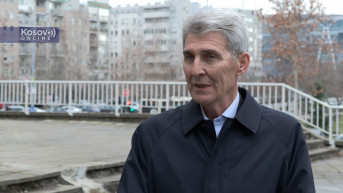
Professor of the Faculty of Economics in Belgrade, Ljubodrag Savic, tells Kosovo Online that there is a significant danger for the economy and citizens if Kosovo abolishes dinar payment transactions, emphasizing that such a move would be catastrophic for the economy.
"There is a danger for both the economy and citizens, primarily for the economy because it won't be able to function normally. We know what the experience was when they introduced those tariffs of 10 percent, then 100 percent, and finally, the prohibition of imports and exports. That is something that has catastrophic consequences for the economy," Savic says.
As he notes, the Kosovo side has its goals and seizes every opportunity to achieve them.
"The main goal is for there to be no Serbia and no Serbian people in Kosovo. That is the essential thing. If payment transactions are abolished, that will be a catastrophe. If payment transactions remain, but, for example, dinar is abolished, that will also cause significant problems. I would say, in economic functioning, and no less important is the fact that it is additional pressure on Serbs to consider whether there is still a place for them to live in Kosovo," Savic emphasized.
The professor believes that the most severe consequences will be felt by citizens employed in the Serbian Provisional Institutions in Kosovo who receive their salaries from the Serbian budget.
"People working in some companies connected to the Republic of Serbia and funded from the Serbian budget will have problems. As far as I understand, only Komercijalna Banka did that, and now they are announcing that they will withdraw. If there are no dinars, then it will be quite a significant difficulty. Of course, this can probably be solved with the euro as a currency that exists in both Serbia and Kosovo, but again, there must be a bank willing to cooperate with, for example, the Government of Serbia and the relevant ministry that pays salaries for teachers and other employees. Probably, some bank that wants to do that or some intermediary will have to be found," Savic says.
Our interlocutor states that he has seen an explanation of why the dinar cannot be used in Kosovo anymore.
"As they say, the law applies to every foreign currency. I am really curious if that law also applies to the euro. So, all of this is done with the aim of exerting additional pressure. Perhaps the primary goal is not for people to leave Kosovo as much as possible. That is important, of course, but the reason for everything is pressure on the state of Serbia to definitively recognize the Kosovo side as an equal partner and to start respecting them. Because of all this, our people from here, our companies, and our banks will have problems, but the people living in Kosovo and connected to the Republic of Serbia, i.e., receiving salaries or pensions from Serbia, will suffer the most damage," Savic concludes.
Kosovo, as he notes, can abolish dinar payment transactions overnight if they do not think about the consequences because they will also face certain problems due to that measure.
"Pristina must think about those people working in institutions connected to Serbia and receiving salaries from there. These people will probably continue to work; they must find a way to pay them. They will have some problems, but probably those problems are not important to them because it is essential for them to approach the ultimate goal, which is for Kosovo to complete its statehood and, if possible, without Serbs," Savic stated.



0 comments