
Savkovic: The acceptance of migrants will affect the Western Balkans to the extent that their integration is attempted
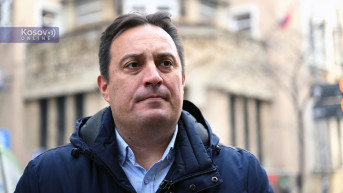
Marko Savkovic of the ISAK Fund assesses that the various arrangements under which Western Balkan countries agree to receive migrants from other states will have security and social implications for the region to the extent that these people remain in the countries to which they are transferred, and to the extent that attempts are made to integrate them—efforts that may or may not succeed.
“Much also depends on the numbers—whether they are large or remain limited. At this moment they are not very large, and we will see how things develop further,” Savkovic told Kosovo Online.
One part of the problem in such situations, he notes, is the lack of public preparation: there is no strong campaign and no consistent explanation to citizens as to why this is being done, leaving the impression that the reason is simply to obtain something in return.
“It is difficult to explain precisely what national interest can be served by accepting individuals who ‘did not pass’ somewhere else—who were not accepted as migrants and are therefore considered irregular migrants. This is a creeping problem that will certainly burden the society they arrive in,” Savkovic emphasizes.
He recalls the experience of Kosovo society with the reception of people who left Afghanistan after the end of the Western intervention in 2021, who stayed in Kosovo temporarily and were mostly accommodated in camps.
“There was no deeper integration into Kosovo society, and another home was later found for them. These are all processes in which it seems to me that the Western Balkans are merely a transit point—but time will tell,” our interlocutor concludes.



0 comments