
Shasha: Kosovo will make difficult compromises in the dialogue; the CSM is a key element
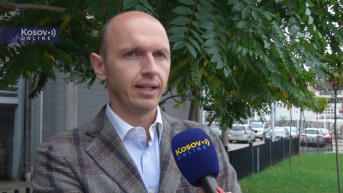
Demush Shasha, the Director of the EPIK Institute, stated that citizens should be aware that Kosovo will make compromises in the negotiation process with Serbia that will not be easy and that the CSM is a key element for the normalization of relations, as reported by Koha.
Shasha emphasizes that compromises are necessary because the Western community intends to integrate Serbia into Euro-Atlantic structures.
"We must be aware and face reality without deluding ourselves. Kosovo will make compromises in this negotiation process; it is inevitable, and these compromises will not be easy. Serbia is an important ally of the Western community, which wants to anchor it in Euro-Atlantic structures. That is their goal, and they are not pretending to love Serbia, but they recognize the fact that Serbia is the largest country in the region, both militarily and economically. Within this adjustment of Serbia, some compromises will be necessary from Kosovo. There will undoubtedly be difficult compromises, either for Kosovo or for Serbia," Shasha said.
He adds that the burden of "reviving" the Community of Serb Municipalities falls on Kosovo Prime Minister Albin Kurti.
"The CSM is definitely a key element of the normalization of relations, as our allies have repeatedly stated. The burden of its implementation falls particularly on Prime Minister Kurti. It is precisely Kurti who has demonized this term for years and raised the demonization of this term to an exceptional level," Shasha said.
According to him, the Croatian model for the CSM falls short of what Serbia expected, but Kosovo has shown that it is proactive.
"For Kosovo, it is very difficult to discuss compromises such as the CSM without receiving a counter-reward, mutual recognition of documents, symbols, and citizenship, as provided in the agreement. The synchronization of these steps, including the 'complications' caused by the departure of Serbian representatives from institutions and the holding of elections that led to political representatives having a fragile legitimacy, has created a complex situation that can be managed in the coming days. This is also the reason why State Department advisor Derek Chollet spoke with Mr. Vucic, precisely to resolve all these complexities without raising tensions in the coming days," Shasha explained.
Shasha assesses that there is not much international attention regarding the Kosovo-Serbia dialogue.
"The dialogue has been left to the competencies of second or third-level diplomats in the political hierarchy of Washington or European offices. This issue has been entrusted to the responsibility of lower-ranking diplomats, and that is why Vucic and Kurti notice the lack of international attention and are not willing to delve deeper into the dialogue," Shasha concluded.

0 comments