
Sljuka: Sorensen’s influence is not great, EU and US preoccupied with much more important issues than Kosovo
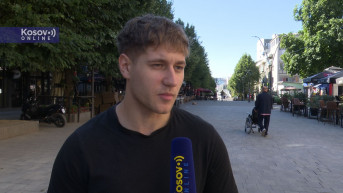
Aleksandar Sljuka, associate of the NGO “New Social Initiative,” stated that the visit of the EU’s chief mediator in the dialogue, Peter Sorensen, to Belgrade should not be interpreted in the light of current developments in Kosovo, and that at this moment it is unrealistic to expect any progress in the dialogue because both the EU and the US are focused on far more serious problems.
“I wouldn’t say this visit is connected to the current events, considering that such visits are usually planned well in advance. After his visit to Pristina, he himself said that he would be visiting Belgrade. The planning period passed, and this is a normal diplomatic occurrence. I think it is a coincidence that it coincided with these events. It could have overlapped with some other developments as well,” Sljuka told Kosovo Online.
Asked whether the ban on the Serb List, along with a series of other events in Kosovo, “hurried up” Sorensen’s visit to Belgrade, this analyst is convinced those were topics with Serbia’s top officials, but not the reason for his visit.
Sljuka assessed that at this moment the influence of the EU’s chief mediator in the dialogue is not significant, as shown by Sorensen’s previous visits to Pristina and Belgrade.
“We saw visits to Belgrade and Pristina, but we did not see anything concrete from those meetings, especially not at the highest level. We have not seen that since September 2023. Simply put, the focus of the West and the EU at this moment is not Kosovo and the situation here. There are much more important issues in the world, such as Gaza, Ukraine. On the other hand, the relationship between the EU and the US administration is not the best or not fully established on common grounds. In such a situation, if Sorensen does not have clear support and focus from the top EU officials, and at the same time if there is no coordination between the EU and the US, it is difficult to expect any progress in the dialogue,” Sljuka pointed out.
He added that the possibility of new rounds of talks at the technical level should not be ruled out.
“To resolve some concrete matters, coordination between transatlantic partners is needed, as well as the support of the EU leadership and the most important European states. Finally, we are facing a political crisis both in Belgrade and in Pristina. Under such circumstances, it is unlikely that a breakthrough can occur. There are many factors that must be aligned. It is difficult to expect progress in the near future,” Sljuka concluded.

0 comments