
SOC: Albanian extremists particularly targeted Serbian Orthodox holy sites in March 2004
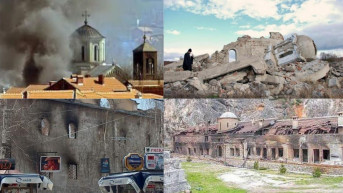
The Serbian Orthodox Church today, on the occasion of the 22nd anniversary of the March Pogrom of Serbs in Kosovo, recalled that during the destructive attacks by Albanian extremists, 4,012 Serbs were expelled, most of whom have not returned to their homes to this day, and that on that day they particularly targeted Serbian Orthodox holy sites.
“In the wave of violence in Kosovo and Metohija, 19 people were killed, including eight Serbs, while 11 Albanians died in clashes with members of international security forces. At least 170 Serbs were injured, as well as dozens of members of international forces who clashed with local Albanians while protecting Serbs and their property. Around 800 Serbian houses were destroyed, and 35 religious buildings were set on fire, including 18 cultural monuments, among them the Church of the Our Lady of Ljevis,” the SOC statement says.
It is emphasized that this church is one of the most representative monuments of medieval Serbia, an episcopal center of the Serbian Church in the Middle Ages, and that it acquired its monumental form during the reign of King Milutin (1282-1321).
“The church has been partially restored, and the first liturgy in it was served six years later, but the traces of devastation and fire have not been removed. The building was placed on the list of monuments under UNESCO protection in 2006,” the statement adds.
It is noted that extremists particularly targeted Serbian Orthodox holy sites, destroying 35 churches and monasteries, and that in “those unprecedented acts of vandalism, some of which were broadcast live on local Kosovo television stations (such as in Podujevo), numerous icons and immovable cultural assets that had survived for centuries, including the Ottoman occupation and world wars, were permanently destroyed.”
“That date, March 17, 2004, was especially painful for the Serbian people and their Church because all of this happened not during wartime chaos, but in the presence of several thousand members of international peacekeeping forces KFOR, the Kosovo Police, and UNMIK, none of whom publicly took responsibility for numerous failures. The March events in Kosovo and Metohija were condemned by the United Nations Security Council as well as the European Union, and on April 29, 2004, the Parliamentary Assembly of the Council of Europe adopted a resolution,” the statement adds.
0 comments