
Stanic: Ban on Serbian goods import to Kosovo harms the entire region
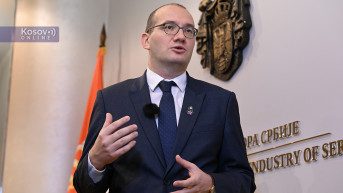
Bojan Stanic, Assistant Director of the Strategic Analysis Sector at the Serbian Chamber of Commerce, states that the blockade of Serbian goods import to Kosovo, which has been ongoing for five months, is causing harm not only to Kosovo and Serbia but also to the entire region. Regarding the damage suffered by Serbian companies that market their products in Kosovo, Stanic estimates it to be around 100 million euros.
"The Serbian Chamber of Commerce constantly warns not only the governments in the region but also colleagues in Brussels that political risk is what most jeopardizes the business environment in the country. When we look at foreign investors coming here, they are most interested in the political situation in the region. Therefore, this unilateral decision by Pristina absolutely cannot be viewed rationally because it jeopardizes the economy not only of Kosovo and Metohija but also of Serbia and the region in general, as it creates a perception of instability in the public eye," Stanic says for Kosovo Online.
As he points out, the Chamber of Commerce has been sending warnings and initiatives through contacts in Brussels to resolve this situation.
"However, it is not clear to us why the EU, which is the mediator in the negotiations between Belgrade and Pristina, is not reacting because this is a violation not only of the CEFTA agreement of which Pristina is a member, but it also violates the Berlin Process initiative, which aims to establish a unified regional market. Thirdly, it certainly complicates the official negotiations between Belgrade and Pristina," Stanic emphasizes.
He reminds that the government in Pristina has gradually lifted certain restrictions over time, for example, on raw materials from Serbia and semi-finished products used by their processing industry, however, it has maintained the ban on final products sold in retail outlets.
"This, of course, mostly affects consumers in Kosovo and Metohija who now have to buy goods that are non-competitive compared to those imported from Serbia," our interlocutor notes.
When asked if the ban on the import of goods from Serbia could be a permanent decision by Pristina, Stanic says it is "difficult to be so."
"It is unlikely that such a scenario will occur for the reason that we have had similar cases before, such as the quasi-blockade with the introduction of taxes by the Pristina authorities and informal campaigns to boycott goods from Serbia. It should be borne in mind that, in addition to the harm occurring in Kosovo, Serbian companies placing their products there also suffer damage, estimated at around 100 million euros since the beginning of the blockade in mid-June this year. Primarily, the food industry, the production of non-alcoholic beverages, and the industry of other everyday products suffer the most significant damage," Stanic states.



0 comments