
Stiplija: German envoy is a frequent guest in Pristina to unlock the dialogue stalled by Kurti
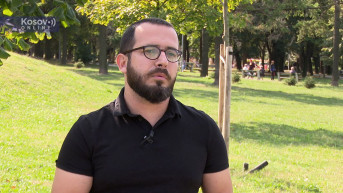
Nemanja Todorovic Stiplija, the Director of the Center for Contemporary Politics and editor of the European Western Balkans portal, assessed for Kosovo Online that the frequent visits of the German Special Envoy for the Balkans, Manuel Sarrazin, to Kosovo are aimed at exerting pressure to unlock the dialogue between Belgrade and Pristina.
Sarrazin was the only special envoy, appointed by leading EU member states for the region, who came to Kosovo twice after the events in Banjska on September 24. The German envoy arrived in Pristina immediately after the Banjska events on September 25 and then again several days later, on October 1. On both occasions, he met with Kosovo Prime Minister Albin Kurti, who, during his meeting with the German diplomat, called for severe sanctions against Serbia due to the events in Banjska.
"The involvement of EU member states in the negotiations between Belgrade and Pristina, primarily France and Germany, is a mechanism that can help unlock the dialogue, primarily by Kosovo," Todorovic Stiplija says.
He adds that anyone following the dialogue can see that the process has stagnated since the current Prime Minister of Kosovo, Albin Kurti, came to power.
"Since then, the dialogue has been in crisis, and Kurti does not understand that the implementation of agreements also entails everything that previous governments of Kosovo have signed. So, I believe that greater involvement and more frequent visits by representatives, primarily from Germany and then from France, will exert more pressure on both Belgrade and Pristina to implement what has been agreed," he says.
He emphasizes that it is "noticeable that Miroslav Lajcak, as a mediator in the dialogue, did not have the mechanisms to pressure Kosovo and Serbia to implement what has been agreed."
0 comments