
Surlic: Envoys for the Western Balkans have more of a technocratic role than a political function
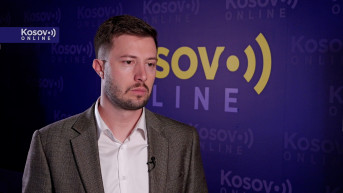
Assistant Professor at the Faculty of Political Sciences in Belgrade, Stefan Surlic, told Kosovo Online that the appointment of special envoys for the Western Balkans in European countries has become a kind of trend, as the region is seen both as the European Union’s backyard and as a geopolitical bargaining chip, given the discussions about the influence of Russia, China, and the United States, and the need for constant political and diplomatic vigilance over the region.
As Surlic emphasizes, envoys do not have a real political function but rather a more technocratic and diplomatic role. He also notes that these positions are often given either to individuals nearing the end of their careers, as a sort of consolation prize, or during transitional periods while waiting for a better post.
“We are mostly talking about personal diplomatic ambitions and fulfilling a desire for attention and a sense of importance, rather than any real ability to effect change, especially in the current complete standstill in the normalization of relations between Belgrade and Pristina, and the lack of progress in resolving all the open bilateral disputes. In the end, when progress has been made, it has primarily been due to the active involvement at the highest levels, that is, European leaders, the American leader, and their closest advisors. They are the ones who have shaped the processes. Remember the Quint that came to Belgrade, those were the top advisors to European leaders. That is how solutions are offered today, while envoys play more of a technocratic and diplomatic role, a combination that ultimately doesn’t bring about any real change,” Surlic concludes.



0 comments