
Velebit: The US recognizes Serbia as a partner
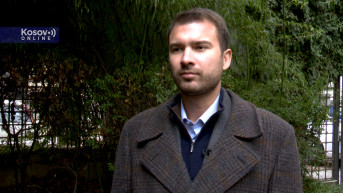
Executive Director of the Pupin Initiative, Vuk Velebit, stated that the US recognizes Serbia as a partner and that, despite numerous challenges, Serbia still has better relations with the current administration than with the previous one.
“When you look at these years with numerous challenges, including sanctions on NIS and tariffs, and when you look at meetings at the bilateral level, at the highest level, the situation is far better than it was with the previous administration. That is, two meetings with the Secretary of State compared to the Biden administration, when there were no meetings at all, shows that there is understanding and that Serbia is recognized as a partner,” Velebit said while appearing on RTS.
When it comes to the adopted Authorization Act, he does not see any significant changes.
“I think there is a misunderstanding in our public about what is happening in Washington. In the part related to the Western Balkans, we do not see anything new – there is mention of reducing Russian and Chinese influence, energy diversification, and stability, which has been part of US policy for years,” Vuk Velebit points out.
He says that indications of changes in the US strategy toward the region can be seen. He notes that there are already projects that have been agreed upon, or are being discussed between the Serbian and American sides, which will be activated next year.
“These are major projects that include large investments in Serbia. Another issue is Bosnia and Herzegovina. We see an evident change in the US approach in Bosnia and Herzegovina, where there is an intention to work more with Banja Luka, and where the concept of nation-building that existed for decades is being abandoned. At the same time as the opening of a strategic dialogue with Serbia, we see the termination, or suspension, of the strategic dialogue with Kosovo. So there is an understanding and recognition of the importance of Serbia’s geographic position as the largest country in the region, where America is aware that if it wants to pursue its interests in the region, namely stability, prosperity, and a reduction of Russian influence in the energy sector, the most effective way to do so is through cooperation with Serbia,” Velebit said.
The issue of NIS fits into the US approach to reducing Russian influence here, Velebit said, reminding that sanctions were postponed for months, which shows goodwill on the part of the US toward Serbia and leaves room to resolve the NIS issue.
Room for balancing is narrowing – strengthening ties with Washington has its price
Serbia’s policy based on four pillars was possible in the past, but since the start of the war in Ukraine it has become increasingly difficult.
“Since the war in Ukraine, it has become clear how difficult it is to pursue a balancing policy. If you want stronger relations with Washington, that has its price, but the question is where Serbia’s long-term interests lie,” Vuk Velebit notes.
Although Serbia has been without a US ambassador for almost a year, the adoption of the US National Defense Authorization Act and announcements of a new strategy for the Western Balkans raise the question of whether this indicates marginalization or a different model of US engagement.
“The absence of an ambassador indicates that the Balkans are simply not a priority compared to Ukraine, Gaza, China, and relations within the EU, but it does not point to a fundamental change in the US position toward the region,” Mijat Kostic from New Third Way said.
There is nothing new in the defense act – it represents continuity in US policy.


0 comments