
Vujinovic: Self-Determination’s next move—how to keep Haxhiu as Acting President after October 4
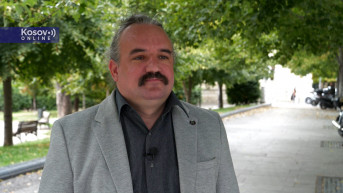
Security studies researcher Nikola Vujinovic assessed that the Self-Determination Movement would use a series of maneuvers to try to delay the election of the President in order to “buy time” until possible elections in December. He said Albin Kurti’s party’s next step would be to find a way for Albulena Haxhiu to remain Acting President after October 4 so that someone from their ranks could call elections at a time that suited them.
Vujinovic explained that the constitution of the Assembly and formation of the Kosovo Government on September 13 had not brought the issue of elections to a close.
“This is merely an interim phase. Self-Determination’s next step is to find a way for Albulena Haxhiu to remain Acting President after October 4, because her temporary mandate expires then and, from what I have seen in the constitution of so-called Kosovo, it is unclear what happens the following day. Self-Determination’s position is that, on October 5, the current Speaker of Parliament becomes Acting President of Kosovo. All of Self-Determination’s steps and maneuvers aimed at bringing about elections in late December are geared toward delaying the election of the President until they reach the 45-day period before the elections, allowing them to call them. In addition, the objective is for the Acting President to be someone from their ranks who will call elections when they want them,” Vujinovic said.
He added that the judgment against Thaci and the other KLA leaders represented a problem, given the enormous support for Thaci among the diaspora following the judgment.
“The main reason why elections are being sought in December is the arrival of the diaspora, nearly 80 percent of whom voted for Albin Kurti. Whether that will still be the case is a question for Self-Determination and its supporters abroad, and we will see how much depends on it. If it is confirmed that there has been a decline in support, they will reach an agreement on the President. If it turns out that things stand as expected and that they can seek absolute power at all levels, which is Kurti’s goal, then they will go to elections. But we will only see that once the Constitutional Court decides what actually happened over the past month,” Vujinovic explained.
Asked whether he expected Kurti’s victory to be equally certain this time, Vujinovic assessed that Kurti would win, but not as convincingly.
“Yes, he would win, but not in the way he wants—not absolutely. I think he would win with a smaller percentage than in June, and certainly with a smaller percentage than in December last year,” Vujinovic said.
He also explained that, because of the Hague judgment, Self-Determination and Kurti were under considerable pressure from other political actors in Kosovo, who accused them of having contributed to the outcome through their actions.
“It is being emphasized that Kurti never visited those who were then defendants and are now convicted persons. Since we cannot be certain that the Appeals Panel will act by the end of the year, while everyone expects them to be acquitted, I believe Kurti will receive considerably fewer votes in the next elections, and we will once again have what we have had for the past two years—negotiations over the institutions and an inability to reach an agreement,” Vujinovic concluded.


comments