
Zecevic: The balanced proposal for CSM is the one from 2013, it is possible that what the EU is offering now is favorable to Pristina
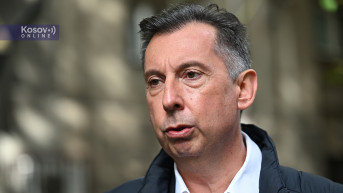
Professor Dr. Slobodan Zecevic, a scientific advisor at the Institute for European Studies, points out that the balanced proposal for the Community of Serb Municipalities was the fundamental agreement on CSM from 2013, and he emphasizes that Serbia then gave up many things in northern Kosovo in favor of Pristina's institutions and, in return, gained the possibility of forming the CSM with significant powers.
Zecevic says for Kosovo Online that what the EU is currently presenting as a balanced draft statute for the Community of Serb Municipalities, considering that European institutions are influenced by the United States, which has recognized Kosovo's independence, as well as by France and Germany, which also recognize Kosovo as independent, may meet Pristina's demands.
He notes that it is difficult to discuss a document that hasn't been revealed yet and that conclusions can now be drawn from the statements of EU officials and Kosovo institutions, and maybe some statements from Serbian state representatives.
According to Zecevic, the EU is facing several problems, with the first being that they are contradicting their original document.
"In the Franco-German plan from February of this year, it was stated that the agreements that were previously in effect would be implemented. The Brussels Agreement is something that was concluded earlier and should be implemented. But now they are saying we have a new, balanced proposal that will suit both sides. This means that we can conclude that the original agreement on CSM is no longer valid, that they have revised that agreement and created something else, and that they are in contradiction with their original document, which they insisted on in February of this year," Zecevic explains.
As he says, another potential problem is that Kosovo Prime Minister Albin Kurti has always linked the formation of the CSM with mutual recognition and full normalization of relations, which he still insists on.
"It's questionable how operational all of this will be since Albin Kurti himself says, 'but without mutual recognition, we won't implement anything,'" he points out.
Zecevic adds that there are many unknowns, including whether Pristina will implement what has been agreed, what the agreement is, whether it is acceptable to Belgrade, and whether it deviates too much from what was signed in Brussels in 2013.
"Of course, all of this will become clearer when the document prepared by the EU is released," Zecevic concludes.


0 comments