
Zecevic: The new German government will remain interested in the Western Balkans and EU enlargement
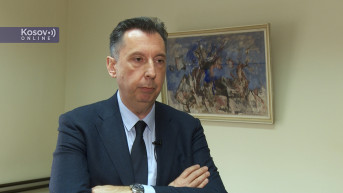
The new German government will maintain its interest in the Western Balkans, particularly in Serbia, which is Germany’s main economic partner in the region, Slobodan Zecevic, Director of the Institute for European Studies, said, commenting on the victory of the conservative CDU/CSU coalition, led by Friedrich Merz, in the German parliamentary elections.
Zecevic emphasized that the region will not be neglected or sidelined, despite Germany facing numerous challenges, both domestically and in terms of its positioning within new geopolitical circumstances.
Germany, he stressed, will remain committed to the EU enlargement policy and economic cooperation with countries in the region.
"The new German government will be very interested in the Western Balkans and Serbia. Serbia is Germany’s key economic partner in this region, and Germany is Serbia’s. Therefore, they will undoubtedly remain engaged. They support EU enlargement, as it opens new markets for them. Germany is an export-oriented country with a strong economy, though currently in a crisis, having been in recession for two years. However, they are still interested in nearby markets. So, they will certainly be focused on Serbia and the EU enlargement policy. The government has not yet been formed, and Merz, as a potential chancellor, is currently focused on Europe's key crisis areas, but once the government is in place, they will not overlook this region and the issue of enlargement," Zecevic told Kosovo Online.
Regarding the new German government's stance on the Belgrade–Pristina dialogue, Zecevic noted that it remains unclear whether Germany’s Special Envoy for the Western Balkans, Manuel Sarrazin, will remain in his position or if Germany will propose a new approach.
He believes that Germany will leave the issue of Kosovo and the dialogue to the EU as the mediator and to the US.
"It is still too early to make predictions, as the government has not yet been formed. Anything is possible, whether they will keep the same envoy or replace him, we’ll see. I don’t see that the German envoy has significantly influenced the process so far. Everything has been in Lajcak’s hands, and even he has not managed to bring about major changes, particularly in implementing the 2013 Brussels Agreement," Zecevic concluded.

0 comments