
Zecevic: A solution to the Kosovo issue by the end of the year is possible only with the implementation of the Brussels Agreement
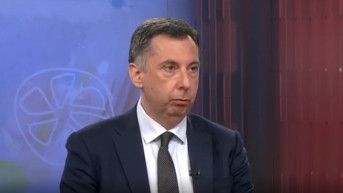
Slobodan Zecevic, a scientific advisor at the Institute for European Studies, stated that it would be realistic to resolve the Kosovo issue by the end of the year only if the Brussels Agreement and everything agreed upon in 2013 were implemented, according to RTV.
Zecevic said that if elections were held and the CSM was formed in line with what was agreed upon in 2013, and if the special units of the Kosovo Police left Serbian municipalities, then significant progress could be made in resolving the Kosovo crisis by the end of this year.
"Whether Lajcak really means what the EU claimed until a few days ago, and now we don't know if they stand behind that de-escalation plan or not, we will see in the coming period because there are various twists from week to week, twists in the EU's stance and the US's stance towards this issue," he stated.
Zecevic explains that Western countries have not been able to reason with Kosovo Prime Minister Albin Kurti because they see Kosovo's independence as their project and believe they should persist in the idea of Kosovo becoming an internationally recognized state, while anyone who disrupts that project, namely the Serbs in Kosovo, should be brought under control.
He notes that the very project of Kosovo's independence is problematic because it not only takes away a part of Serbia's territory but also because Kosovo has no perspective as an independent state. According to Zecevic, even if it were separated from Serbia, it would eventually unite with Albania.
Considering Kurti's positions, Zecevic believes that a meeting between Serbian President Aleksandar Vučić, EU High Representative for Foreign Affairs and Security Policy Josep Borrell, and the Kosovo Prime Minister would not bring about significant changes, except for the West's stance towards Kurti, potentially leading to tougher relations and economic sanctions against the government in Pristina. This would require the Albanian public to consider whether Kurti is truly pursuing a good policy for Albanians in Kosovo.
"As long as there are no serious sanctions against the Albanian authorities in Kosovo, these meetings amount to conversations between deaf ears," Zecevic concluded.



0 comments