
Lazarovska: The number of homeless people in North Macedonia is rising, with the biggest increase during the coronavirus pandemic
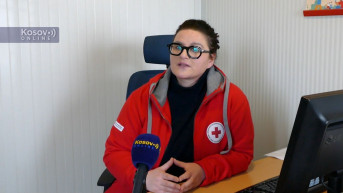
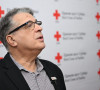
Homelessness is taking on galloping proportions in North Macedonia as well, and it increased the most during the coronavirus pandemic, Dragana Lazarovska, coordinator of the Day Care Center in Momin Potok, told Kosovo Online. She added that about 80 percent of the Center’s users are men.
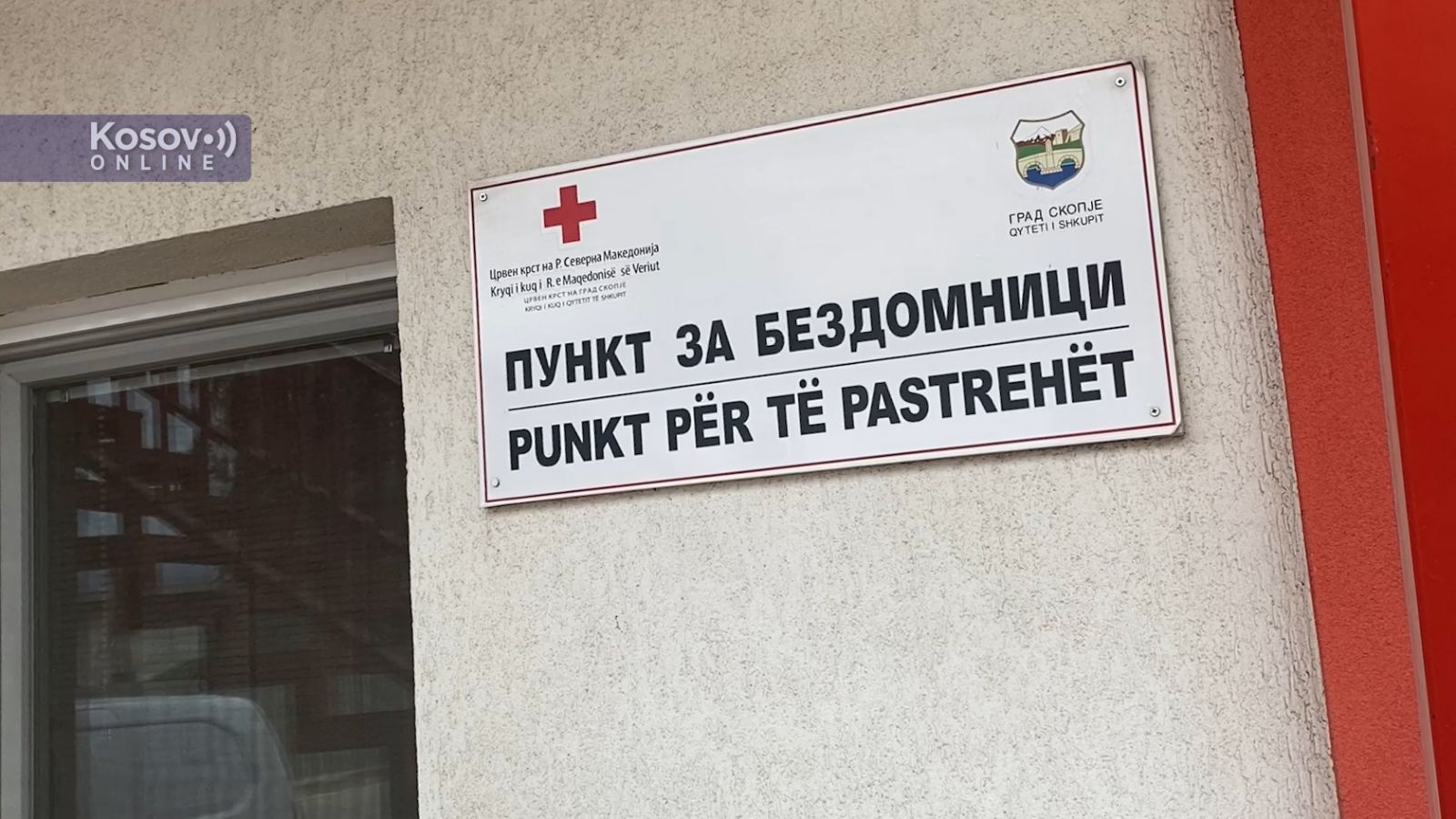
The Day Care Center of the Red Cross in Momin Potok in Skopje, opened in 2008, has been providing support for those who have lost their homes and basic living resources for 18 years. Poverty in North Macedonia, as well as in the wider region, particularly affects the most vulnerable categories of citizens – the homeless.
“The goal is to address all the problems that arise during their lives. Over the past 18 years, the structure shows that the number has been increasing year by year. I can say chronologically that in 2008, when it opened, it was a point for the homeless. That is why I now say day care center, because a year ago we were licensed and, with the support of the Ministry of Social Policy, Demography and Youth, the name was changed,” Lazarovska says.
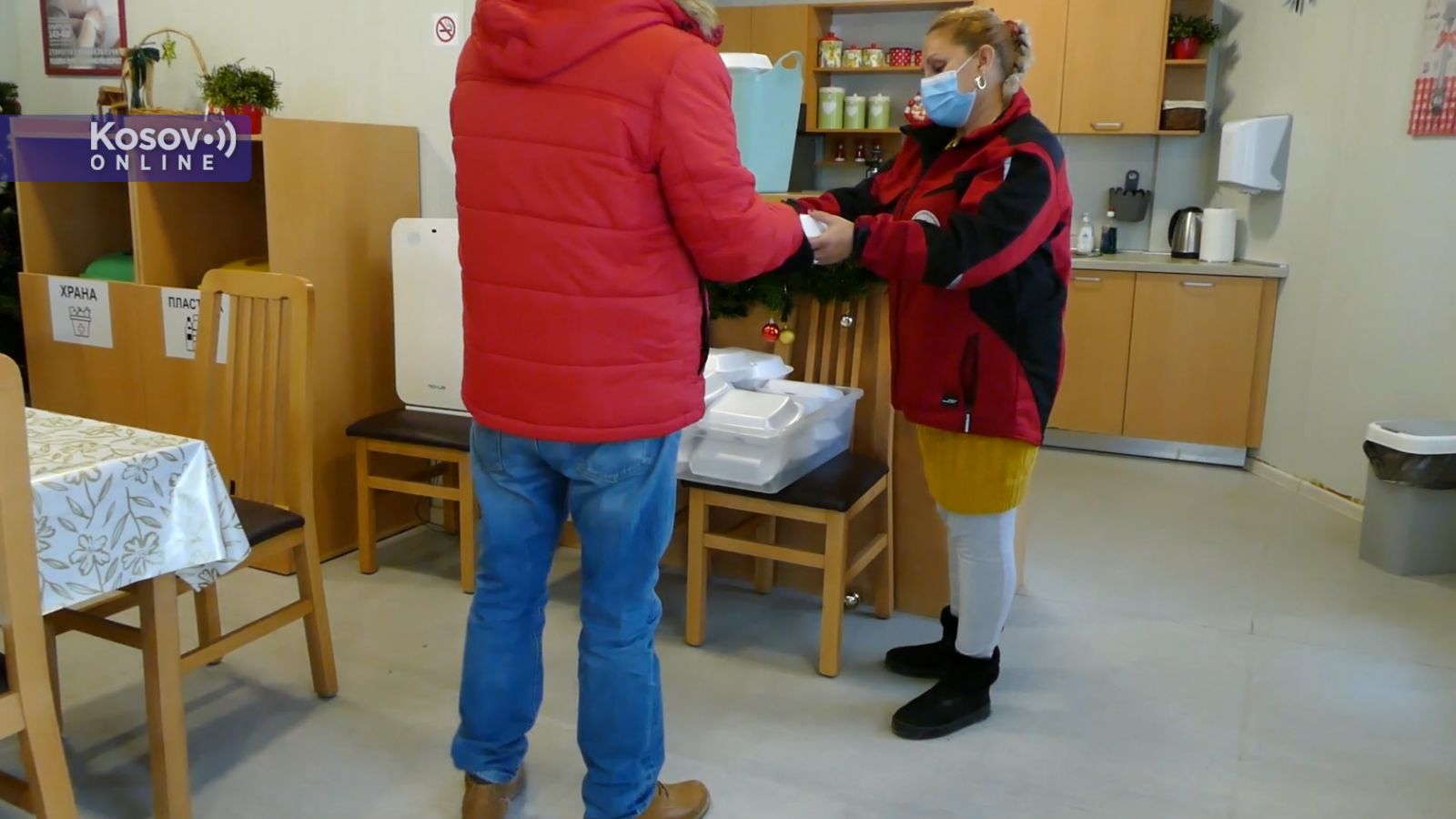
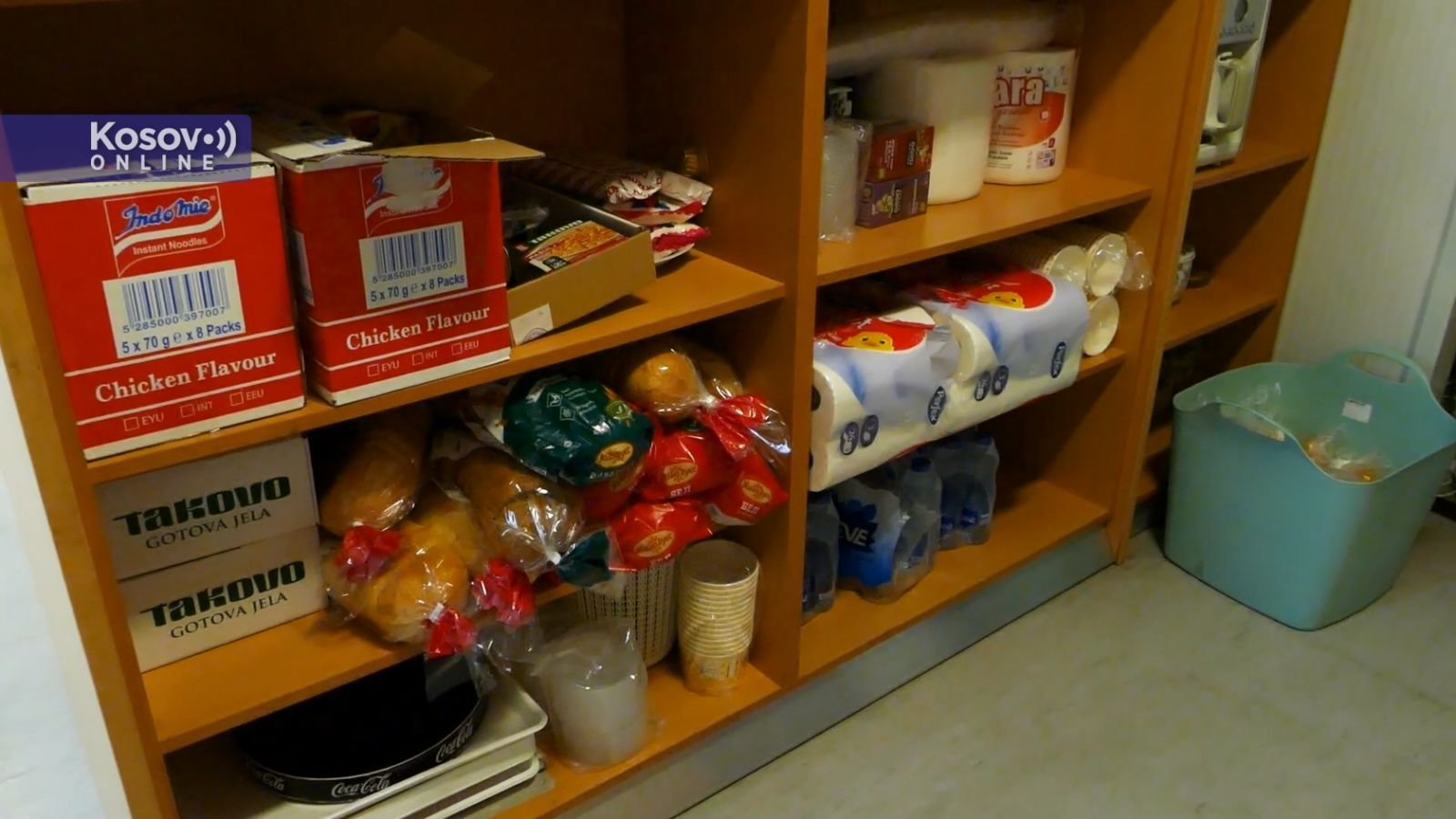
At the Day Care Center, homeless people receive a wide range of services, from food and clothing to health and psychological assistance.
“This means that a range of service provisions is offered at the Day Care Center for homeless persons. Clean clothing is provided. Dirty clothes are left and washed, and they also have access to services such as bathing. They receive treatment for scabies and lice. There is staff or a professional team, such as a doctor, a social worker, and a psychologist, who provide the necessary help and support in resolving and addressing all their health, social, legal, and psychological problems,” our interlocutor explains.
She emphasizes that the number of users is continuously increasing.
“The structure in 2008, when the homeless point opened, included about ten people, by 2012 the number rose to 50, in 2017 to around 100, and from the emergence of coronavirus in 2019 to today another 50 homeless people have arrived. We currently count 160,” Lazarovska warns.
The epidemic, she notes, further worsened the situation because many citizens lost their jobs and fell into homelessness.
“These new 50 homeless people were, like all other citizens, individuals who were employed, useful, productive, took care of their own lives, earned income, could pay rent, and maintain a household. However, with the loss and closure of many jobs during the three years of coronavirus, this directly affected certain categories of potential homeless people who, from being normal, happy individuals with families and established relationships, simply lose their jobs and from there things go downhill, so they seek help at the center. Homelessness as a sociopathological phenomenon is taking on galloping proportions and increased the most with coronavirus,” she says.
Most users are, she explains, men aged between 50 and 55.
“Homelessness is globally primarily a male problem, and men also dominate here. Of the total number, about 80 percent are men, 120 to 130 people, while the remaining 30 to 40 are women. These are individuals who have lost all ties with their closest relatives. Even if families exist, those relationships are shaken, cold, or non-existent. These are people primarily of an addictive nature. Common triggers are gambling, alcohol, and drugs. Among the female population, prostitution also dominates to a certain extent. There are also people with mental illnesses who were often hospitalized but, for some reason, were released and have nowhere to go, so they seek help at the Red Cross. I regret that the number increases every year, but the Red Cross has a professional team and resources to help these people whom we have been serving for 18 years,” Lazarovska explains.
One of the biggest challenges in providing assistance to the homeless is, as she says, the lack of systemic resources.
“Homelessness exists in every society. Worldwide, there are 100 million homeless people, which would be the tenth largest country by population. North Macedonia is not immune, and the number is rising due to the unavailability of social and structural resources in the country. However, in recent years more actions for this group have begun to be implemented,” she says.
Still, she adds, state policies are not yet sufficiently developed.
“We do not have good national policies for social housing. Resources for free health services are also lacking. Among the homeless, cardiological, pulmonary, and dermatological problems dominate, and a large number suffer from tuberculosis and epilepsy. The Red Cross uses its own funds for their treatment because they are inherently discriminated against,” our interlocutor notes.


She points out that the Center also assesses who is ready for the labor market and provides opportunities for additional training and retraining.
“Over the past 18 years, with our support, 20 homeless people have been successfully employed in socially responsible companies. They now earn an honest living, have been promoted, and pay rent so they do not end up on the street,” Lazarovska emphasizes.
Lazarovska notes that in addition to basic life necessities, homeless people also need stability, education, and social inclusion.
“What they lack the most is a roof over their heads, even if it is just a 15-square-meter room where they would be safe. Then they need employment as a stepping stone, as well as adult education. They need food, footwear, clothing, medicines, and hygiene supplies. Free medical checkups and prophylaxis should be introduced. Early detection of illnesses is crucial. Also, homeless people should be included in working groups that make decisions about them. Their ‘top three’ list of needs is: a warm home, employment, and inclusion in social decision-making,” she says, appealing to citizens and companies to donate, especially medications, because the costs are high and the population is very ill.


0 comments