
Anniversary of the Pogrom Against Serbs in Kosovo: Life Among the Ruins
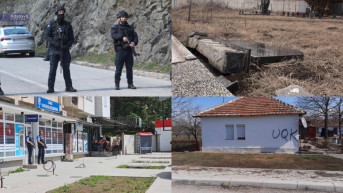
Serbs in Kosovo have grown accustomed to protecting their lives, property, sanctities, and even their tragedies because they know that otherwise, everything will be taken from them, destroyed, and burned, while the perpetrators of crimes will remain unpunished. On March 17, we visited Lipljan, Caglavica, and Kosovo Polje—places that, on this day in 2004, suffered terror, violence, and casualties, yet from which Serbs still declare that they have survived, and that is all that matters.
On this day 21 years ago, a three-day pogrom against Serbs in Kosovo began. The immediate trigger was a report by Radio Television of Kosovo claiming that Serbs were allegedly responsible for the drowning of three Albanian boys from the village of Cabra in the Ibar River, in northern Kosovo, on March 16, 2004—an allegation that was soon refuted by UNMIK.
The violence by Albanians against Serbs and Serbian property began in northern Kosovo, in North Mitrovica, and then spread to Caglavica, Pristina, Podujevo, Vucitrn, Istok, Djakovica, Lipljan, Urosevac, Vitina, Suva Reka, Obilic, Prizren, Gnjilane, Kosovska Kamenica, Pec...
During the pogrom that lasted on March 17, 18, and 19, eight Serbs were killed, at least 170 were injured, and more than 4,000 were expelled. Around 900 Serbian houses were destroyed, and 35 religious sites were set on fire, including 18 cultural monuments. Numerous icons and immovable cultural treasures were permanently lost. Several locations were ethnically cleansed.
In clashes with international security forces, 11 Albanians also lost their lives. Dozens of international force members were injured in confrontations with local Albanians.
The pogrom on March 17, 18, and 19 unfolded in full view of thousands of international peacekeepers from KFOR and UNMIK.
For Serbs living in Kosovo, March is a month that brings painful memories—the start of the NATO bombing and the pogrom. But for those who lost family members, friends, neighbors, or property during those days, the beginning of spring is especially agonizing.
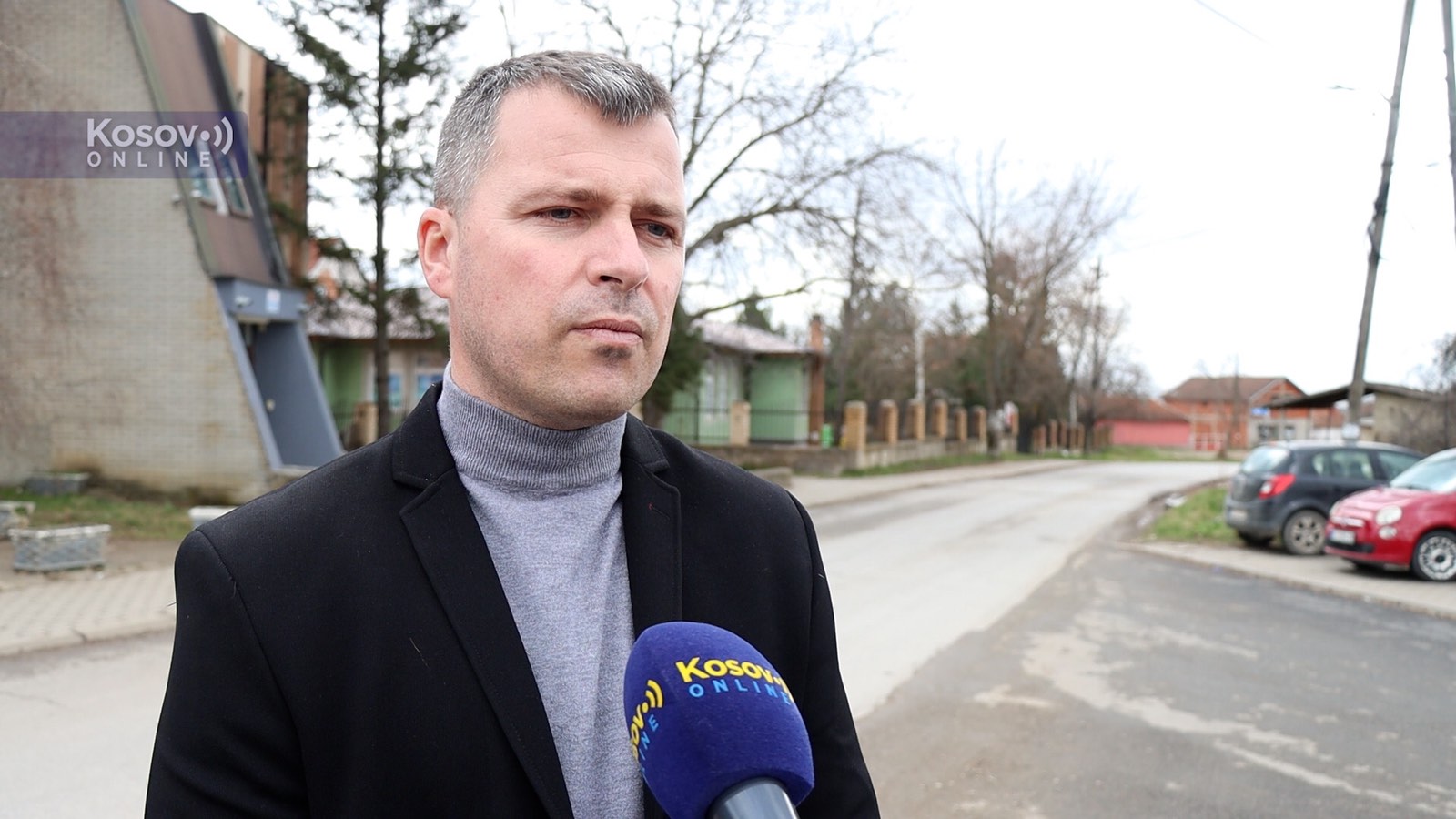
Zoran Simijonovic was in Lipljan with his family on March 17, as usual, unaware that by the next morning, his house would be burned down and that he, along with his wife, three small children, and parents, would be expelled from their home.
He says that even after 21 years, recalling those days remains deeply painful, describing March 17 as a reflection of events in Pristina.
"We were in the northern part of Lipljan, where most Serbs lived, under the protection of Finnish KFOR. At the beginning of our street, there was an armored vehicle permanently stationed on guard. Our house was in the middle of the street, and we didn’t notice anything unusual happening. It was around the afternoon, from 5 PM onwards. We heard some noises, but we thought we were safe. However, after some time, we heard a commotion in the street. My wife and I stepped outside, and what we saw was horrifying—the street was completely on fire. Our house was in the central part, and we saw the mob already entering. The street was packed with people setting everything on fire. They entered our yard. In the house with me were my wife, our three children—one five-year-old and two four-year-olds—my mother, and my father. I moved them further inside the house. Then, a bomb was thrown at us from the side since we were at an intersection—it exploded in our living room. Another married couple was with us. It was a nightmare; everything around us was burning, and we were trapped inside," Simijonovic recalls.
He says that UNMIK managed to evacuate his family and neighbors only on the third attempt.
"We simply had no way out. UNMIK police tried three times to get us out of the house—there were so many people, one group in Gracko, another at the intersection toward Novo Naselje. That day, our house wasn’t burned down, and that evening, they placed us in Suvi Do," he explains.
Simijonovic also remembers that KFOR did almost nothing to protect the people at that time.
"The next morning, at 3 AM, we got word that our house was being set on fire. Finnish KFOR had two bases, one in the center of Lipljan and another near Suvi Do. My wife and I walked to ask them for help. A soldier came out, and we told him, 'They're burning our house in the center.' He went back inside and returned, saying, 'Sorry, it’s not safe, we can’t help you.' To their great shame, they were supposedly there to protect and maintain order, but they simply ran away. What can I say about such an army, such an organization? Nothing but the worst. They told us, 'We can't help,' even though there were two contingents of them. We walked back and saw that KFOR was practically guarding the already burned houses. My wife managed to grab a few things through the window, and we walked back. We had a house, multiple buildings, a production facility—all of it was burned down. What wasn’t burned, they looted afterward. We moved several times, but we returned to Lipljan, and to this day, we are still here," Simijonovic says.
During the course of the pogrom in Lipljan, around 30 houses were set on fire, and there were attempts to destroy churches. The people of Lipljan have not recovered from the events of March 17 to this day.
"At that time, there were approximately 2,000 Serbs here; today, there are about 400. The numbers alone show how devastating this was for our people, and I don’t think we have recovered to this day. Those of us who remained, a very small number, remember these events, but we have not recovered. In a town where we were over 90% of the population, we have been reduced to an insignificant minority, so life is not easy for us," he says.
Among the first Serbian settlements south of the Ibar River to come under attack was Caglavica, located just a few kilometers from Pristina. There, just two days before the violence began, on March 15, Jovica Ivic, then a high school student, was wounded.
Ivic was shot five times on March 15, but after receiving medical assistance and undergoing an eight-hour surgery, he survived.
"The news spread quickly through the village. That same evening, practically, Jovica was returning from the store. There was no electricity at the time, and as he passed near the main road, a car stopped. I think he later said it was a red Golf Mark 3. They called him over under the pretense of asking for directions, and when he approached the vehicle, they shot him," said Caglavica resident Marko Markovic.
According to Markovic, March 17 began with a large protest by Serbs in Caglavica, who were outraged by the attempted murder of Jovica Ivic. They wanted to express their discontent with what was happening and put an end to crimes and killings. However, he states that the response to this protest was an attack by several thousand Albanian extremists coming from Pristina.
"As a result of these attacks, around ten houses in the village were burned. But the worst consequence of the March pogrom was that, after this event, nothing remained the same. People viewed the situation and their future in this region completely differently. They realized they were utterly alone, unprotected, and at any moment, they could suffer the same fate as their compatriots in 1999. In such circumstances, fear intensified and quickly led to both migration and the sale of land—first fields and meadows, and later houses as well. As a logical consequence of these events, we have the situation we see today," Markovic said.
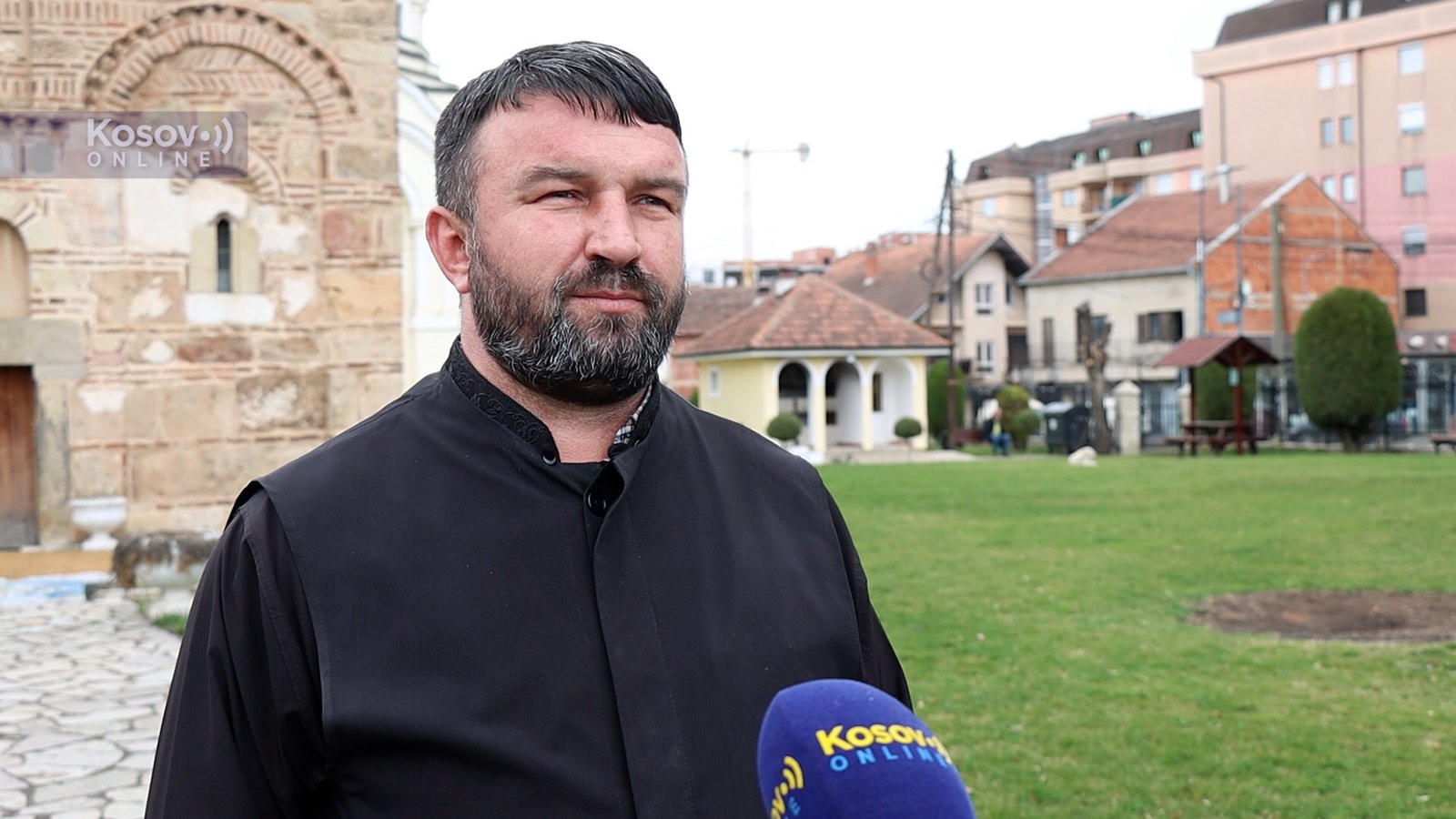
Priest Dragisa Jerinic was a parish priest in Kosovo Polje in 2004. He describes March 17 and 18 as a very difficult and painful story that many wish to forget.
"Living in Kosovo Polje at that time, once a small town with over 95% Serbian population, everything Serbian was destroyed within those two days. The Church of St. Nicholas in Kosovo Polje was burned, a Molotov cocktail was thrown at the Church of St. Catherine in Bresje, the health center was burned, as well as the elementary and high school, the high school center known as St. Sava, the post office, and part of the railway station where Serbs commuted to work in Zvecan and beyond," he stated.
For most Serbs who remained in Kosovo Polje after the NATO bombing, March 17 was decisive.
"For the Serbs who survived between 1999 and 2004, 76 families lost their homes completely in the March pogrom. A total of 132 Serbian-owned buildings were destroyed, along with all Serbian institutions. To this day, only the churches have been restored for worship, but not completely. For example, the Church of St. Nicholas in Kosovo Polje still bears traces of the fire—burned frescoes and icons," he recalled.
Priest Jerinic claims that the events of March 17 and 18 were long planned and organized "by most secret and intelligence services from Europe and America," with Albanians merely carrying out the execution.
"We who live here see this because no one has been held accountable for these crimes, nor for the people who were killed," he said.
He reminded that on March 17 in Kosovo Polje, Zlatko Trajkovic was burned alive.
"He and his wife were in a house where they worked, cleaning homes where UNMIK police officers had lived. As they were leaving, heading home, they were intercepted by a mob. His wife was beaten but managed to escape, while Zlatko was severely beaten, thrown into a ditch by the road, and set on fire. The fact that no one was held accountable for such a crime could only happen with the cooperation of those who ordered and organized it," said Father Dragisa.
During the pogrom, the priest noted that 35 religious sites across Kosovo were attacked, including the Church of Our Lady of Ljevis in Prizren, which is under UNESCO protection and still has not been fully restored.
"If there had been the will or even a little wisdom, many things could have been organized and repaired. But those who orchestrated this wanted us to disappear from here. They did not succeed in their goal because we know that God is on our side, and only through faith in God, respect for His saints, and uniting our efforts can we slowly organize and live with dignity. It takes a lot of strength and willpower, but if we know what we are preserving, what our duty and obligation are—since we inherited these lands from our holy ancestors, the Nemanjic dynasty, who built so much in Kosovo and Metohija—we can persevere. They sacrificed much to build these sacred places, where we gather to pray and protect both our heritage and our lives here with dignity," the priest emphasized.
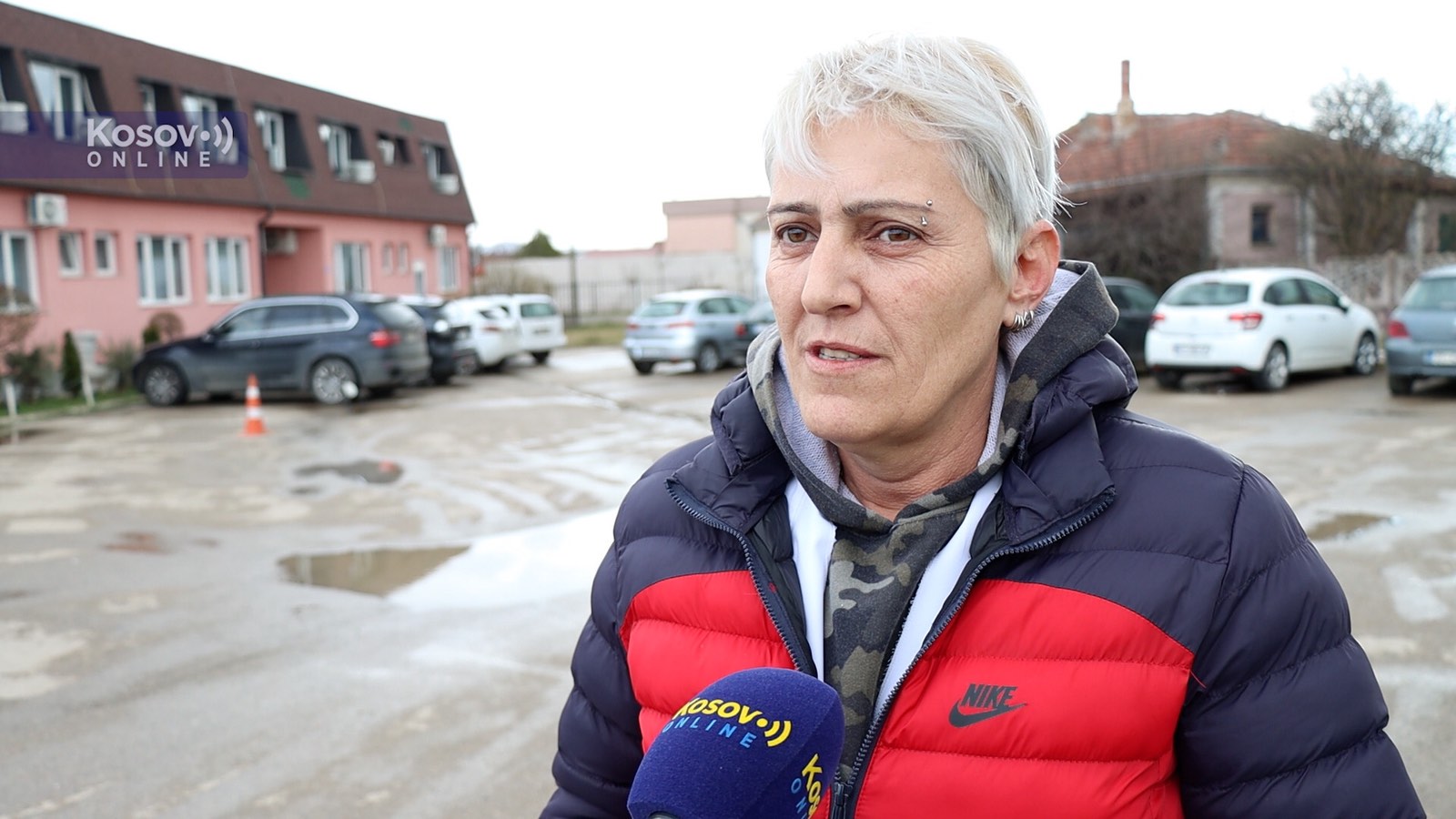
Mirjana Markovic from Kosovo Polje, who still lives there with a small number of Serbs in the Masinski Park neighborhood, described the events of that day as terrifying.
"It was horrifying—a mass of people advancing, burning, demolishing, and destroying everything in its path. My child was nine years old. You don't know whether to save your child or your own life. My elderly mother was in one part of Kosovo Polje, while we were in another. We passed through that enraged mob with the child and reached Ugljare. My mother was thrown out of her apartment onto the street a few hours later—after 40 years of building everything she had, she left with just one bag. Thank God, we survived, which is the most important thing," said Markovic.
She recalled that the violence in Kosovo Polje began around noon.
"A former colleague was shot at while heading towards Kuzmin, and as time passed, around 2:30 PM, when we were already on our way home, the school caught fire, then the health center, and then houses, one by one. They had no respect for the elderly, children—anyone. They were ruthless," she said.
There was no protection from the Kosovo Police or KFOR, Markovic claimed.
"At no point did anyone protect us. The KPS police, who were supposedly forming a cordon to prevent the attack on the health center, were practically embracing the people in the crowd, the hooligans and murderers. KFOR showed up two days later, specifically in Masinski Park. Whether it was a planned scenario, an agreement, or something else, only they know, and they will have to bear that on their conscience," she said.
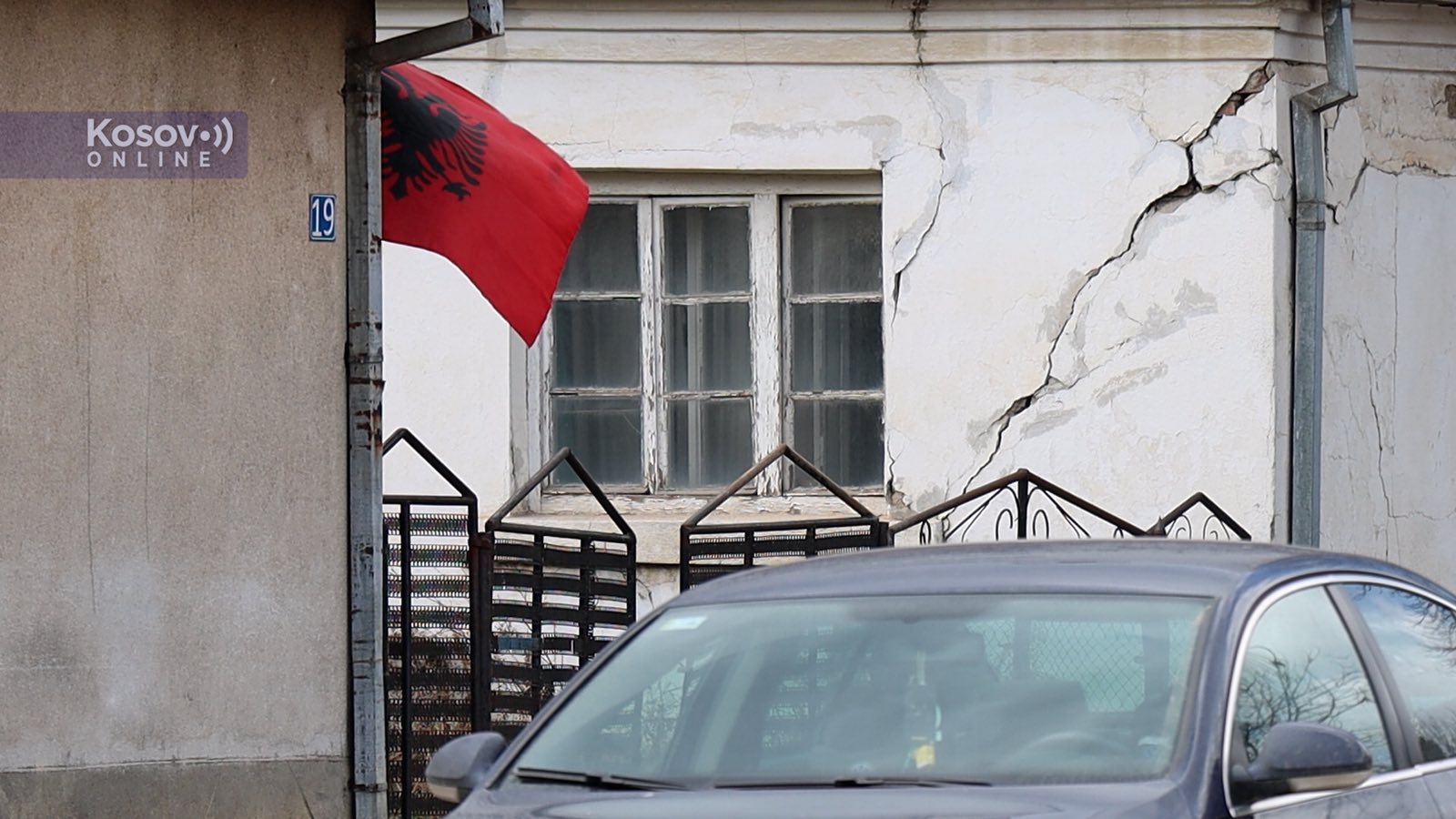
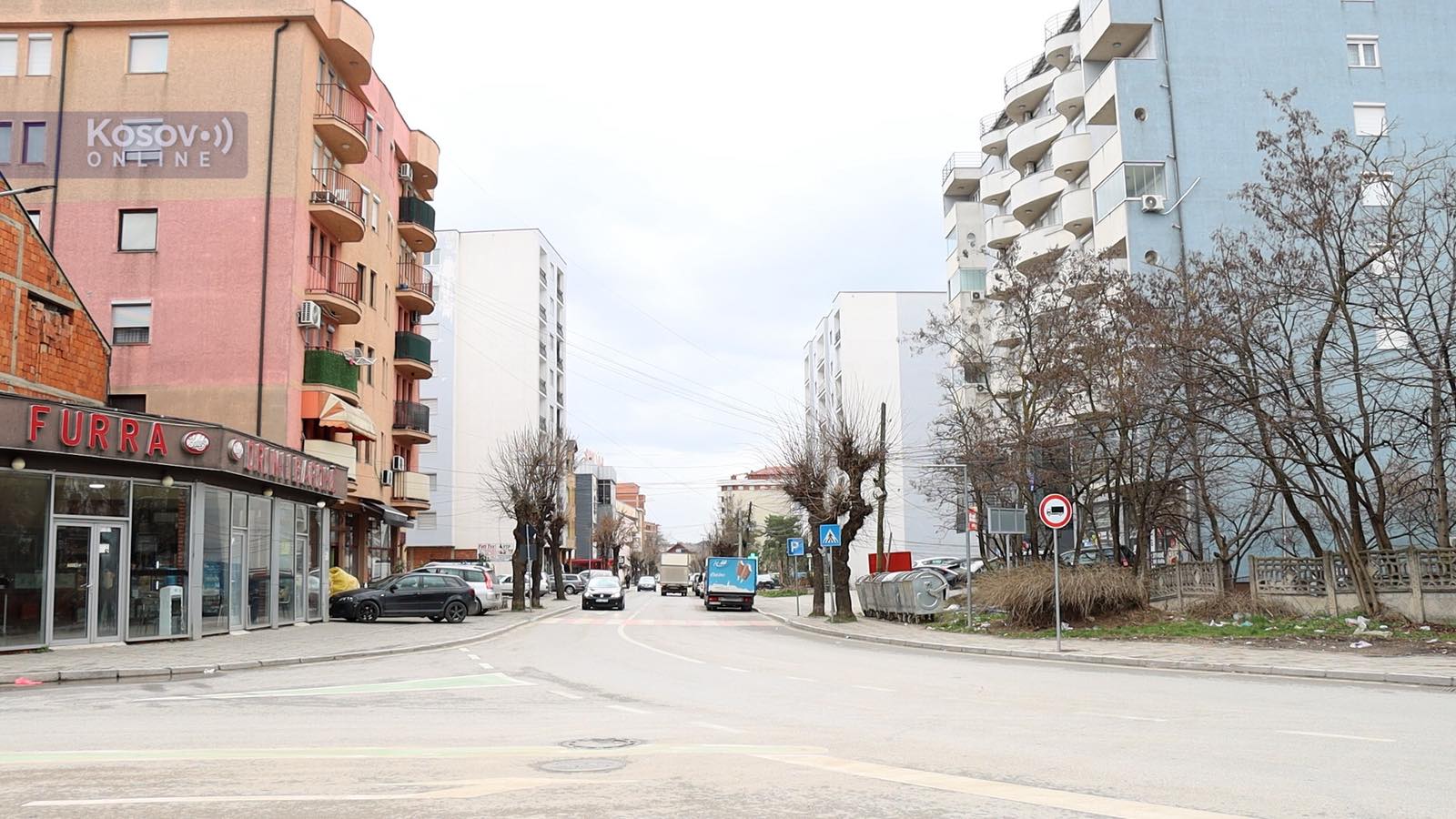
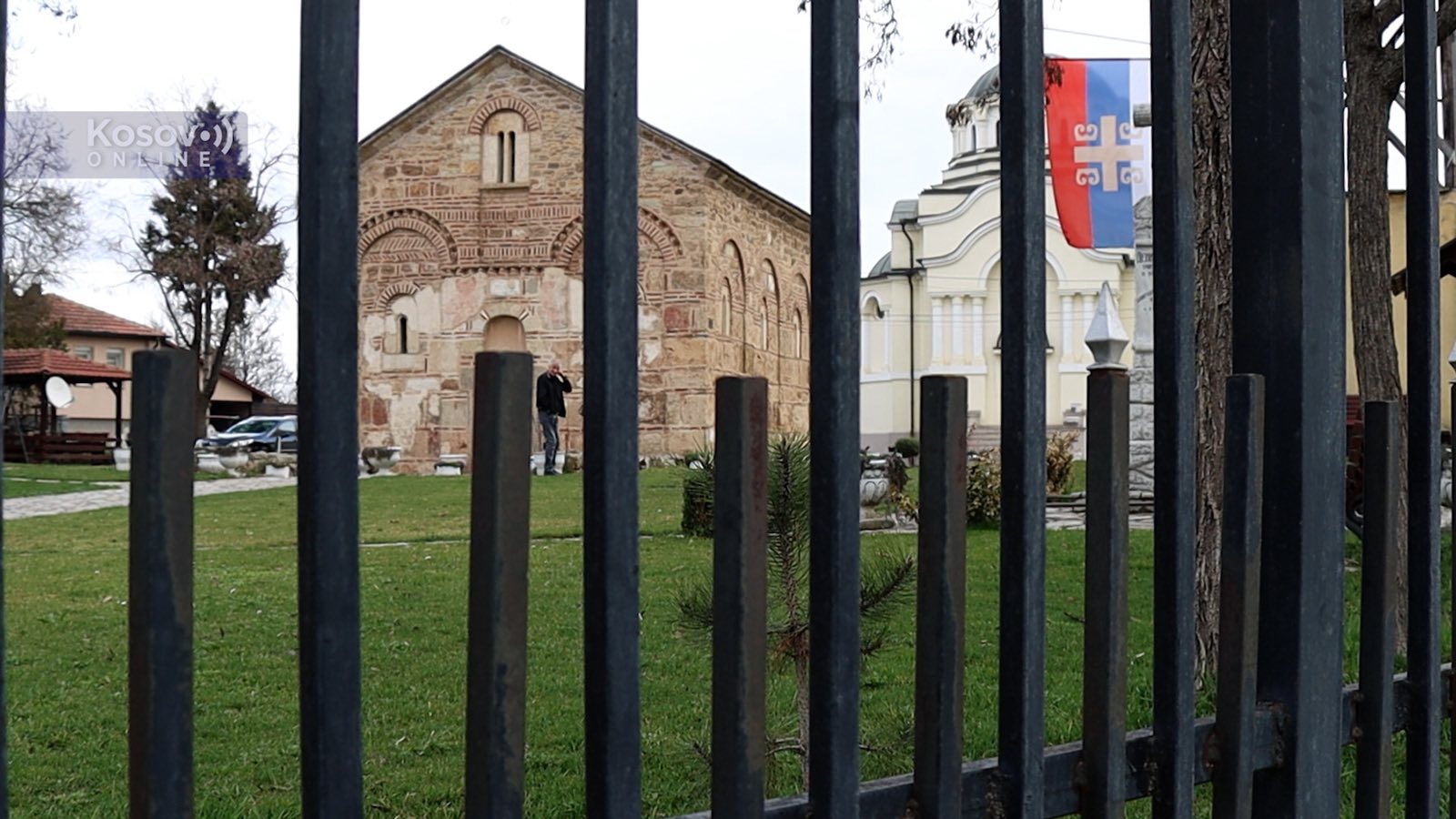
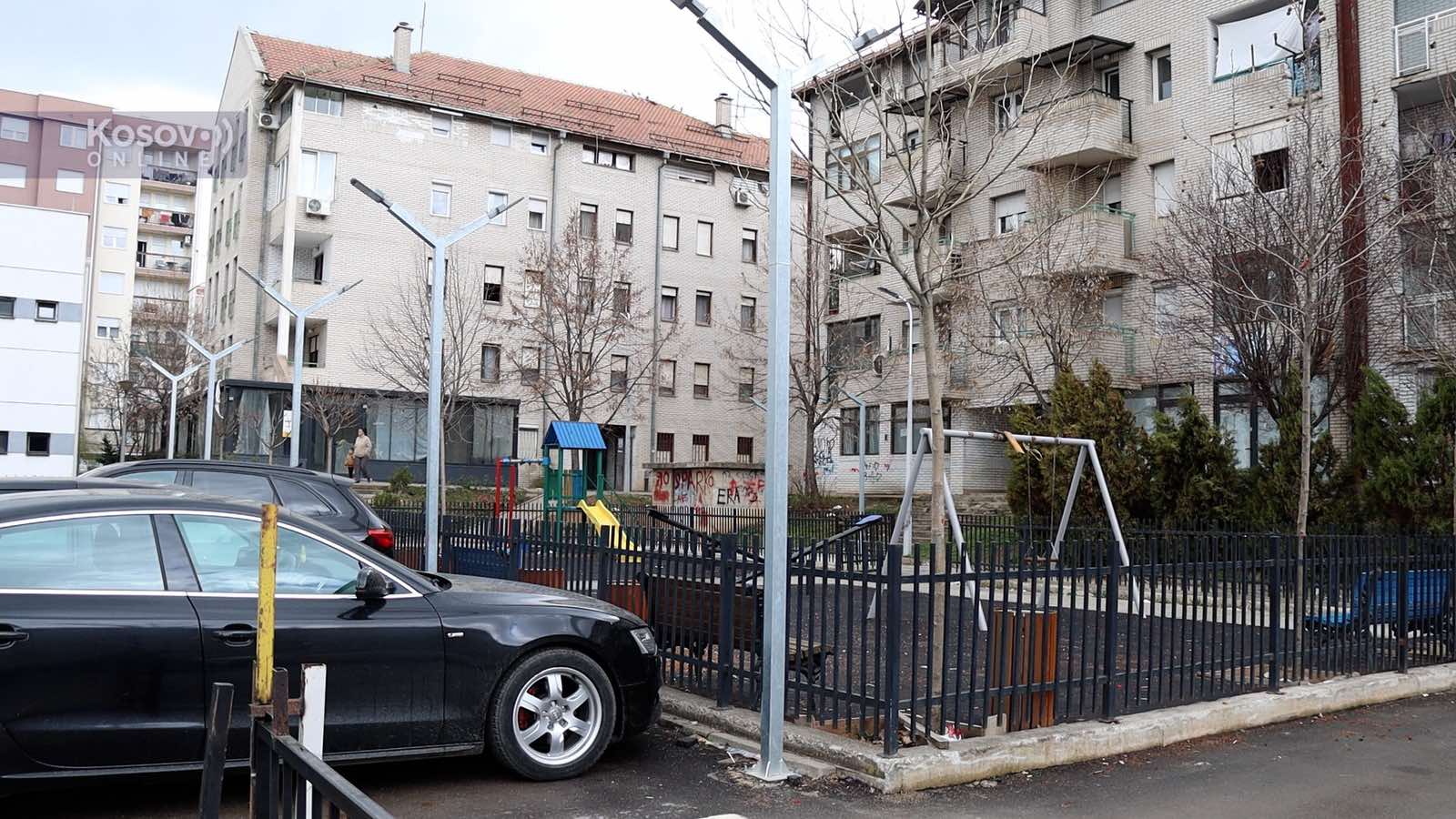
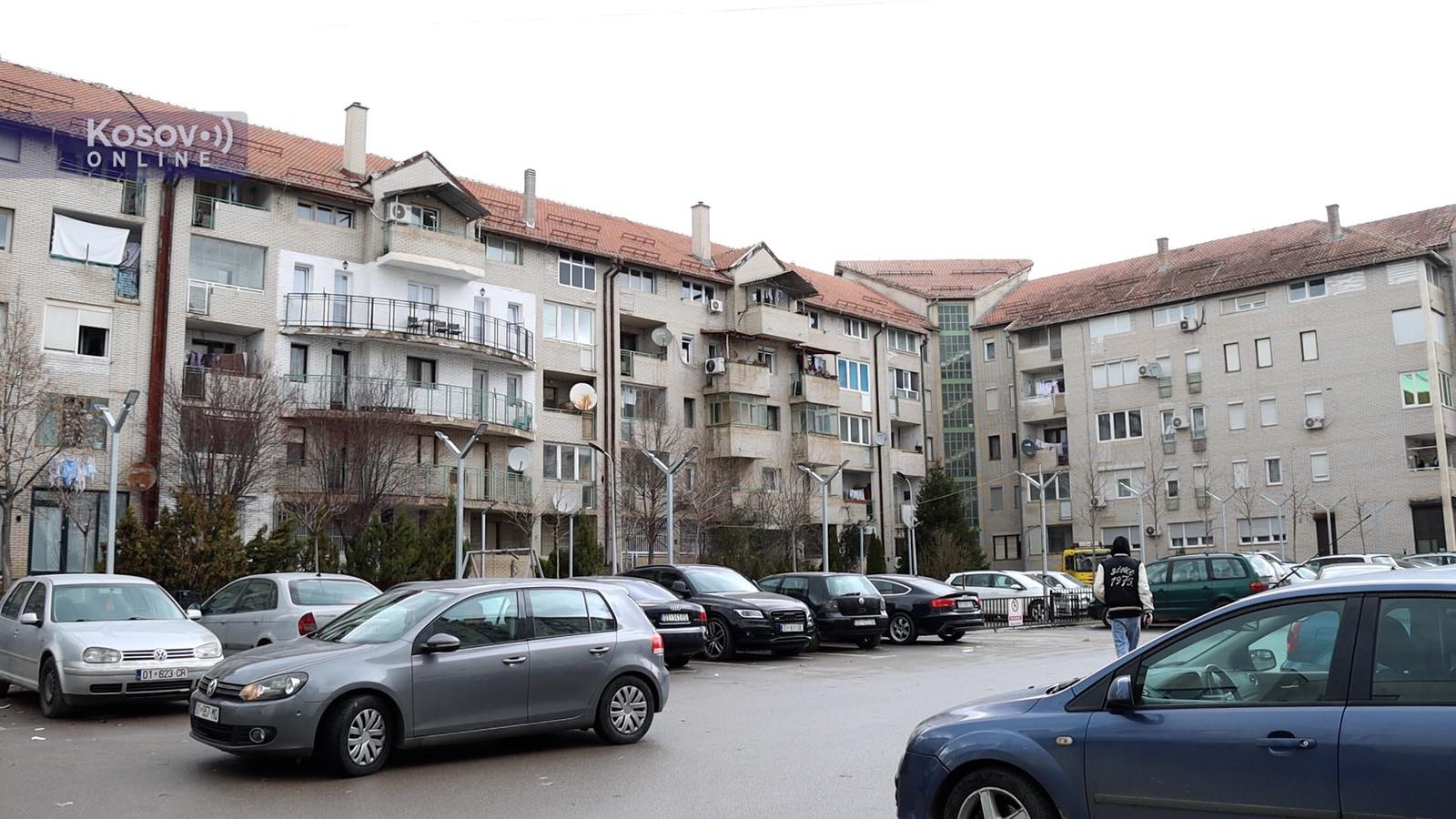


Before the events of March 2004, Masinski Park was a predominantly Serbian neighborhood, but only about 20 Serbs remained after the pogrom, she stated.
"Life after that was filled with immense fear. However, I can say that most of the people in the mob were not from Kosovo Polje. I was born and raised there, and I didn’t recognize them. They were probably from Drenica or nearby areas. Before March 2004, Masinski Park was fully Serbian, but afterward, people began to leave," Markovic explained.
Following the pogrom, 270 Albanians were arrested, 143 were convicted—most receiving only fines—while 67 were sentenced to prison. However, the main organizers were never punished.
Murdered Serbs
In the municipality of Kosovska Mitrovica, Borivoje Spasojevic (1941) and Jana Tucev (1968) were killed. In Lipljan, Nenad Vesic (1951) was murdered. Father and son, Dobrivoje (1955) and Borko (1984) Stolic, were killed in Drajkovce, municipality of Strpce. In Gnjilane, Boban Peric (1952), a physical education professor in the village of Kusce, was murdered. In the municipality of Kosovo Polje, Zlatibor Trajkovic (1942) from Kosovo Polje was killed. In the municipality of Prizren, at the Prizren Seminary, Dragan Nedeljkovic (1943) was murdered.
Destroyed and Damaged Churches and Monasteries
In Prizren, the following churches were damaged: Bogorodica Ljeviska (14th century), Church of the Holy Savior (14th century), Cathedral of the Holy Great Martyr George (1856), Church of St. Nicholas Tutucev (14th century), Church of St. George Runovic (16th century), Church of St. Nedelja (14th century), Church of St. Panteleimon (14th century), Church of St. Cosmas and Damian (14th century), Church of St. Nedelja in Zivinjane, Monastery of the Holy Archangels (14th century), as well as the building of the Seminary of Saints Cyril and Methodius and the Episcopal Palace.
In Orahovac, the Church of St. Nedelja (Kirijake, 1852) in Brnjaca was destroyed.
In Djakovica, the Dormition of the Most Holy Mother of God Church (16th century) with its parish house was damaged, as well as the Cathedral Church of the Holy Trinity (whose bell towers, which had survived the 1999 demolition, were now destroyed) and the Church of St. Prince Lazar in Piskote.
In Srbica, Devic Monastery (15th century) was set on fire.
In Pec, the metropolitan residence with the parish house of the Church of St. John the Forerunner and Baptist was destroyed, as well as the Church of the Presentation of the Most Holy Mother of God in Belo Polje (set on fire again) and the Church of St. John the Forerunner and Baptist in Pecka Banja.
In Urosevac, the Church of St. Emperor Uros was damaged. In Kosovska Kamenica, the church in Donja Slapasnica and the church in Talinovci were affected. In Stimlje, the Church of St. Archangel Michael was damaged.
In Pristina, the Church of St. Nicholas (19th century) was set on fire. In Kosovo Polje, the Church of St. Nicholas was burned, as well as the Church of St. Catherine in nearby Bresje.
In Vucitrn, the Church of St. Elijah was destroyed. In Obilic, a newly built church was damaged. In Kosovska Mitrovica, the Church of St. Sava was destroyed, and in Podujevo, a church dating back to 1930 was affected.

0 comments