
Brajshori: Divorces becoming increasingly common in Kosovo, reasons a combination of factors
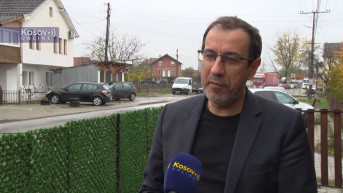
Sociologist Jeton Brajshori believes that divorce is becoming increasingly common in Kosovo and cannot be explained by a single cause, but rather by a combination of economic, social, and emotional factors that together affect family stability.
Speaking to Kosovo Online, Brajshori said that, from an economic perspective, unemployment, low incomes, job insecurity, and financial pressures often lead to conflicts between partners.
"Many young married couples face difficulties in securing basic living conditions, which places additional strain on marital relationships. Social factors also play a significant role. Kosovo is undergoing a process of modernization and changes in traditional family values. Today, women have higher levels of education, greater economic independence, and are more willing to leave marriages marked by violence, psychological abuse, or long-term dissatisfaction. At the same time, expectations of marriage have changed, with greater emphasis on mutual respect, equality, and emotional support," Brajshori said.
He added that emotional reasons are often the immediate trigger for divorce.
"Lack of communication, loss of trust, infidelity, jealousy, domestic violence, and long-standing conflicts all contribute to the breakdown of marital relationships. Divorce is therefore most often the result of the combined impact of economic, social, and emotional factors, rather than the consequence of a single issue," our interlocutor explained.
When it comes to the problems that arise after divorce, he said they are numerous and affect both former spouses and their children equally.
"One of the most common problems in Kosovo is the non-payment of child support. When one parent fails to fulfill their legal obligation, the other parent, most often the mother, is left to bear the financial burden of raising the children alone. This can lead to poverty, social exclusion, and limited opportunities for children's education and development. Another serious issue is the deterioration of the relationship between children and the parent who does not live with them. If parents use their children as a means of conflict or expose them to disputes, the consequences can be long-lasting. Children often develop feelings of insecurity, anxiety, sadness, and even problems with learning and socialization," Brajshori said.
As he noted, divorce also changes family dynamics.
"Family members must adapt to new living circumstances, changes in daily responsibilities, and new parental roles. In some cases, relationships with the extended family become strained, or additional disputes arise over custody and the division of property. It is important to emphasize that divorce is not always the most harmful option. In families where there is violence or constant conflict, divorce can provide protection for children and create a healthier environment for their development. The key challenge is not divorce itself, but how parents continue to cooperate afterward and how successfully they put the child's best interests ahead of their own disagreements," Brajshori concluded.



0 comments