
Ceko: Tourism and hospitality remain the most sought-after sectors in Albania and across the Balkans during the summer season
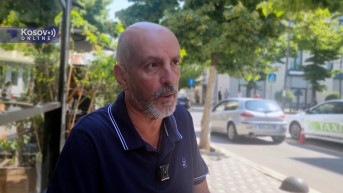
Enriko Ceko, Head of Business Administration and Information Technologies at the Canadian Institute of Technology in Tirana, has said that during the summer season in Albania, as well as across the Balkans, the most in-demand sectors are hospitality, tourism, bars and restaurants, as well as agriculture and retail.
Speaking about earnings, Ceko noted that salaries vary depending on the season, with significantly higher income opportunities during the summer.
"If we look at hospitality and tourism, between 110,000 and 120,000 people are employed in this sector in Albania during the summer, compared to only 25,000 to 30,000 during the winter. In other words, the difference is fourfold. There are two categories of salaries in hospitality and tourism – very high salaries for managers and chefs, and much lower wages for waiters and hotel housekeeping staff," Ceko told Kosovo Online.
He added, however, that wages are generally higher during the summer, with employees earning between €800 and €1,000 per month, while managers and chefs can earn as much as €3,000 or even more.
Ceko also highlighted Albania's information technology sector as particularly attractive.
"The information technology sector in Albania has remained stable, with a gradual increase in both employment and salaries. Today, it is virtually unimaginable to work in IT, data protection or cybersecurity and earn less than €1,200 per month. This applies to both the public and private sectors. In fact, certain departments in the public sector offer salaries of €3,000 or even €4,000 due to the high level of security required. I would also say that even in IT, artificial intelligence and digitalisation, there is a seasonal trend, because many talented students are available during the summer and often take on two jobs. Overall, there is strong demand for IT professionals across the Balkan labour market," Ceko said.
He pointed out that over the past six to seven years, Albania has seen a consistent trend of between 30,000 and 40,000 young people leaving the country every summer.
"One of the reasons is the EU legislation on seasonal residence permits, which allows Albanian citizens to live and work in EU countries for a period of three months. It would be highly beneficial if the Balkan countries also made better use of the agreements they have already signed on the mutual recognition of diplomas and labour mobility, as this would be particularly valuable in certain sectors. In North Macedonia and Serbia, only one to two percent of the workforce is employed in hospitality and tourism, and this sector contributes just two percent of total gross output. At the same time, we need employees with foreign language skills during the summer. A significant proportion of tourists visiting Albania come from Slavic countries, so knowledge of Slavic languages or English is a major advantage," Ceko explained.
He also described the agricultural sector as attractive, noting that Serbia and North Macedonia are ahead of other Balkan countries in this field.
"Albanians who possess the necessary knowledge, skills and expertise in agriculture and agribusiness can work in those countries, and there are already examples of this. I would say that cooperation at the government level is very important, as is cooperation between the private sector, chambers of commerce and business associations. Such cooperation would strengthen labour market cohesion across the Balkans and improve the integration of our economies. Through joint economic growth, the Balkan countries can create greater opportunities for productivity and higher employment," Ceko concluded.


0 comments