
Kocoski: North Macedonia has experienced a “summer migration” for 30 years, with Croatia the most popular destination
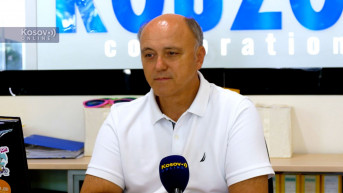
Zoran Kocoski, Director of the Skopje-based international employment agency Kouzon, said that seasonal workers from North Macedonia have been seeking summer jobs abroad for the past three decades and that, unlike in earlier years when Germany and Greece were the preferred destinations, Croatia has now become the dominant choice.
“Traditionally, for the past 30 years or so, North Macedonia has experienced a migration of workers who leave the country during the summer season, from early April until the end of October, to take up seasonal employment abroad. Croatia has become particularly attractive over the past seven or eight years because of the job opportunities it offers, primarily in the tourism sector,” Kocoski told Kosovo Online.
He recalled that in the mid-2000s, Germany and Greece were the most popular destinations.
“The migration later shifted partly to Montenegro and partly to Italy. However, over the past seven or eight years, the largest flow of seasonal workers has been to Croatia. This trend is likely to continue for several more years, until wages, or at least part of them, in our region become comparable to what the Croatian labor market offers. We are already seeing a trend of rising wages across the region—in North Macedonia, Serbia, Kosovo, and Albania. Salaries are gradually approaching the levels earned by young people in Croatia. Frankly, we also expect Croatia to introduce certain restrictions, because labor from the Balkans is becoming increasingly expensive for its market,” Kocoski explained.
He emphasized that the highest-paid seasonal jobs during the summer are in tourism and hospitality.
“Professional chefs can earn between €3,000 and €3,500 per month. Professional waiters working in prestigious restaurants earn around €2,500, while average earnings for young seasonal workers range from €1,200 to €1,800. These are the salaries most commonly offered on the Croatian market, whereas other destinations, such as Montenegro and, to a certain extent, Greece, Bulgaria, and Albania, generally offer lower wages,” Kocoski said.
He also noted that the most physically demanding professions are not necessarily the best paid.
“Construction work is demanding, but young people rarely choose that sector for seasonal employment. Croatia does not have a particularly active construction season during the summer, since construction work is restricted during the peak tourist season. There are still well-paid job opportunities in Germany, but due to the country's economic downturn this summer, the number of seasonal workers heading there has declined,” Kocoski said.
He added that the expectations of seasonal workers are not always met, pointing out that the Croatian labor market has become increasingly selective and now requires a higher level of professional competence.
“I can responsibly say that we simply do not have enough highly qualified hospitality professionals to meet the needs of the Croatian market or the labor markets of other Mediterranean countries where young people work in the hospitality sector. Certain restrictions are already being introduced regarding the higher-paying positions that applicants can obtain,” Kocoski concluded.



0 comments