
Glamoclija: Serbia largely cleared of cluster munitions, large aerial bombs at 150 locations
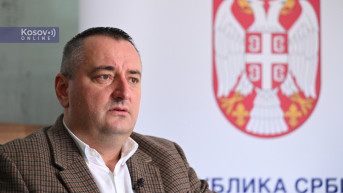
Bojan Glamoclija, director of the Center for Demining, told Kosovo Online that Serbia has largely been cleared of cluster bombs left over from the NATO bombing, with demining projects still needed in Bujanovac and at Ponikve Airport near Uzice, where cluster bombs remain. However, large aerial bombs are still present at 150 locations.
"So far, an area of 66 million square meters has been cleared, and nearly 50,000 pieces of explosive remnants of war—mines, cluster bombs, and large aerial bombs—have been destroyed. We have successfully completed more than 300 projects," Glamoclija stated.
He emphasized that there is a record of areas where explosive remnants exist, but new locations can always be discovered. "The job is never completely done, as explosive devices from as far back as the Balkan Wars are still occasionally found in the field."
"There are large aerial bombs from 1999 at more than 150 locations. We also have issues with civil protection or military warehouses that were bombed or caught fire after the bombings. Vast areas remain contaminated due to these explosions. An explosion occurred in Paracin nearly 20 years ago, and we still haven't fully resolved that problem," Glamoclija noted.
According to him, under UN Security Council Resolution 1244, the territory of Kosovo falls under UNMIK’s jurisdiction, which is why the Center lacks data on explosive remnants in that area.
The Center has launched a non-technical survey project in Bujanovac, which will last a year and help identify remaining anti-personnel mines in the municipality.
"These are groups of mines laid by terrorists, and they are difficult to locate because there are no records of their placement. That’s why we have hired an expert from the United Kingdom," he explained.
Mines have been discovered over the past two to three years, often when forest fires occurred, triggering up to 50 detonations in a single location.
"We are not the only country facing these problems; many countries that have experienced war deal with the same issues. We follow international standards, and I hope that in a year, we will have Bujanovac mapped and can begin clearing anti-personnel mines," Glamoclija said.
The Center he leads was established in 2002 and continues to develop. He stressed that demining requires substantial resources, including deminers, cooperation between organizations and ministries, and, of course, funding.
"Serbia has allocated nearly €2.5 million over the past ten years for clearing Bujanovac. Donors have recognized this effort, and with their help, that amount has increased. When donors see that a country is making an effort to solve its own problems, they step in to help," he concluded.


0 comments