
The inhabitants of Grncar are worried; it was agreed that a new location for burying dead pigs should be found
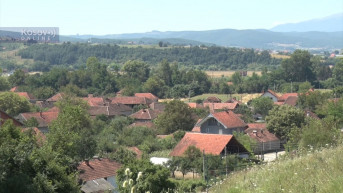
The first confirmed case of African swine fever in Kosovo was recorded on July 17 in the municipality of Klokot, the Food and Veterinary Agency of Kosovo announced, and that the pigs had been euthanized a few days ago and only yesterday they had been buried in the village of Grncar, in the municipality of Klokot.
The inhabitants of that village expressed their dissatisfaction with a peaceful protest because the location where the pigs had been buried was only 200 meters away from the houses where they lived. The Kosovo Police also intervened and dispersed the gathered locals.
The first day after the protest over the burial of pigs above Grncar village, the situation in that place is calm. In the morning, the road through the entire village was disinfected, and the locals had a meeting with representatives of the local self-government, where it was agreed to find another location.
The President of the Provisional Body of the Municipality of Kosovska Vitina, Bozidar Dejanovic, points out that a crisis headquarters has been formed that monitors the situation on the ground every moment.
"The situation is very serious and we are monitoring the situation on the ground. We have formed a crisis headquarters that is in contact with people and is conducting an inventory of dead animals, we have contacted the Office for Kosovo and Metohija, which will help our families who have pigs infected with African swine fever and which will compensate for the damage in that matter, we are in contact with all competent organizations regarding the burial of those pigs and the locations where those pigs should be moved to be buried there, and therefore we are on the ground non-stop monitoring the situation in that matter," Dejanovic points out.
Petko Rakic from Vrbovac fears that due to the proximity of the place where the pigs are buried, the mineral water spring he owns may be contaminated.
"Since the pigs are buried 200 meters from here, we are afraid that those germs will reach the water since we, the people, use this water as well as cattle, sheep, goats, pigs, and poultry. We are afraid of that," Rakic said.
Dobri Stolic from Klokot says that five large pigs and 16 piglets were taken from him and that the damage is great.
"My pig got sick on Monday, I called our veterinarian on Tuesday who came and responded immediately and called them; three veterinarians and an inspector came and found that the pig was healthy and gave me a contact phone number so that if I notice anything, I can call them. In the meantime, my pig died immediately. The next day, the veterinarians came and took a sample, and after that two more pigs died," Stolic says.
According to the information so far, more than 200 pigs died in Klokot from African swine fever. According to the examined samples, for now, except in Klokot, there are no infected pigs in the surrounding areas in the households that breed these animals.

0 comments