
Marsenic: Trend of depopulation in Kosovo; young people are leaving due to uncertainty
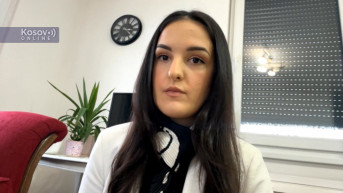
Sociologist Marija Marsenic from the Institute for European Studies stated that census results indicate Kosovo is following the European trend of depopulation, with the key reasons being poor economic conditions, a low standard of living, and the primary "trigger" for young people – uncertainty.
"One of the main issues and causes for the demographic landscape in so-called Kosovo is migration, specifically the significant departure of young, working, and capable populations from this territory. These emigrations are most often caused by economic factors, low standards of living, high unemployment rates, and general economic difficulties. However, another very important factor leading young people to leave this territory is the extremely poor and uncertain security situation. In general, there is a pervasive state of uncertainty in this area, which is why young people are emigrating en masse," Marsenic told Kosovo Online.
Commenting on the fact that the number of people over 65 in Kosovo has doubled compared to the previous census, the expert highlighted the consequences of this trend.
"The greatest consequences are undoubtedly economic. In the coming period, we will see significant pressure on pension funds and healthcare systems. Additionally, this large exodus of young, working-age populations will result in a labor shortage in the job market," Marsenic noted.
She adds that the departure of highly skilled workers, such as doctors, engineers, and scientists, will cause not only a shortage of professional staff but also a decline in investments.
"This will lead to a lack of investments and development, and consequently, a general decline in the quality of life and living standards," the expert warned.
Marsenic emphasizes that depopulation has become a European problem.
"We are witnessing a depopulation trend not only in so-called Kosovo but across Europe as a whole. This is a general trend," she pointed out.
Commenting on the recently published census results in Kosovo, Marsenic says they showed that Kosovo has lost nearly 200,000 residents.
"That is an entire city, like Pristina," she specified.
In addition to depopulation, Kosovo is seeing an increasing proportion of elderly residents, which has doubled compared to the 2011 census.
"The reasons for this are varied. They could be economic, political, social, and cultural factors," Marsenic explained.
She noted that this trend is also influenced by increased life expectancy and reduced mortality rates, which are the results of advancements in medicine and greater access to healthcare.
Marsenic points out that the declining birth rate is affected by women's participation in the labor market and extended education.



0 comments