
Pantovic: Serbia is facing an increase in the number of foreign citizens who come for work
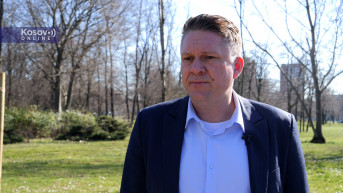
Belgrade-based demographer Miodrag Pantovic assesses that in recent years Serbia has been facing an increase in the number of foreign nationals coming for employment. Speaking to Kosovo Online, he points out that around 40,000 foreigners have moved to Serbia and that more than 90 percent of residence permits have been issued on the basis of employment.
Precise data are not fully comparable because the methodology was changed last year and now includes both work permits and residence permits under the jurisdiction of Serbia’s Ministry of Interior, Pantovic notes. Nevertheless, according to the latest available data from the Statistical Office of the Republic of Serbia, a significant number of foreign nationals have settled in the country.
“The most precise data are those of the Statistical Office of the Republic of Serbia. The latest data are from 2023, when 41,000 and somewhat more foreigners had settled in the Republic of Serbia. Of those, the largest number were citizens of Russia, followed by China, Turkey, and countries of South Asia,” he points out.
Asked on what basis foreign nationals obtain residence permits, he emphasizes that in the vast majority of cases it is employment.
“In Serbia, more than 90 percent are linked to employment. We have been facing a major labor shortage in recent years. The first reason is the mass retirement of very large generations, the largest in Serbia’s history, who were born immediately after the Second World War and retired over the past decade. On the other hand, the younger generations entering the labor market in Serbia are much smaller than those generations, which creates a certain structural and demographic imbalance,” our interlocutor states.
He also sees an additional factor in changes in the educational structure of the population, as well as in economic growth.
“Today, in the generations in their twenties and thirties, nearly half have higher education or university degrees. As a result, they have moved away from certain jobs that were previously in demand and easier to fill. We have also experienced significant economic growth in the country over the past few years,” he notes.
Speaking about long-term trends, he states that Serbia ranks among the demographically oldest countries.
“Serbia is facing population aging and is one of the ten oldest countries in the world. That is one of the reasons why such a large labor shortage is emerging. As we continue developing the economy and achieving economic growth, we will increasingly need more workers, because economic expansion requires a larger workforce,” Pantovic warns.
He adds that the unemployment rate is currently at a historic low.
“We have the lowest unemployment rate in our history, which is a result, among other things, of economic growth and partly demographic changes. Therefore, we will need more and more foreign workers, especially in the service sector, which includes construction and hospitality, and now increasingly in industrial production,” he says.
He emphasizes that the number of foreign workers is growing and that Serbia is following a European trend.
“This is a trend that began in Western Europe several decades ago, and now countries around us are massively importing labor. Hungary imported around 100,000 foreign workers last year, and for Croatia, we already know that there are more than 200,000. So in a way we are also part of this trend that has affected our region, which is a consequence of population aging and stronger economic growth,” Pantovic says.



0 comments