
Serbian Ministry of Culture: Neziraj's provocations are dangerous for the security of Serbs in Kosovo

The Ministry of Culture of Serbia rejected and condemned the allegations of the playwright from Pristina, Jeton Neziraj, directed against the National Theater in Pristina, with its temporary headquarters in Gracanica, that this theater institution "is a propaganda weapon of the Government of the Republic of Serbia in its hegemonic politics with which, as in the 1990s, it wants to show its ownership of Kosovo," the Ministry's announcement states.
The Ministry, as stated, warns that such statements represent an extremely hypocritical and cynical provocation, bearing in mind that this very institution of culture was expelled from its city and expelled from her native scene in Pristina, in extremely difficult circumstances by brutal acts of secessionist politics, which promote violence at the expense of democratic dialogue and culture.
"We remind you that the Republic of Serbia founded this theater in 1948 in Pristina and that it worked as a multi-ethnic institution with Serbian and Albanian drama, which performed plays in the Serbian and Albanian languages, until 1999, but was restored by the decision of the Government of the Republic of Serbia and began its work again in Kosovo and Metohija in 2004, and until today has accomplished a large number of theater performances directed by some of the most eminent directors: Milan Karadzic, Goran Markovic, Slobodan Skerlic, Gorcin Stojanovic, Milan Neskovic, and many others," the statement added.
According to the Ministry, the National Theater in Pristina, with its temporary headquarters in Gracanica, performs its performances today on the new home stage in Gracanica, as well as in other parts of Kosovo where the Serbian population lives, as there are almost no Serbian spectators of these performances left in Pristina, the city where it was founded.
"To call such an institution, which serves the cultural needs of the most threatened ethnic community in Europe, the Serbs in Kosovo and Metohija, a weapon of greater Serbian hegemonic propaganda is both terrible and extremely dangerous for the safety of Serbs in Kosovo and Metohija, culture, and the elementary rights of cultural workers in this institution on work, existence, and artistic expression, as well as the preservation of culture and language," they added in the announcement.
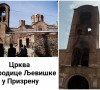
In the end, they remind that Serbian monasteries and churches in Kosovo were marked with almost the same words in a series of articles just before the March pogrom of 2004.
"Is it now the Serbian cultural institutions in Kosovo and Metohija turn?" the Ministry asked.


0 comments