
Spasic: Christmas customs are best preserved in Kosovo, they are the identity card of the Serbian people
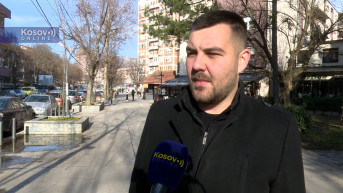
The Serbs in Kosovo have preserved the largest number of Christmas customs, some dating back more than ten centuries. While some differ from the traditions practiced in central Serbia, historian Milos Spasic tells Kosovo Online that these customs testify to how long Serbs have lived in Kosovo, despite efforts to portray it otherwise.
Spasic reminds that Serbs have celebrated Christmas since adopting Christianity in the 6th century, as the adoption of Christianity marked the beginning of Christmas celebrations.
"Christmas is a Christian holiday that commemorates the birth of the Lord Jesus Christ. With the advent of the New Year or 'new summer,' many pagan rituals were integrated into Christianity. As for the specific customs tied to the celebration of Christmas, they begin with the feast of Saint Barbara and extend to Saint Sava's Day, making January a month filled with various traditions," Spasic notes.
He explains that many rituals associated with this holiday have been preserved, even though Serbs were under Ottoman rule for centuries.
"Serbs have nurtured their faith, and through customs, they have also professed their belief. We know that it was forbidden for Serbs to baptize publicly, and they were only allowed to do so in churches, but they also practiced baptism in their homes through certain customs. As for the specifics of the customs, they are best preserved in Kosovo and Metohija, and this is the identity card of the Serbian people in this region. A large number of customs have been preserved to this day in Kosovo and Metohija, such as cutting the Christmas tree, bringing it into the home, bringing straw, and setting up meals on the floor," he says.
Spasic highlights that more Christmas traditions have been preserved south of the Ibar River, including the preparation of ritual bread.
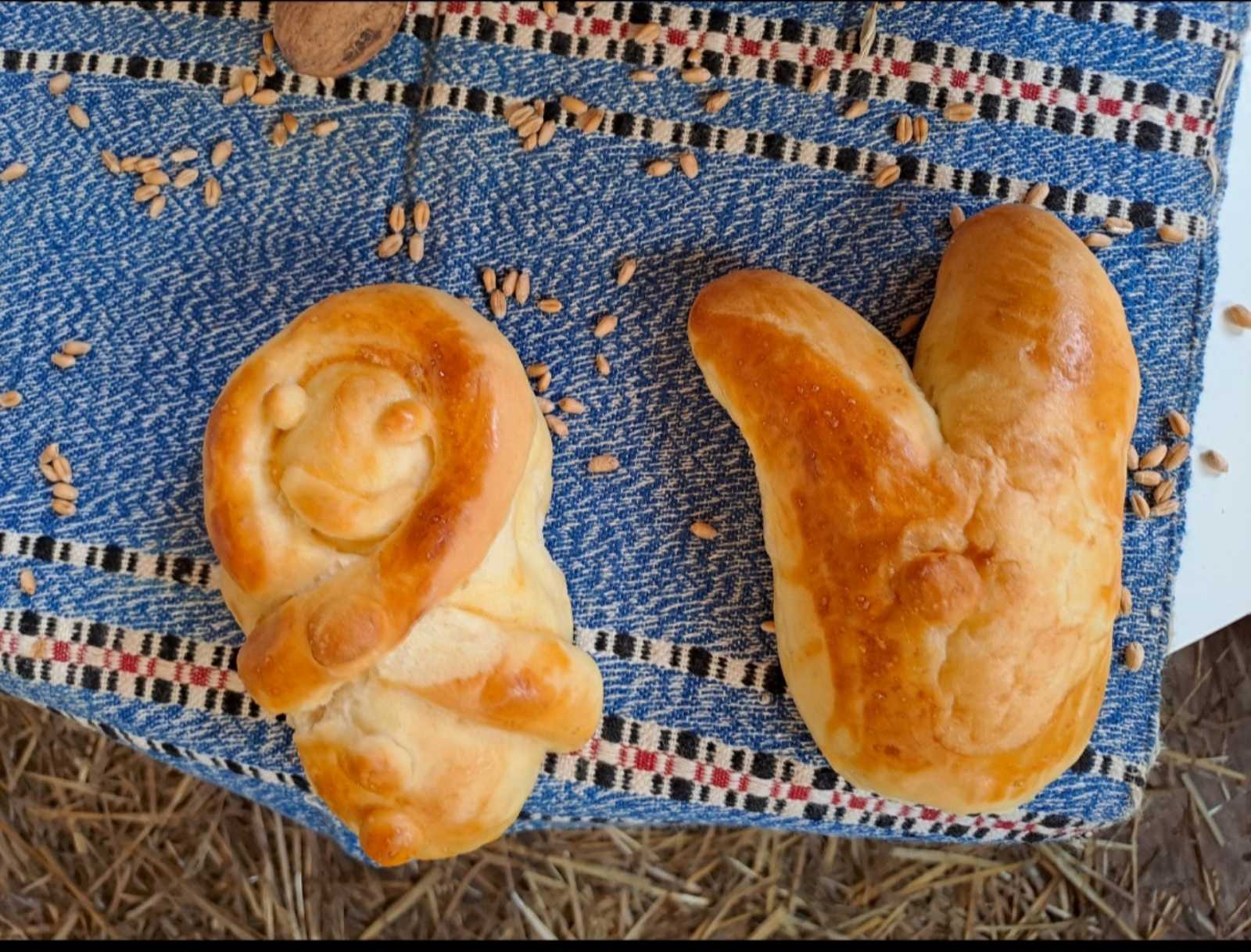
"There are also traditions specific to the second day of Christmas. On Christmas Day itself, the ‘polaznik’ (first guest), also called ‘polozajnik’ or ‘radovan’, is a boy or young man who visits and blesses homes. He represents the mythical ancestor and, in Christian tradition, the wise men who brought gifts to the infant Jesus. This tradition also symbolizes achieving prosperity and progress throughout the new year, which is why, on Christmas, livestock is gifted, as well as socks for the family members. ‘Polaznik’ is also given socks, precisely because the Lord was born in a cave, or a stable. He was not swaddled but was bare and barefoot, which is why socks are gifted," Spasic explains.
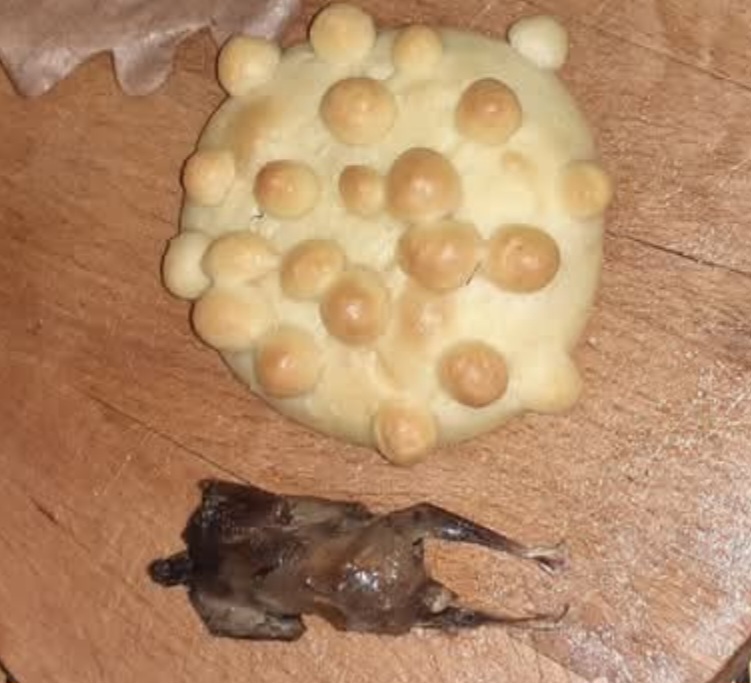
What is specific in the ritual customs of Serbs in Kosovo, especially in the central region, is the breaking of the Christmas fast by eating dried sparrow.
"The dried sparrow symbolizes a blood sacrifice. After eating it, people would say, 'May I be as light and healthy as a sparrow.' On this day, girls would swing on swings to ensure prosperity and make wheat grow as high as the swing's arc," he adds.
Finally, Spasic emphasizes that the customs preserved by Serbs in Kosovo are very important because they demonstrate how long the Serbian people have inhabited the region.
"I can confidently say that, in these turbulent and challenging times, customs remind us of the kind of people we should strive to be and how we should cherish our traditions and cultural heritage. By doing so, we show that we have been present in this region for centuries, not recently, as some would like to claim. These customs send a message to young and old alike to preserve their traditional heritage and ensure these practices are passed down to future generations," he concludes.
0 comments