
Maroevic: State Department sent in the “Cavalry” to save Thaçi, They need him in Kosovo
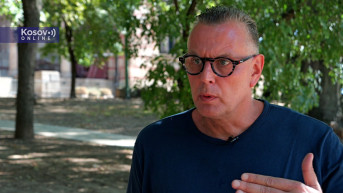
RTS journalist Rade Maroevic assessed that, judging by the course of the defense’s presentation of evidence in the trial against Hashim Thaçi and three other former KLA leaders before the Kosovo Specialist Chambers in The Hague, it gives the impression that the U.S. State Department “sent in the cavalry to save Thaçi,” because politically they need him in Kosovo “since Albin Kurti does not listen.”
“The State Department sent in the ‘cavalry’ to save Thaçi. The two most important figures from that period, from Rambouillet and immediately before the start of the bombing, are James Rubin and Paul Williams. It is assumed that at some point William Walker, the head of the OSCE Verification Mission, will also appear in the defense’s service. So, with three men, they will try—not denying that crimes did take place, no one has done that—to remove guilt from those accused of them,” Maroevic told Kosovo Online.
He added that it is difficult to predict the outcome of the trial, but the essence is that the former KLA leaders have ended up before a court at all.
“The crux of the matter is that enormous pressure from the international community led to the establishment of this court. In the meantime, political circumstances in Kosovo have dramatically changed, and America has been left without its players, as the key figures are now in detention in The Hague. Politically speaking, Thaçi is needed by the United States because Albin Kurti does not listen. From that perspective, the situation is quite tense. From the legal perspective, it is a completely different matter. The prosecution has presented its evidence, the defense is now presenting theirs, and when the two clash we will see what the final outcome will be,” Maroevic emphasized.
He explained that the defense in this case has “taken a completely different path” from the prosecution.
“Unlike the prosecution, which brought in over 100 witnesses and documentation of more than 100 victims and displaced persons, the defense has gone down a completely different road. As in the trial of Slobodan Miloševic, they are trying to ‘paint’ the political scene in Kosovo at the time when those crimes occurred,” Maroevic said.
“James Rubin, who was the key State Department representative for the KLA at that time, and Paul Williams, advisor to the Albanian delegation at Rambouillet, tried to convince the trial chamber that regardless of titles and public appearances, Thaçi and the three co-accused did not have actual command over the units in the field,” Maroevic noted.
He recalled that the prosecution presented a series of pieces of evidence during the proceedings, including KLA communiqués calling for a crackdown on Albanians who worked for the Serbian police or collaborated with the then authorities.
“They tried to dispute the authenticity of those documents and not only that, but also their significance, in order to establish a system where they were political representatives on a different level, while operational zone commanders made decisions independently,” Maroevic explained.
The first defense witness in the trial against Thaçi and three other former KLA leaders was former U.S. Assistant Secretary of State James Rubin.
After him, testimonies were given by Paul Williams, legal adviser to the Kosovo delegation during the Rambouillet negotiations, and British diplomat John Duncan.
The head of the Albanian intelligence service during the Kosovo war, Fatos Klosi, confirmed that he will also be one of the defense witnesses.

comments