
Analysts: The West is in a hurry; there will be pressure in Paris for Belgrade and Pristina to accept the proposals on the table
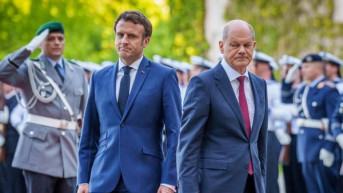
The upcoming Peace Forum in Paris, in which Serbian President Aleksandar Vucic is expected to participate, along with Kosovo Prime Minister Albin Kurti, as announced from Pristina, will be an opportunity for leaders of leading European countries to send messages during the expected talks on the sidelines of this event that both sides would face serious consequences if they did not accept the EU proposals on the table, according to Kosovo Online's interlocutors Slobodan Zecevic from the Institute for European Studies and Miroslav Stojanovic, a foreign policy commentator.
Whether there will be a direct meeting between Vucic and Kurti during the conference, which is held in Paris on November 10 and 11 on the occasion of Armistice Day in World War I, or whether French President Emmanuel Macron and leaders of leading EU countries will hold separate meetings with them, as was the case during the last round of talks in Brussels at the end of October, is not known for now. However, it is assumed that the proposal from Brussels for the formation of the Community of Serb-majority Municipalities will be on the agenda, with EU headquarters stating that it is balanced.
Slobodan Zecevic says that “threats“ can be expected from discussions with French President Emmanuel Macron and other European officials.
"At these meetings, threats will be delivered in the sense that those who do not adhere to it, or those who are not constructive in accepting these proposals, will face the consequences of certain sanctions. There will certainly be such threats, but when it comes to Kosovo, it has been shown that these sanctions were symbolic and that they did not feel them at all", he notes.
As for promises of EU membership, as Zecevic emphasizes, this applies more to Serbia than to Kosovo.
"Kosovo is on the distant horizon for them; their primary concern now is visa liberalization, which is supposed to come into effect from January 1, with the goal of having as few Serbs as possible living in Kosovo. That is the policy they are pursuing—pressure on the Serbs, which will lead to their migration to central Serbia. As for EU accession, it's so far-fetched in their minds that they believe it's closer to them to relocate the Serbs from Kosovo than to join the EU", he emphasizes.
He believes that the EU might have the ambition to reach a normalization agreement between Belgrade and Pristina so that it can say both sides have signed a document, everything is fine, and they are on the path to normalizing relations.
"I don't rule out that possibility, but a lot depends on the text of the agreement itself and whether Kurti will agree to sign such an agreement without simultaneously seeking recognition of Kosovo's independence", Zecevic says.
Foreign policy analyst Miroslav Stojanovic expects that on the sidelines of the Forum in Paris, there will certainly be discussions about the so-called Ohrid Agreement, which, he recalls, is drafted in the image of the 1973 agreement between the two Germanies.
"Several points from that agreement are literally copied, only in the Ohrid document, Serbia and Kosovo are mentioned. It talks about good neighborly relations between the two states, that they do not obstruct each other's paths to international organizations, and that the whole battle is fought over ensuring Kosovo a 'passage' to the United Nations. That is a very difficult path and an almost impossible mission, even if Serbia, which I don't believe, accepts it at one point. There are narrow doors through which one can enter, through the Security Council. And there are still two countries there with a rightful veto that can block it. The problem is not so much Serbia's firm stance but the European leaders' issue, regardless of designating that paper as European, as five EU countries still do not recognize Kosovo. It's not so much a matter of love for Serbia, but the internal needs of those countries", Stojanovic points out.
He emphasizes that the West is in a hurry, hence the acceleration of diplomatic efforts to conclude things as soon as possible because, he notes, it is entering a critical year with upcoming elections for European institutions and the presidential elections in the United States.
"That's why it has been raised to an unusually high level now, so in recent meetings in Brussels with the leaders of Belgrade and Pristina, we also had the heads of the three most influential EU states, which has never happened in such situations. In Paris, the situation will be similar, with people of greater specific weight, leaders like Macron, German Chancellor Olaf Scholz, and Italy will probably be involved again, exerting a kind of pressure to resolve Kosovo issues as soon as possible", our interlocutor emphasizes.
He adds that the situation is becoming more dramatic for both the EU and the US as they enter a period of major electoral upheavals. He believes that there will likely be significant changes in the European Parliament, as the right wing strengthens in many countries, and the political landscape will obviously change. Then comes the US presidential election, which, he notes, is highly uncertain.
"In addition, there is the international situation, which is extremely dramatic, and it precisely conditions making these moves to seize time and close at least some of the hotspots, with the Balkans being considered one of those points that can create havoc. The conflict in the Middle East is more dramatic than the conflict between Russia and Ukraine. Because that conflict does not spill over, the conflict in the Middle East can spread like war lava and get out of control. That's why Europeans need to achieve some kind of political success by the end of the year. I don't believe it will happen, and the drama around Kosovo will last for quite a while", Stojanovic concludes.


0 comments