
Cancellation of the Donors’ Conference - EU message of dissatisfaction to both Pristina and Belgrade
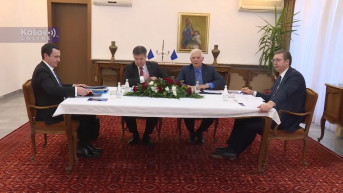
The Donor’s Conference for Serbia and Kosovo organized by the European Commission, which was agreed upon during the talks in Ohrid on March 18, will most likely not be held as and when planned, and analysts estimate that this move is a message from the European Union to Pristina and Belgrade that is not satisfied with the progress of the negotiations - if you do not want an agreement, and you do not want to work on it - simply, we will postpone the Conference for a better time.
The annex to the agreement agreed upon in Ohrid also foresees the organization of a Donor’s Conference within 150 days in order to establish an investment and financial aid package for Kosovo and Serbia.
But, as Serbian President Aleksandar Vucic said in an address to the public the day after the talks in Ohrid, the Annex also stated that this aid would not be granted before the EU determined that all provisions of the Agreement had been fully implemented.It seem
hat moment there was no room for discussions on organizing a Donor’s Conference for Kosovo and Serbia.
Analyst Aleksandar Gudzic says for Kosovo Online that this is a message to both Pristina and Belgrade that the EU is not satisfied with the way the negotiations are going.
He indicates that the interest of the leading countries of the European Union is to resolve the Kosovo issue and that is why the stalls in negotiations, conflicts, media quibbling, and mutual accusations of Pristina and Belgrade - are something with which the leading countries of the Union are not satisfied.
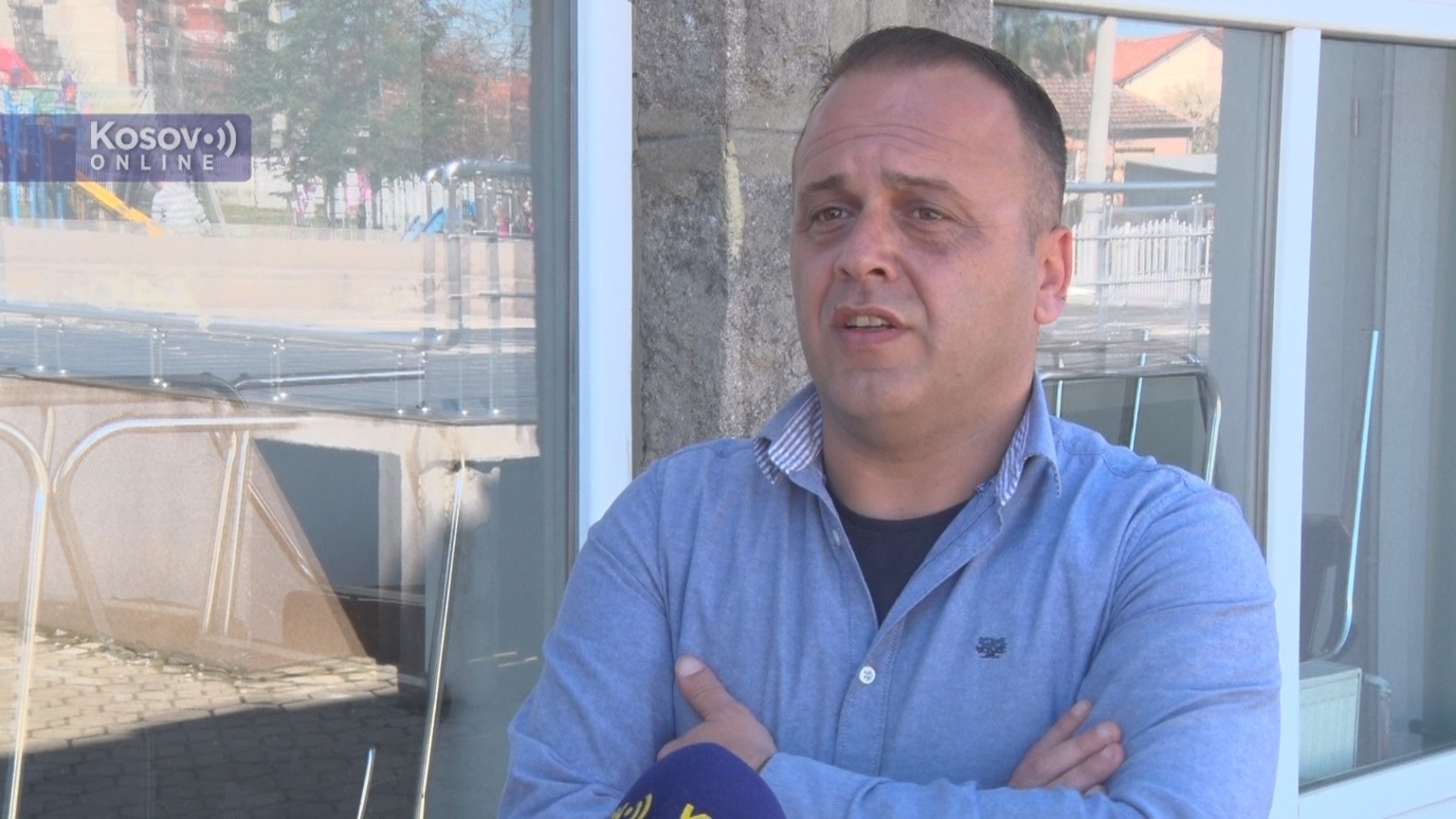
"And this is a message to both sides to establish normal communication and to continue negotiations, which will be in the interest of Kosovo, and this is a mutual recognition, which the official Belgrade does not agree with, which is in contradiction with the constitutional legislation of Serbia because Kosovo is an integral part of Serbia," Gudzic said.
He adds that the next thing that can be expected in Kosovo, if the current policy of Albin Kurti continues, is a parliamentary crisis and new elections.
Fadil Lepaja, an analyst from Pristina, estimates that now the question is whether Serbia and Kosovo really want to work on the implementation of the agreement.
"Serbia and Kosovo have made it clear that they want an agreement and they reached one in Brussels, and then in Ohrid and its annex. We have a framework on which to work. However, now the question is whether they really want it. Serbia actually wants the normalization of relations, but we will see if it wants to implement everything agreed in Brussels and Ohrid, or not," Lepaja told Kosovo Online.
The outbreak of the crisis in the north is a "familiar scenario" for him.
"Simply, the Serbs are looking for something that they will not get and then a crisis happens, and the elections are boycotted. The government of Albin Kurti decided to respect the results of those elections even without the participation of the Serbs. Everything led to the crisis when peaceful demonstrators cut KFOR in half, and when the flags of Serbia were removed from the municipal buildings in the northern municipalities. Now we have a 'deadlock' position from which they either do not want or cannot get out," Lepaja said.
Europe's answer, he points out, is actually that – if you don't want an agreement, don't work on it - we will simply postpone the Conference for a better time, as well as all the other benefits that both countries were supposed to have after the agreement.
When asked whether Belgrade and Pristina were in the same situation, Lepaja answers:
"Vucic hoped that he would become a victim, that is, that the Serbs in Kosovo would become victims and Kurti some little dictator... Actually, it turned out that it was not about victims, nor about the wolf and the lamb, but about the two sides having positions which they will not change. The Serb list does not change its position that the north is Serbia, and the Kosovo government doesn’t give up its responsibility for that part of Kosovo. We simply have two battering rams, who will not change their position, or cannot, or must not. When it comes to Vucic, I think it's about the fact that the person may not be in control of the situation, and must not give in in that direction".
Asked what could be expected as the next measure from the US, Lepaja said that, probably, the pressure from the West would not be as direct and sharp as some expected.
"They will abolish benefits and a lot of things from which the states have profited; they will work to ensure that there is peace in these areas and that the neighbors start cooperating when it is in their interest. I think we have avoided a major crisis that was not about the north, the large concentration of the army and police around the crossing was not because of the north, but because of the military exercises that were conducted in Albania, Kosovo, and Macedonia. It became a scenario to cause a big crisis and put peace into question, so as to provoke a conflict, in which other parties would involve," Lepaja stated.


comments