
Does the Kosovo government really have a reason to be angry with the USA and the EU?
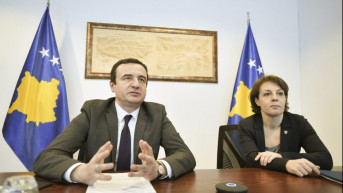
The anger of the Kosovo officials towards the Western allies, which goes so far that the head of diplomacy, Donika Gervalla-Schwarz, recently called the European Union a "paper tiger", is not only unfounded, but shows the extent of the ingratitude of the Albanian public and politicians, because the EU, USA and NATO are in of the past quarter of a century politically, economically and in every other respect have incalculably "indebted" Kosovo, according to the interlocutors of Kosovo Online.
After the latest affair caused by the public appearance of Donika Gervalla-Schwarz, among some Albanian analysts there is a growing opinion that the political elite in Pristina "put the cart before the horse" and does not understand the current security-political moment.
Criticism from Brussels and Washington, as well as the punitive measures imposed on Kosovo due to its refusal to de-escalate the situation in the north, not only bounce off the walls of the government led by Albin Kurti, but the Kosovo prime minister and his closest associates retaliate with even harsher criticism of the Western allies.
Almost daily, accusations come from Kurti's entourage that Western mediators are "on the side of Belgrade", that they are "unfairly punishing Kosovo", with messages that they will not fulfill the demands of the EU and the USA to withdraw the Kosovo special forces from the north and the illegitimate Albanian mayors, elected in the elections in which turnout was around 3.5 percent, which the Serbs boycotted.
The most radical critic of Brussels and Washington in recent days was Kosovo's head of diplomacy, Donika Gervalla-Schwarz, who, since Kosovo's relations with the Western allies began to cool, first demanded that the American-European duo Gabriel Escobar and Miroslav Lajcak be replaced, so she ordered that the approach of the EU in the dialogue must be changed and said that the measures against Kosovo were unnecessary.
At the last appearance at the Dubrovnik Forum, she attacked Brussels even more harshly, calling it a "paper tiger", which is unable to ensure peace and stability in Europe without the USA and NATO.
Gabriel Escobar responded harshly to her, saying that populism and nationalism do not move forward, and that everything positive that has happened in the last generation comes from American-European cooperation.
The American diplomat has repeatedly reminded Pristina in recent weeks that everything the USA has done in recent months and years has been in favor of Pristina, not Belgrade. Escobar mentioned, among other things, lobbying for Kosovo's independence and membership in international organizations, assistance in all areas, from economy to security, and Kosovo online interlocutors also add the bombing of Serbia, the creation of Kosovo's armed forces, and assistance that is measured in billions of euros.
Writer and journalist Zivojin Rakocevic points out that this is an example of how any inappropriate and undeserved support usually ends badly, and all merits are quickly forgotten and turned into their opposite.
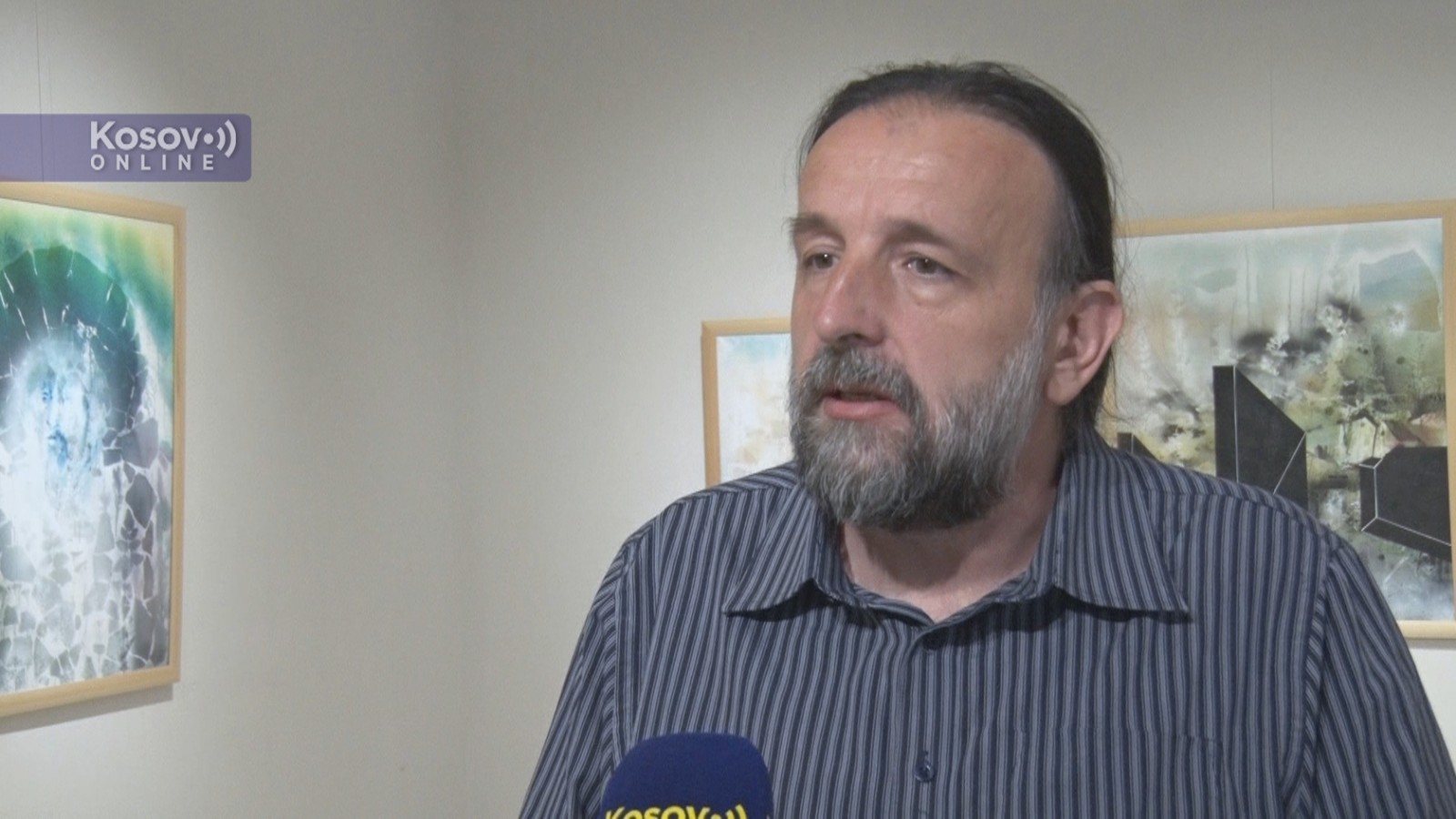
"Kosovo behaves like a debtor who took someone's money and accuses him because he only wants to get what is his. The current government in Pristina owes the European Union, the USA and NATO hundreds of billions of euros in aid for the last 25 years, the attempt to develop institutions, the formation of the military unit, opening doors in the world - and today it seems that all that is little and that Kosovo is angry with its political, economic and security parent. Relatively speaking, it was similar in Tito's Yugoslavia, including undeserved rewards, so everything ended disastrously ", says Rakocevic for Kosovo Online.
As for relations with Serbs, he believes that there should be no illusions, and indicates that these relations will be difficult to change because, despite "emotional quarrels in the family, they will remain a permanent disruptive factor and together they will try to push Serbia out of Kosovo ".
"The West at one point in Kosovo, after so many material and human investments, decided to equip its protectorate for independent decision-making. Then there was confusion, because the all-powerful voice of the ambassador from Dragodan, a settlement in Pristina with Western embassies, was not heard, and that the space was filled by Albin Kurti. He and his collaborators look for and find allies, arrest and decide independently and have the appearance of finally introducing Kosovo to the space of independence," Rakocevic says.
And lawyer Milan Antonijevic says for Kosovo online that no political alliance lasts forever and he also gives the example of Yugoslavia and Serbia, which realized this in a very bad way, through, as he states, a series of decisions that led to the bombing in 1999.
"From that lesson, Kosovo should learn something, it must learn something. That the support of the allies, who helped them in every way, both for independence, and for economic and other reforms, is not written in stone. What our Western allies see is respect for human rights, the attitude towards minorities, and especially towards the obligations you have taken on in international relations. Kosovo's relations with its allies can be reset, and this has been announced in a certain way by the statements of officials as well as the measures that have been introduced," he says.
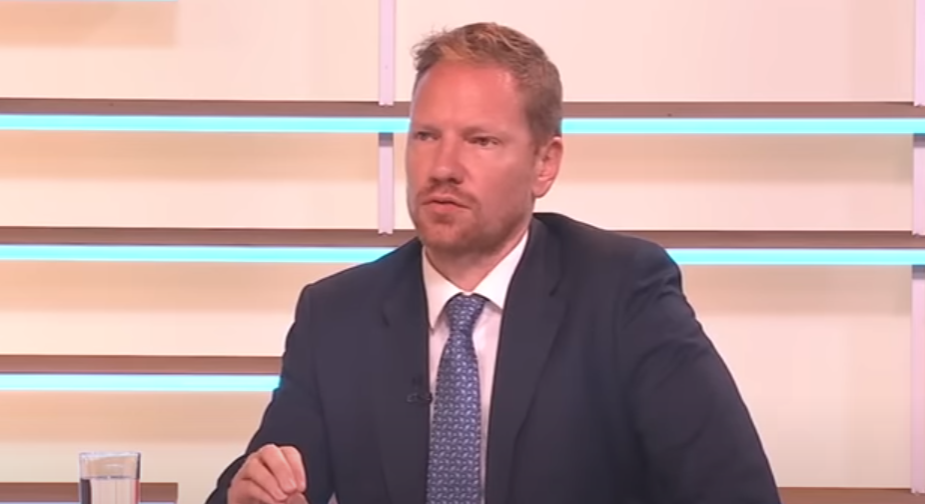
It indicates that even from the USA, which is the strongest partner of Kosovo, they no longer receive undivided support, there are more and more questions and demands, there is much more support for the Serbian community, which is currently threatened and none of the Western allies will go beyond that.
"As long as Belgrade is constructive, there will be support for the demands of the Serbian side and the community, in the end, the obligations that Kosovo assumed in the Brussels Agreement will be something that the USA will insist on. Serbia tested the patience of its traditional friends from the West in the 90s, it tested it and in 1999, when it did not take seriously the messages of the West about endangering the rights of Albanians in Kosovo, and what was happening and what was shown by the trials in our country and before international courts. This is something that Kosovo must also understand. At this moment in The Hague is trying the leaders of the KLA for the crimes committed in Kosovo against Serbs and non-Albanians, but also against the Albanian population," says Antonijevic.
He points out that the international community insists on this and that Kosovo cannot deny that there were no crimes and that it was a completely legitimate fight.
"We have people who are still being treated as missing, expelled, internally displaced, they deserve justice through verdicts, respect and the right to return. Whoever denies this is not working in the interest of the European perspective of the people living in Kosovo. Maybe he is working in the interest of is preserved in power, not improving the quality of everyone in Kosovo", he believes.
According to him, Kosovo has not had the blank support of the Western allies for years.
"They are tolerated in some things that some others would not be in. This is after all a post-conflict society, our entire region is seen as something that Europe wants to help integrate. How favorable are they towards Serbia, for example in some matters, when it comes to human rights, there was even greater favor towards Kosovo. But, in the last few years, there have been clear and sharp messages from both the USA and the EU, which seem to be bouncing off the walls of the Kosovo government. None of the western politicians will tolerate. This can be seen in the fact that they have moved from verbal warnings to the introduction of measures in Kosovo, which will affect both life and economic standards," our interlocutor points out.
When asked if he sees the criticism of Pristina officials against the EU, USA and NATO as ingratitude, rudeness or a lack of understanding of political processes, Antonijević says that to him this resembles the situation from Rambouillet, when the representatives of Serbia showed a complete lack of understanding of the political circumstances and who, upon returning to Belgrade, back then they talked about "putting the cart before the horse ".
"I think that Kosovo has now 'mixed the pots' and the messages that the Pristina officials are sending will not do anything good for Kosovo or the people who live there, regardless of nationality. The denial of rights to anyone in Kosovo will not be tolerated by either the EU or the US. Elections are coming up in the USA, the policy of the current American administration is clear enough and they will not give up on it if they are re-elected, and if there is a change of government, that climate can be even more unfavorable for Kosovo", concludes Antonijevic.
Shkelzen Maliqi, a political analyst from Pristina, assesses for Kosovo Online that Gervalla's statement is unmeasured and has no particular weight, but it shows the state of affairs in the Kosovo government, which somehow wants to justify itself for what it has been doing for a year. It indicates that the Kosovo government has taken certain measures to allegedly introduce order and rule of law in the north of Kosovo without consulting with KFOR, ambassadors and countries that support Kosovo.
"Pristina has no reason to be angry with the international community, because the current government itself initiated the problems. Maybe a year ago it looked like the government was trying to do something, to implement agreements on tables and documents, but it turned out that things don't work that way. Both the US and the EU asked not to take these primarily administrative measures until a major agreement on normalization was reached, but Albin Kurti continued with his policy. And after all, he did not learn his lesson. Although he himself disputed Ahtisaari's plan, Kurti now suddenly wants to introduce the rule of law himself," says Maliqi.
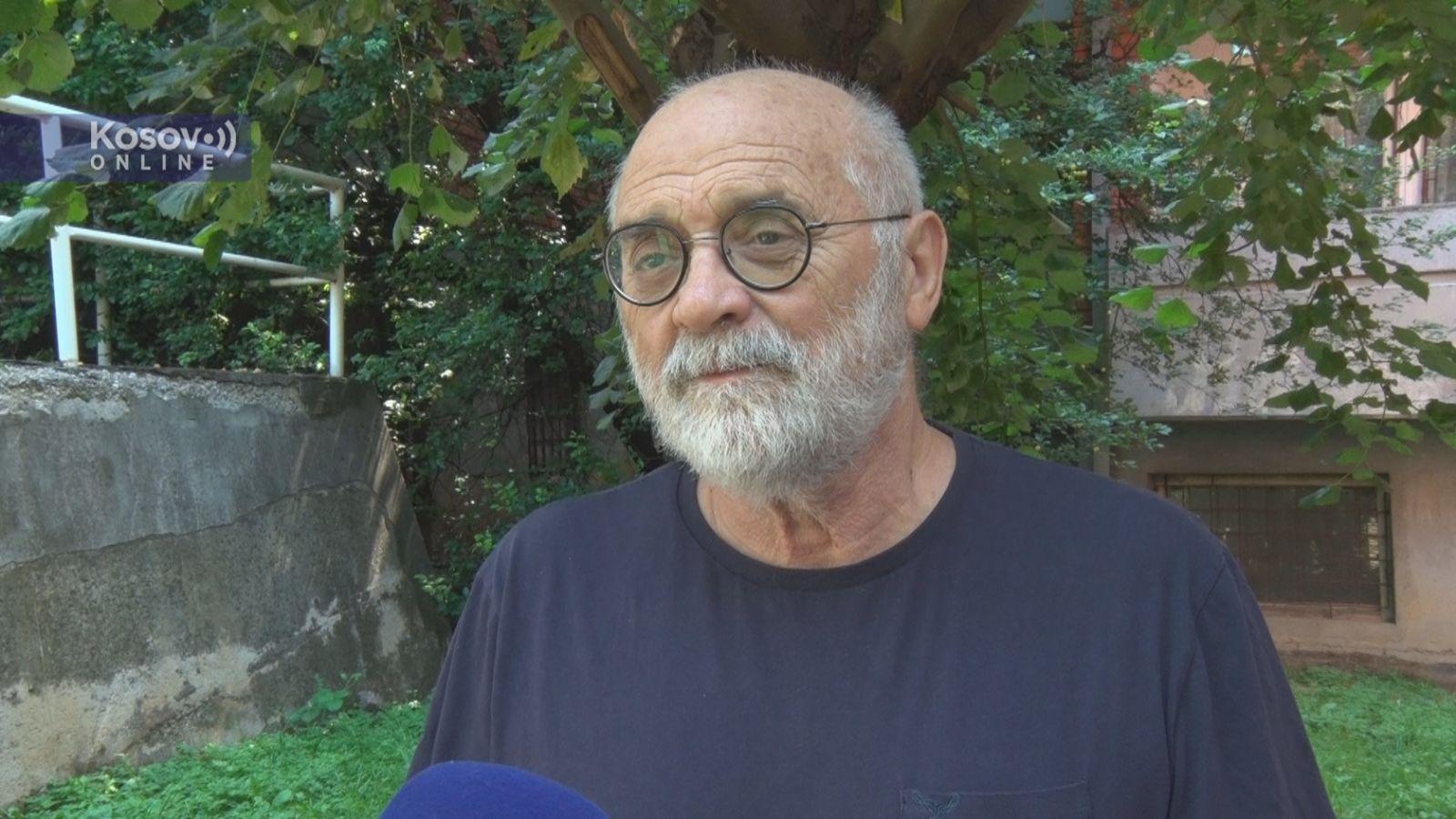
He adds that the Kosovo government wants to block the dialogue process through small crises, and that what really "hurts" Kurti is the CSM, which he does not want to form, because after every proposal for the Union, he made some new demands. Maliqi emphasizes that it is in Kurti's interest to block the dialogue.
"In every respect, the help of the international community was very important for Kosovo, from the formation of the administration, to infrastructure projects. The municipalities in Kosovo always do something with the EU. Now it has been ignored, as if the municipalities can do these projects themselves from their budget. "The entire infrastructure has been renovated or made new with the help of foreign funds. As for the army and many other investments, Kosovo is dependent on foreign funds, because it does not have its own budget to be able to create a legal state," our interlocutor points out.
He has no doubt that the Kosovo government is geostrategically in the car.
"They don't understand what's happening, they didn't even understand the crisis in Ukraine, they think that Russia and Serbia should be condemned along with it, and the West is interested in having Serbia in its sphere. Serbia is now an oasis, surrounded on all sides by NATO member countries, the Serbian army has excellent relations with NATO. The doctrine is that Serbia is a neutral country, but on the issue of Ukraine one cannot remain neutral, Serbia has often voted for many resolutions condemning Russia's aggression, but on the other hand, due to economic and traditional relations, it wants to maintain good relations with Russia, which is almost impossible," he points out.
He believes that the EU and the USA do not take Gervalla's statements so seriously, he states that the sanctions against Kosovo were foreseen for other reasons, so he does not believe that they can deepen them now because of the statement.
"If anyone is naive, it's Gervalla. Everyone who had objections to the Kosovo government is told that they don't know Serbia and don't know what the situation is like in Kosovo, like Blinken and Rama. And the demands of the EU and the US are very simple, to de-escalate situation, remove the mayors and organize elections. It is very difficult to gain the support of the friends that Kosovo has had for the last 30 years, with such measures it only compromises itself and loses its traditional friends. The opposition has woken up a little for the first time, there is a possibility that it will overthrow Kurti's government, because it is short-sighted and destructive," emphasizes Maliqi.
He indicates that American diplomats are cautious, that they send signals and warnings that this is the wrong path and that sanctions will follow and "always separate the people of Kosovo from the government".
"Although Kurti says that the measures are temporary, and that he has the constitutional right to make moves in the north, he must understand that he has to change his policy. It is important to re-establish order and peace, in order to reach that great political agreement on normalization that is supposedly accepted by both sides, but it remains to be implemented," says Maliqi.


0 comments