
The importance of the Serbian Orthodox Church in Kosovo: Who is bothered and why?
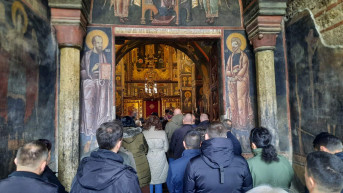
The Serbian Orthodox Church is the beginning of every system in Kosovo, and today in Kosovo it is one of the sources of life, according to writer and journalist Zivojin Rakocevic, while the film director, Dragoslav Bokan, states that in certain periods of history, the defeat and capitulation of the Serbs in those areas would have been almost certain if there was no Orthodox Church.
Bokan says for Kosovo Online that it is the unity of the church, the people, and the state that have kept the Serbs alive for centuries, and in the periods when the state did not exist in Kosovo, the church and the people succeeded on their own.
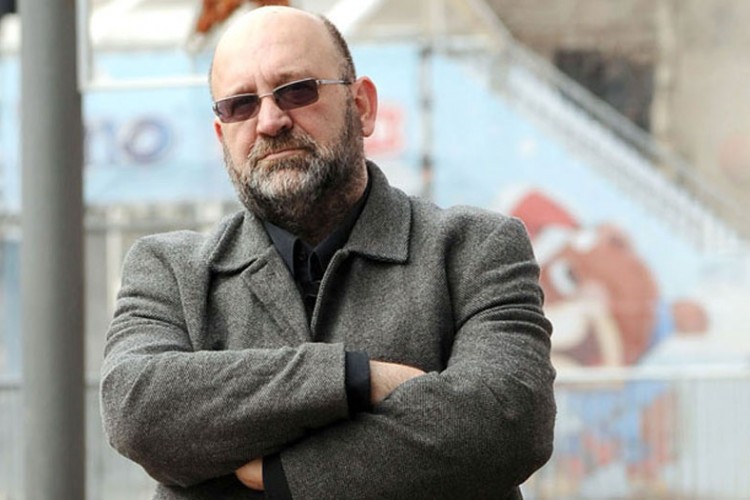
"Kosovo and Metohija, in the sense of the heart of the Serbian state and the core of our homeland, is connected exclusively to the activities of the Serbian Orthodox Church since the time of Saint Sava and his successors until today, with all the churches, residences, monasteries, relics, outside of that Kosovo and Metohija is one of the parts of Serbia that is in the constant state of destruction and confiscation of territories from 1995 to 1999, and onwards: Without the Serbian Orthodox Church, we cannot understand the importance of Kosovo and Metohija, nor all that Kosovo and Metohija represents for us," Bokan said.
He states that in certain periods of history, there would almost have been a certain defeat and capitulation of the Serbs in those areas if there were no bishops, priests, and, in certain periods, Serbian patriarchs.
In this sense, he reminds that the Patriarchate of Peja took over from the Eparchy of Zica long ago in the first half of the 13th century the main role of a spiritual center for the gathering of the Serbs.
According to his words, it lasted and lasts until today, with of course "terrible periods of many centuries with the Turks and under the communists".
Bokan states that it was worse during communism because Muslim Turks believed in God, unlike the communists. As he recalls, the communists took away the land from the monasteries and gave them the powers of the republic in the first Constitution, while in the Constitution of 1974, they also removed "Metohija" from the name of the province in order, as he says, to try to forget the word "metoh", which meant land or property owned by a church or monastery.
He also adds that the Serbs, for the sake of Yugoslavia, made many mistakes between the two world wars.
"For the sake of Yugoslavia, we suppressed our Serbian identity and religion, we made mistakes between the two world wars for the sake of Yugoslavia, for which the Yugoslav king paid with his head," he adds.
Since 1990, the Serbian Orthodox Church has returned to its true importance, which it has for the people, but also in the Serbian state, says Bokan and states that since the Serbian state and the church have existed, relations have never been better than today.
In this sense, it indicates that we have a president who not only kisses the hand of the patriarch, but also bishops, to build churches, but also that the state leadership consults on national issues with church ones.
He believes that the Church is largely responsible for keeping Serbia in "painful talks" with Pristina.
When it comes to the importance that the Serbian Orthodox Church has in Kosovo today, Bokan says that the unity of the people, the church, and the state is exactly what has sustained us for centuries.
When asked if the importance of the Serbian Orthodox Church bothered and to whom, Bokan states that it bothers all the enemies of Serbia and the fact that Kosovo is not independent, for the reason that, as he says, "a tree without roots is easy to break."
Writer and journalist Zivojin Rakocevic tells Kosovo Online that the Serbian Orthodox Church is the beginning of every system in Kosovo and Metohija.
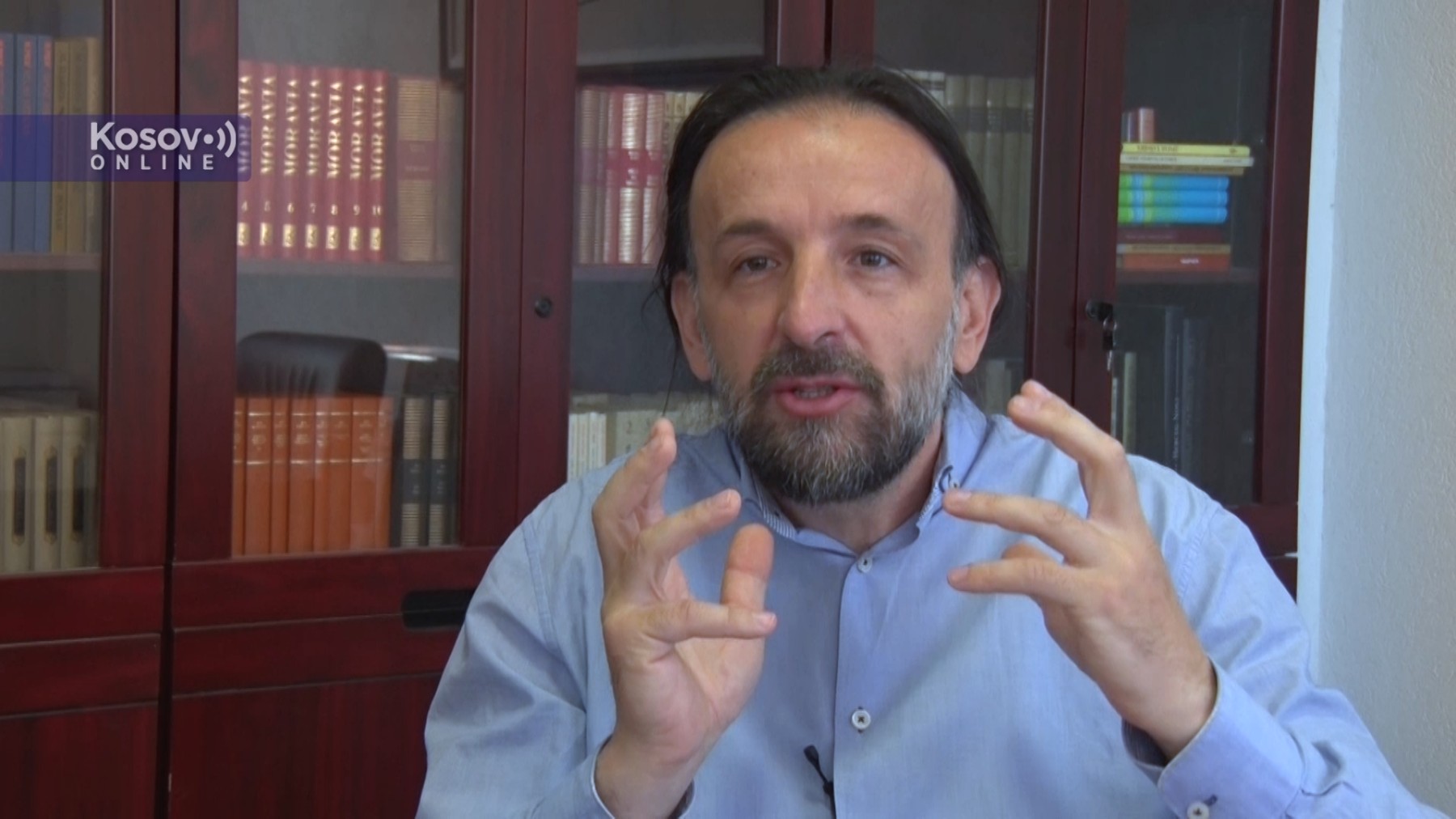
"The autocephaly that Saint Sava received only made official, what would be called today, the reality on the ground. In the Hvostan’s or Raska Eparchy it is clearly visible. The most important and successful expression of our spirit, culture, and statehood spoke through the Serbian Orthodox Church in Kosovo and Metohija,” Rakocevic said.
He adds that even today, when everything seems to have disappeared, in the caves on the slopes of the Albanian Mountains, Sar Mountains, or in the forests of Drenica, one can come across a fresco of exceptional beauty, on the walls of temples that will always say - I am the Church.
Stating that there are two opinions in the public and life about what the church is, one says that the church is a divine-human entity, and the other that it is a religious institution.
"For the area of Kosovo and Metohija, the Serbian Orthodox Church is the balance of the relationship between God and man, and that is why it managed to survive the abolition and destruction. Its importance has never ceased, and even when it was officially abolished by the occupiers and empires, it was perceived as original and the first center of our spirit, culture, and statehood," he said.
He indicates that when you look at the letter and the attitudes of the metropolitans of Cetinje, including Njegos, it is clear that their origin is in Kosovo and that they will return to it.
Everything dedicated to the future and resurrection cannot be extinguished, says Rakocevic and adds that this is why Kosovo survived.
Today, the Serbian Orthodox Church is one of the sources of life in Kosovo, he points out and adds that bombings, pogroms, and violence constituted ghettos in which there was a symbiosis and a new balance in the relations between the church and the people and that they became one entity.
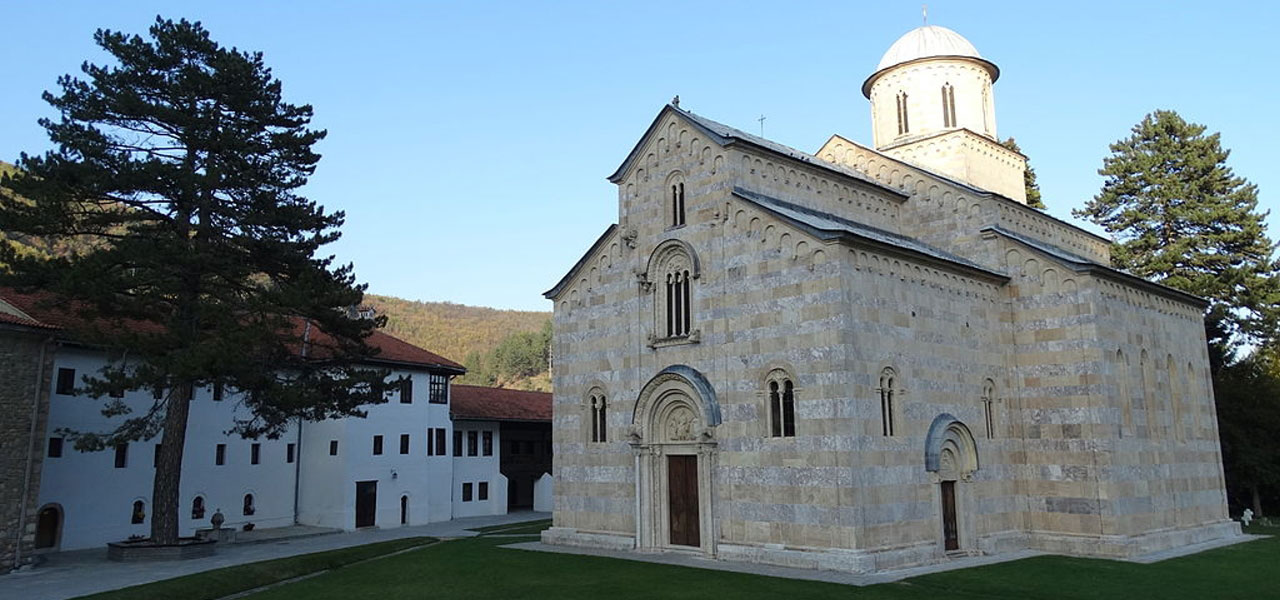
"A peasant from Gorazhdec, Belo Polje or Osojan, when he goes to Decani or the Peja Patriarchate, he knows his whole life, what his mission is, what his city is, where his values are and where his freedom comes from. A foreigner concluded that the Serbian soul is trapped in an Albanian body. if that is true - and to a large extent it is - Albanians are forced to hide a good part of their soul. It is big, one would say spiritual problem," he stated.
Rakocevic adds that on the other hand, the existence of the Serbian Orthodox Church is also a testimony to the truth, the Christian character of the area, European cultural values, possession and ownership of Kosovo's most valuable treasure and that is why the church is systemically threatened from a lone priest to a UNESCO monument.
"Despite everything, its age-old focus on life, the future, and the resurrection will survive even this extremely hostile system," Rakocevic concluded.

0 comments