
Kurti in self-isolation: Why is the Prime Minister of Kosovo rejecting Edi Rama's invitations as a part of the Berlin process?
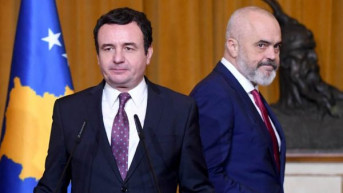
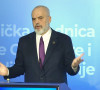
Kosovo Prime Minister Albin Kurti continues with moves that lead to political isolation, and his refusal to participate in yesterday's meeting in Tirana within the framework of the Berlin process indicates that his deteriorating personal relationship with Edi Rama is moving into a phase of complete communication breakdown. Kurti obviously does not tolerate criticism on his account very well, especially those coming from the "competition" from Tirana, according to the interlocutors of Kosovo Online.
Kurti did not travel to Tirana because, as he explained, of his participation in an international symposium of leftists in Greece.
Paradoxically, this is the second time in a short period that Kurti, as a fierce opponent of the "Open Balkan" and one of the biggest advocates of the Berlin process, refuses to participate in meetings related to this initiative. A week ago, Edi Rama organized a two-day tour of the capitals of the region in order to prepare for yesterday's summit in Tirana, and in connection with the continuation of the Berlin process in October. The Albanian Prime Minister said that "there is nothing more absurd" than the fact that in the part of the report on preparations for the summit, the part regarding Kosovo would remain "blank".
Political analyst and sociologist Artan Muhaxhiri says for Kosovo Online that the "naive personalization of the problem" and dramatization of personal intolerance between Kurti and Rama, which is projected negatively on Kosovo's role in the Berlin process, is absolutely unacceptable.
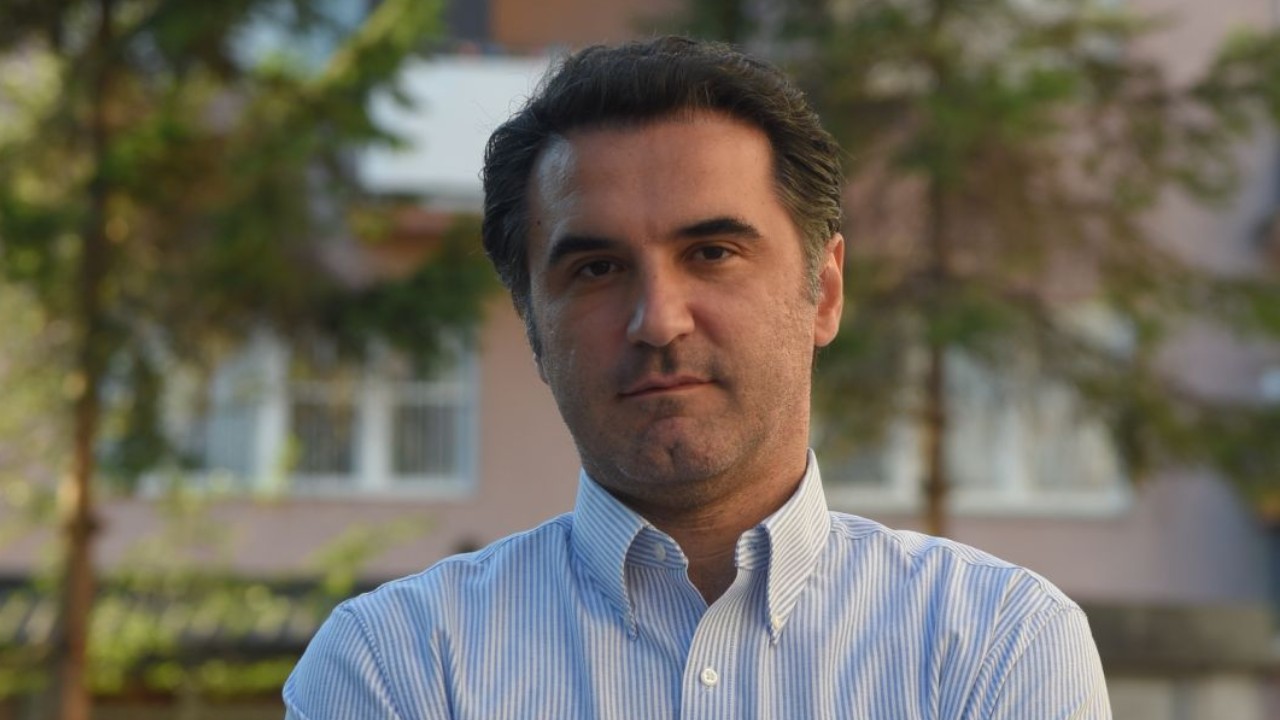
"Albania was chosen by the EU as the organizer of the next summit of the Berlin Process in October, so it is a mistake to identify this meeting only with Prime Minister Rama. This behavior also represents a very problematic signal to future European projects for the Western Balkans, because this blocking style of action multiplies the obstacles that are already large. Every absence of Kosovo at such meetings harms the European perspective and deepens the factual and symbolic isolation, strengthening the image of a rigid government that constantly loses friends and creates enemies," Muhaxhiri points out.
He points out that Kurti has a special approach towards the international community, adding that the Kosovo Prime Minister wants to ideologically change the rules of the game that applied to previous Kosovo leaders, establishing himself as a key politician who decides on geostrategic and geopolitical projects for our region.
"Sometimes he is not so accepting of the many complexities of the delicate multi-level agendas, but he aims to impose his ideas regardless of - and often in opposition to - the long-term plans of the major powers - the US and the EU. The main reason why the EU applied punitive measures against Kosovo was to show the main actors - Kosovo and Serbia that the lack of a constructive approach will not be tolerated. Kurti comes very close to the red lines but decides to turn around at the last moment. This happened in Ohrid with the acceptance of the Community, and also in Bratislava regarding the necessary steps for de-escalation in the north," our interlocutor says.
Slobodan Zecevic from the Institute for European Studies tells Kosovo Online that, firstly, Kurti has nothing to ask for in the Berlin process, given the moves he has been making in recent weeks, including the ban on the entry of Serbian goods into Kosovo.
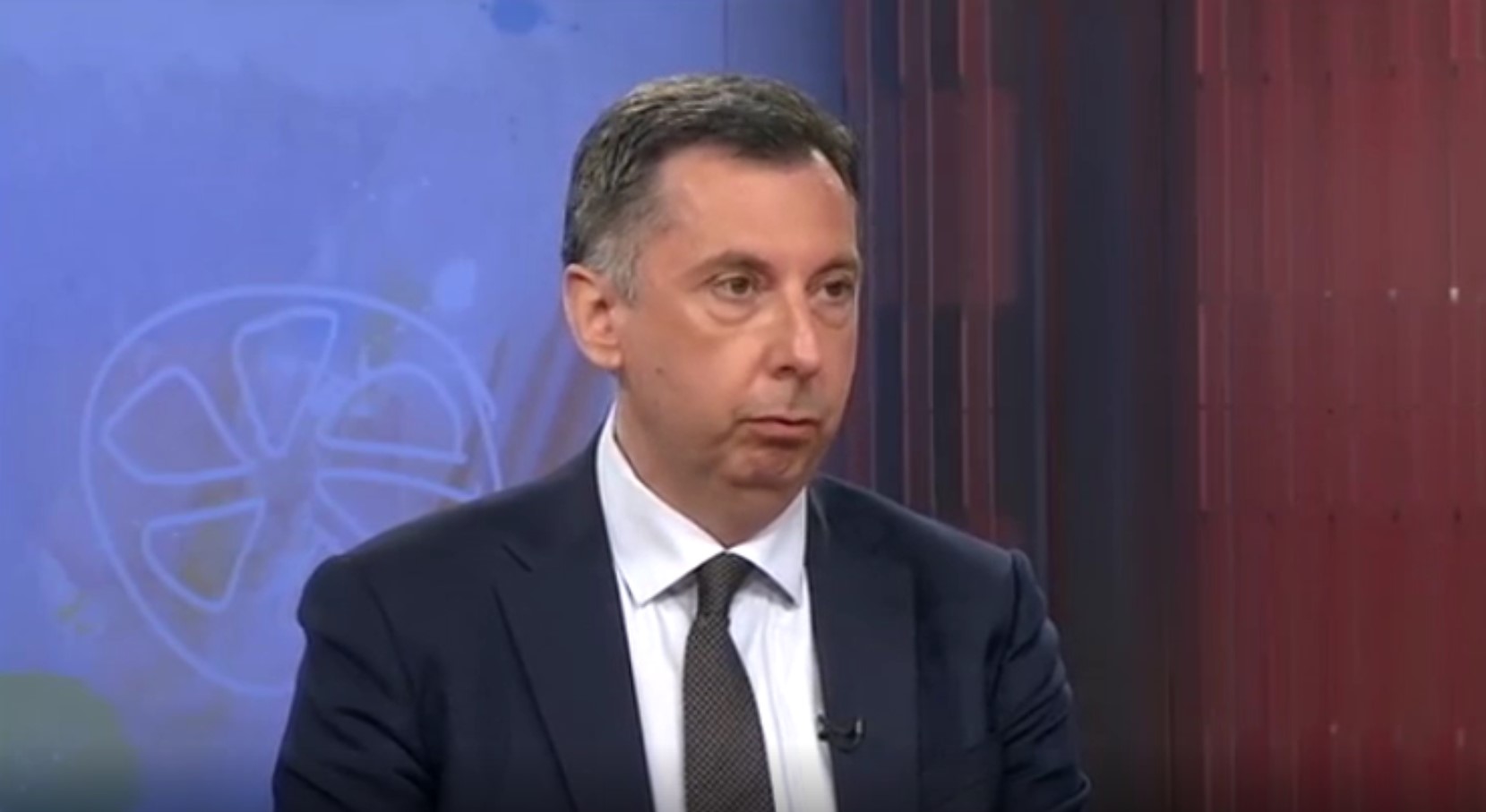
"Kurti violates the basic principles of the Berlin Process, which are the freedom of movement of goods, people, and capital and the free provision of services. Objectively speaking, when you look at the basic principles of the Berlin Process, Kurti is a champion in violating them. When it comes to the summit in Tirana itself if Kurti is on bad terms with Rama, that must have influenced him not to come to that meeting. However, the bottom line is that Kurti simply thinks that violence can solve the problem in Kosovo, and for him, the biggest problem is the Serbs in Kosovo. He probably thinks that he can do it with violence; that he doesn't need anyone else and that he doesn't have to participate in those processes that strive precisely to create relations between the Western Balkan countries, at least economically, that exist within the European Union, to completely liberalize that area," Zecevic states.
He adds that Kurti is clearly disinterested, has conflicts with Rama, and violates the principles of the Berlin process anyway, so probably all of that together was the motive for the Kosovo Prime Minister not to attend the summit in Tirana.
"However, objectively speaking, it harms the Albanians in Kosovo. But it is his choice and the choice of the Kosovar Albanians when it comes to Kurti. I don't know how much they support him at the moment, he is also facing a lot of pressure at home," our interlocutor says.
He indicates that Kurti has an autistic policy.
"He does not adhere to the Brussels Agreement; he does not try to implement it in any way; he ignores the requests of the US and the EU to de-escalate the situation in the north; he violates the principles of the Berlin Process. In this sense, it may not be a bad thing that he was not in Tirana because he doesn't respect anything and you can't talk to him anyway. After all, he is in conflict with the leadership of Albania, which is a very interesting position for Kurti, who is seemingly alone against everyone," Zecevic says.
When asked if Kurti's autistic policy might have been supported and advised from the outside, by some of Kosovo's allies, or if he had started to lose his "political compass", Zecevic says that he has the impression that the Kosovo Prime Minister has the support of the West to the extent that "The West does not seem to want to leave the Albanians in the lurch, at any cost".
"I think that to this extent Kurti has support, in the sense that the West will not give up the Albanians in Kosovo and that project of an independent Kosovo, which in itself is a 'garden neither in heaven nor on earth'. And if they succeed in that project, surely Kosovo will unite with Albania, I'm afraid there is no question of Kosovo existing as some multi-ethnic environment. An independent Kosovo will be cleansed of the Serbs and annexed to Albania. That is the plan of the Albanians. So Kurti enjoys that support to the extent that the West will not abandon the Albanians and the project of an independent Kosovo. Although I think that the West has also become aware that they cannot go far with Kurti in terms of looking for a solution to the crisis in the north," Zecevic says, and adds that they are not letting Kurti down the drain yet, because that project "grew to their hearts".
For now, the West has applied a series of punitive measures due to the refusal of the authorities in Pristina to de-escalate the situation in the north, which has isolated Kosovo both politically and economically to some extent. Bilateral meetings with Western officials have been suspended, and Kosovo has been denied access to EU funds, while some countries have suspended cooperation with Kosovo in various areas, including security.
For the professor of International Law, Afrim Hoti, there is no doubt that Kurti's decision not to go to the Tirana summit was wrong. He emphasizes that it is certainly not in the interest of Kosovo. He points out that the meeting in Tirana is very important, that it is a "precursor" to the next meeting within the Berlin Process, an initiative that was launched in Berlin and which aims at economic empowerment of the region and solving problems for the benefit of everyone in the Western Balkans.
"Kurti's decision not to go to the summit is, in my opinion, wrong. The meeting in Tirana is very important. All the prime ministers of southwestern Balakn were there, and I think it would have been much better if the Kosovo Prime Minister had also been there," Hoti says.
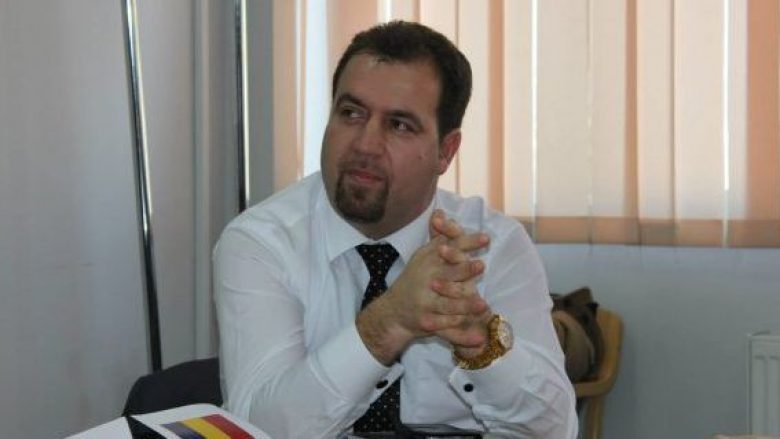
He points out that in this case, Kurti has obligations primarily towards Kosovo, because if "the Prime Minister is not here, it means that Kosovo is not here".
“I repeat that I think it is not in the interest of Kosovo that we do not have representatives at such important meetings. Kosovo and its institutions should be everywhere and at every moment where a dialogue or something related to the region is organized. Kosovo simply has to be present at such events, that is, its interests are represented by those who have been chosen to work for it," Hoti tells us.
The editor of the Kosovo television ATV Teuta Arifaj reminds that this is the second time that Kurti has not seen Rama in a short period, because their meeting did not happen even during the recent visit of the Albanian Prime Minister to Kosovo.
"In the case of the summit in Tirana, Albin Kurti behaves more like Kurti than as a Prime Minister. On the other hand, Rama has already behaved several times contrary to what the Albanians in Kosovo, including the Kosovo government, expect from him. Several times he already had very critical views on Kurti, he interfered in the internal affairs of Kosovo, without coordination with Pristina. So, in a way, I could justify Kurti, although I think that these relations between Kosovo and Albania are unjustified," Arifaj says.


0 comments