
What bothers Pristina the most about the CSM, jurisdiction or the fact that it is "Serbian"?
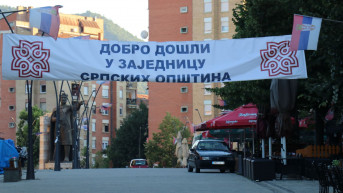
The most common complaint of Pristina politicians about the Community of Serb-majority Municipalities, which has been an unfulfilled obligation from the Brussels Agreement for more than 10 years, is that it "cannot have executive powers", however, according to the opinion of the interlocutors of Kosovo Online, Pristina is bothered by the very concept of the Community and that is "Serbian".
The persistent refusal to form the Community of Serb-majority Municipalities even after 10 years since the signing of the Brussels Agreement brought to the surface the question of what is bothering the Albanian side in Kosovo so much that they have completely blocked the process of dialogue and normalization of relations with Belgrade.
The statements of Albin Kurti and other most important Albanian politicians, according to analysts, say that self-government for the Serbs in Kosovo is considered by Albanians as a "betrayal of national interests", and the frequent association with Republika Srpska in Bosnia and Herzegovina shows that the word "Serbian" is the biggest problem.
According to the Draft Statute of the Community of Serb-majority Municipalities presented by the Serbian side on May 2 as part of the dialogue in Brussels, the CSM should perform tasks in the areas of economic development, education, primary, secondary and tertiary health and social care, and urban and rural planning. Among other things, as stated, it especially took care of strengthening local democracy, improving the living conditions of returnees, improving and developing culture and protecting cultural heritage, improving, preserving, and using agricultural and forest land, road traffic, and passenger transportation in local traffic, sports development, environmental protection, and disaster risk reduction.
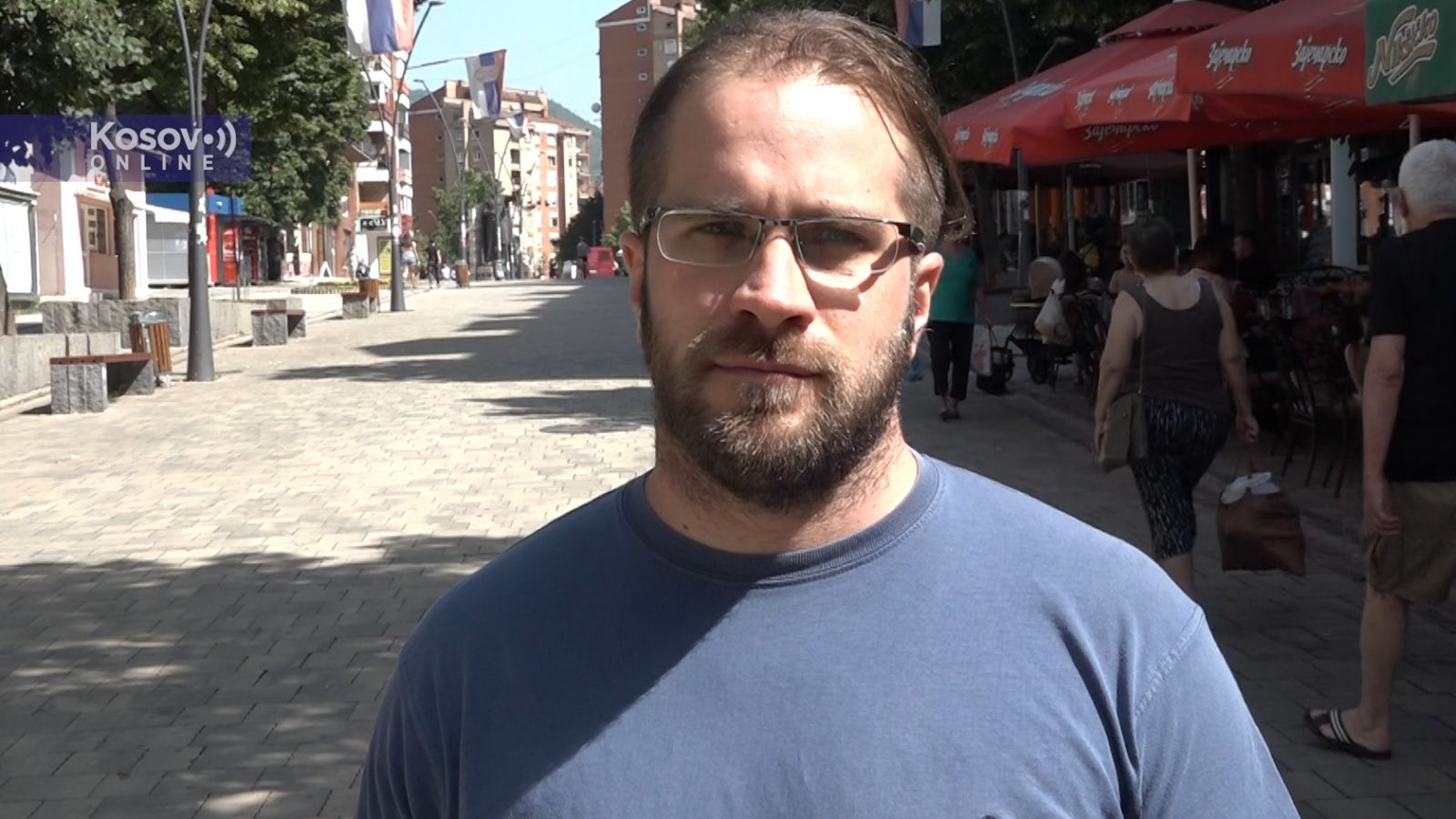
Political analyst Ognjen Gogic assesses for Kosovo Online that Pristina has more than the competencies that the Community of Serb-majority Municipalities would have, its very concept bothers it, because, as he says, it is associated with some kind of internal autonomy of the Serbs, reminds of some form of creating an entity or a third level of government, and what is most problematic for them is that that entity would bear the adjective "Serb". This, he believes, is in itself frightening and unacceptable for them.
As he explains, the Community would centralize and unify the responsibilities of the municipalities that were already given to them by the laws and the Constitution of Kosovo.
"If the municipalities agree to that, then there is no reason for Albin Kurti to have a problem because the Community would not take over some responsibilities that the central authorities have, such as the police, the judiciary..., it would not be able to prevent the decisions of the central authority on the territories of the municipalities, but the responsibilities that municipalities have already coordinated and centralized. They are bothered by the very thought that the Community would have the authority to implement decisions in the municipalities that make up the CSM, and the powers would be in the areas of health, education, economic development, and urban and rural planning. Therefore, the Community could not revise the decisions of the central authorities; it would not be able to interfere in what the central authorities are doing on the territory of the whole of Kosovo. If a law is passed, the Community cannot prevent its implementation," Gogic says.
He indicates that the biggest complaint of the Kosovo Constitutional Court is that the CSM violates the rights of local self-government if it were allowed to change a decision of local self-government.
"That should bother the Serbian side more than the Albanian side", he says and adds that if the CSM were to be the guardian over the municipalities, why would it bother Pristina because "the price would be paid by the people who live in those municipalities".
"When the Constitutional Court said that the Community was not in accordance with the Constitution, it had been referring to the fact that the CSM could not take over the powers of local self-government, but could only be an addition. It would be best for Pristina to let the Community be formed and that the Serbs see for themselves what suits them better", according to our interlocutor.
After the last round of dialogue, where the draft of the CSM Statute was presented, unofficial information appeared that Pristina was bothered by the article stating that the CSM would have an anthem, a flag, and a coat of arms, and Gogic says that the municipalities already have the rights to their symbols - on the coat of arms and other symbols.
"It is crazy to question why something that the municipalities can already do, the Community would not do. Kurti is right, from his point of view, it would contribute to strengthening the identity and greater cohesion of the Serbs in Kosovo, it would strengthen the identity of the Serbian community in Kosovo, and that is a problem for him, otherwise, those symbols are not controversial in themselves," he says.
The draft of the CSM Statute also foresees that the Community manages the public property, and public goods, i.e. natural resources, and as speculated, this is also a thorn in the side of the Albanian side. Gogic, however, believes that the Community could establish some companies and that there is no reason for this to be disputed.
"The powers and competencies of the Community are as broad as the competencies of the municipalities. It doesn't have to bother Kurti because it should rather bother the municipalities. The Community could not take anything from Kosovo, it could only appropriate what was already given to the municipalities by the Constitution and laws in Kosovo," he added.
And political analyst Predrag Rajic from the Center for Social Stability tells Kosovo Online that Pristina does not mind the specific powers of the CSM, but the very concept of the Community.
"Kurti is a political extremist who, since his opposition days, has held the view that any political self-government for the Serbs in Kosovo and Metohija is tantamount to betraying Albanian national interests. He is not at all ready for any kind of compromise, concession, or agreement. That's why I wouldn't say that this is a matter of a specific authorization of the CSM, which is disputed for him because that would mean that he is in principle in agreement with the CSM," Rajic says.
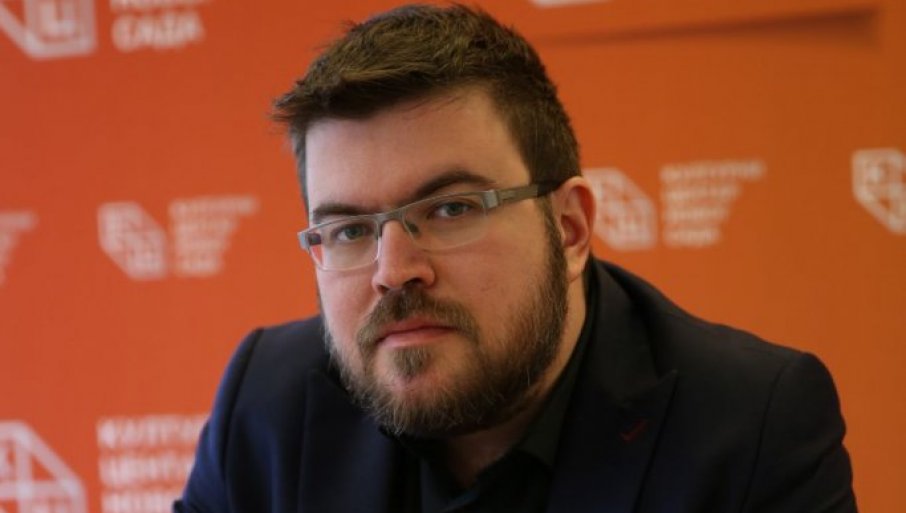
He says of Kurti that he "raised the ladder of national chauvinism very high for himself, so he blames the Kosmet Serbs and official Belgrade for all the problems that the Kosmet Albanians have."
If we are talking about what generally bothers the Kosovar public about what the CSM should have within the scope of its powers, Rajic says that he is absolutely sure that none of those who criticize the CSM have even read the Statute proposal in detail.
"There is a toxic situation, in which the CSM is presented as the new Republika Srpska, because of which Kosovo would also be dysfunctional, so the CSM should be prevented. Also, it is probably considered an unnecessary concession. In their public opinion, the attitude that the Serbs should not get anything because they are the defeated side is reflected. The only way for Pristina to enter into negotiations with goodwill and to accept the CSM in principle is to be forced to do so by the EU and NATO members, and Washington has the biggest controlling package of actions here," Rajic concluded.
Otherwise, the proposed draft of the CSM Statute, among other things, provides that the Community proposes a Regional Police Commander for the region consisting of four municipalities - North Mitrovica, Zvecan, Zubin Potok, and Leposavic, as well as that the Community Assembly can call for a referendum on issues within its jurisdiction on its own initiative.
0 comments