
Naumoski: Inflation is the result of accumulated crises
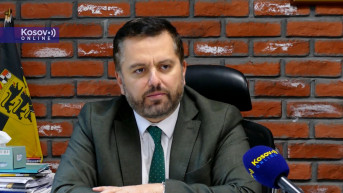
Sinisa Naumoski, a member of the management board of Heidelberg University in Skopje, believes that the renewed rise in inflation in the Western Balkans, including Macedonia, is the result of successive global crises, from the pandemic to the conflict in Ukraine, the Iranian-American conflict and the energy crisis. Residents of Skopje acknowledge that wages have increased, but not enough to stop them from having to pay attention to what they buy and how they shop.
“We are dependent on imports, and all external pressures primarily translate into inflation, while citizens' living standards bear the brunt. That is why the IMF forecasts an inflation rate of four percent for Macedonia. Most importantly, it does not expect inflation to fall quickly. I do not want to create a negative impression, but it is important that we are honest with the public,” he told Kosovo Online.
Naumoski said that the Macedonian economy grew by between 3.2 and four percent in the first half of the year, but citizens had not felt the effects of that growth.
“Our collective outcry as citizens is justified, because, as I said, inflation is putting pressure on people on the one hand, while global problems are also creating pressure on the countries with which the Macedonian economy has the closest ties, such as Germany and other EU member states. Germany is by far the most significant, with trade between the two countries exceeding 35 percent,” he added.
Naumoski warned that the global economy was not improving, citing mass protests in France, Italy and even Albania. He also pointed out that government support measures for citizens were largely linked to electoral cycles.
“We do not need to be experts to conclude that decisions might be made after the second budget revision, with elections scheduled for next year. I do not think that is a good thing. Every economy needs regular elections or predictability. That is my view, although the opposite may happen,” he added.
Residents of Skopje are divided over whether prices are rising. While some complain about high food prices, others say this happens every year around this time.
“Well, I can tell you that, as far as I can see, everything has stayed in the same place. Neither more expensive nor cheaper,” one Kosovo Online interviewee said, while another added that “the market is expensive.”
They described the authorities' measures as “all wind and smoke.”
“You can see that things are more expensive than before. They are more expensive. Our incomes have been increased now, but not enough for people to feel truly comfortable shopping without having to watch what they spend,” the Kosovo Online interlocutor concluded.



0 comments