
Loiseau: Negative language of Self-Determination against the media and judiciary, Grenell's criticism of Kurti an undiplomatic move
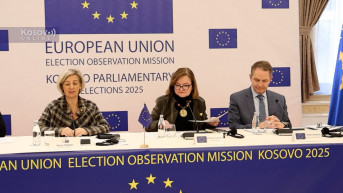
Nathalie Loiseau, the head of the EU Election Observation Mission in Kosovo, stated today that the electoral process proceeded peacefully, but also noted the use of negative language by the ruling party against the media and judiciary. She also remarked that the criticism of Kurti by Richard Grenell could be characterized as an undiplomatic move.
Loiseau mentioned that the elections were conducted smoothly without any major incidents.
Nathalie Loiseau, the head of the EU Election Observation Mission in Kosovo, has reported that the elections in Kosovo were conducted in a peaceful manner, allowing voters to cast their ballots under favorable conditions, which she sees as clear signs of Kosovo's commitment to democracy. Despite the smooth electoral process and lack of major incidents, she highlighted several concerns.
Loiseau noted the campaign was competitive but marked by polarization and deep divisions, evident in the harsh rhetoric and unequal playing conditions between major parties and smaller ones from minority communities. She also mentioned operational challenges faced by the Central Election Commission (CEK) in terms of staffing, counting, and procurement, emphasizing the need for full transparency.
Furthermore, Loiseau pointed out the complications arising from the Independent Media Commission's stagnation, which exacerbated the situation. The Election Complaints and Appeals Panel dealt with numerous complaints cases, demonstrating readiness to make decisions and penalize political entities. However, the CEK found itself entangled in political disputes and politicized certain technical aspects of the election process.
Loiseau criticized attempts by CEK members, proposed by the Self-Determination Movement, to prevent the certification of the Serb List and block the disbursement of public funds to political parties, which put significant pressure on the institution. She observed the use of inflammatory language during rallies, debates, and negative language by the ruling party against the media and judiciary. While the media provided equal time to all parties, not all accepted this offer. The campaign atmosphere in areas with a Serbian community was subdued, with numerous reports of pressure from Serb List members on voters and interference from Serbia. During the campaign, Richard Grenell was noted for his criticisms of Kosovo Prime Minister Kurti on social media, which could be described as an undiplomatic process.
Loiseau emphasized that the EU Mission would remain in Kosovo until the conclusion of the electoral process and affirmed the Mission's complete independence.
Marta Temdio, head of the European Parliament's delegation, addressed on behalf of the delegation, commending the peaceful voting process and adding that the electoral competition is a step towards democracy.
Marta Temdio, head of the European Parliament's delegation, highlighted the significance of the electoral competition observed in Kosovo as a crucial step in strengthening democracy. She praised the voters from all communities in Kosovo for peacefully and orderly exercising their right to elect their representatives. The elections, held under a new electoral law, were competitive and featured a dynamic campaign. However, the use of negative language was a particular concern for the observers. They were pleased that 30 percent of the candidates were women, but worried about the voting limitations faced by people with disabilities and those with visual impairments.
Temdio emphasized the anticipation of the establishment of a new parliament.
"We expect a new government that will strengthen the rule of law and implement fundamental reforms, including those related to the EU, and to implement the EU's recommendations. This will send a positive signal to the EU and the world. We await the establishment of a new parliament in Kosovo that will oversee the executive authority and ensure transparency. The European Parliament will closely monitor the appeals process, and today we reaffirm our commitment to the democratic aspirations of the people of Kosovo," stated Temdio.
The observer mission has released a preliminary report on the elections in Kosovo, and a final report, which will include a set of recommendations for future elections, will be presented and shared with interested parties two to three months after the completion of the electoral process.
0 comments