
How much will Kosovo as a campaign topic influence the results of the upcoming elections in Serbia?
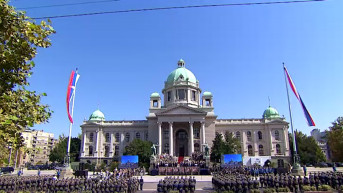
"The challenges associated with resolving the Kosovo issue represent one of the key themes in this pre-election campaign, shaping fundamental differences on the domestic political scene in Serbia. Considering that the pressures from the Western political sphere have significantly increased and that the policy of Albanian extremism towards the Serbs in Kosovo is becoming more pronounced again, it is to be expected that voters will largely determine their decision when they go to the polls on December 17 in line with what parties offer or do not offer as their Kosovo policy".
Edited by: Milos Garic
The pre-election campaign in Serbia is entering its final phase, with parties sending key messages and engaging in research on current support percentages. While some of the most vocal opposition parties and coalitions, especially those with a pro-Western or civic orientation, seem to deliberately avoid the Kosovo issue, those on the right-wing attempt sharp criticism of the current Government and its policies, lacking a clear proposal and realistic plan. Nevertheless, Kosovo will undoubtedly largely determine the final result.
The issue of Kosovo is quite delicate. Many have slipped on it in the past 25 years, especially those who wanted to exploit Kosovo for personal or day-to-day political purposes.
There is no general social and political consensus on Kosovo, which is a significant handicap for the state's position in extremely unfavorable global frameworks.
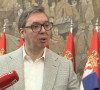
One of the main reasons for this is likely the fact that Kosovo is at the center of interest for influential foreign actors, primarily the EU and the US. Therefore, many on both the 'pro-European opposition' and the 'hard right' sides had hoped that Serbian President Aleksandar Vucic, as the leader of state policy and the head of the Serbian Progressive Party list, would make a mistake that could jeopardize his extremely strong support among the citizens of Serbia.
However, when it comes to Kosovo, the current Government, despite strong external pressures and some expectations from within, has not deviated from its established principles of defending the rights of the Serbs in Kosovo, the country's sovereignty, and respecting valid international documents. As a result, the space for opposition parties to score points on this issue before the elections remains very limited.
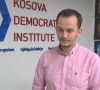
Zoran Panovic, the Program Director of Demostat, told Kosovo Online that when looking at elections in Serbia chronologically, from the establishment of the multiparty system, and even earlier from the late 80s, one could observe a pattern: only Slobodan Milosevic had come to power on the Kosovo issue and essentially had lost power because of the Kosovo issue, which had ultimately culminated in the NATO aggression.
Manipulating Kosovo
“All others who came to power did not do so on the Kosovo issue. For example, in the year 2000, the Democratic Opposition of Serbia (DOS) did not come to power with Kosovo as the primary issue; rather, they came to dismantle Milosevic's system of government and all its consequences. However, DOS leaders Boris Tadic and Vojislav Kostunica ultimately faced Kosovo as the main problem of their rule. Kostunica effectively stepped down from power because of Kosovo, while Tadic lost his foreign policy credibility in Europe over Kosovo, notably during Angela Merkel's infamous visit to Belgrade when Tadic was written off for Europe. In 2012, the Progressives did not essentially come with Kosovo as their primary issue; they won with the concept of dismantling the government, the so-called 'yellow' government of the Democratic Party and its partners. But even now, the government faces a significant challenge, and Vucic as President, and that is Kosovo", Panovic assesses.
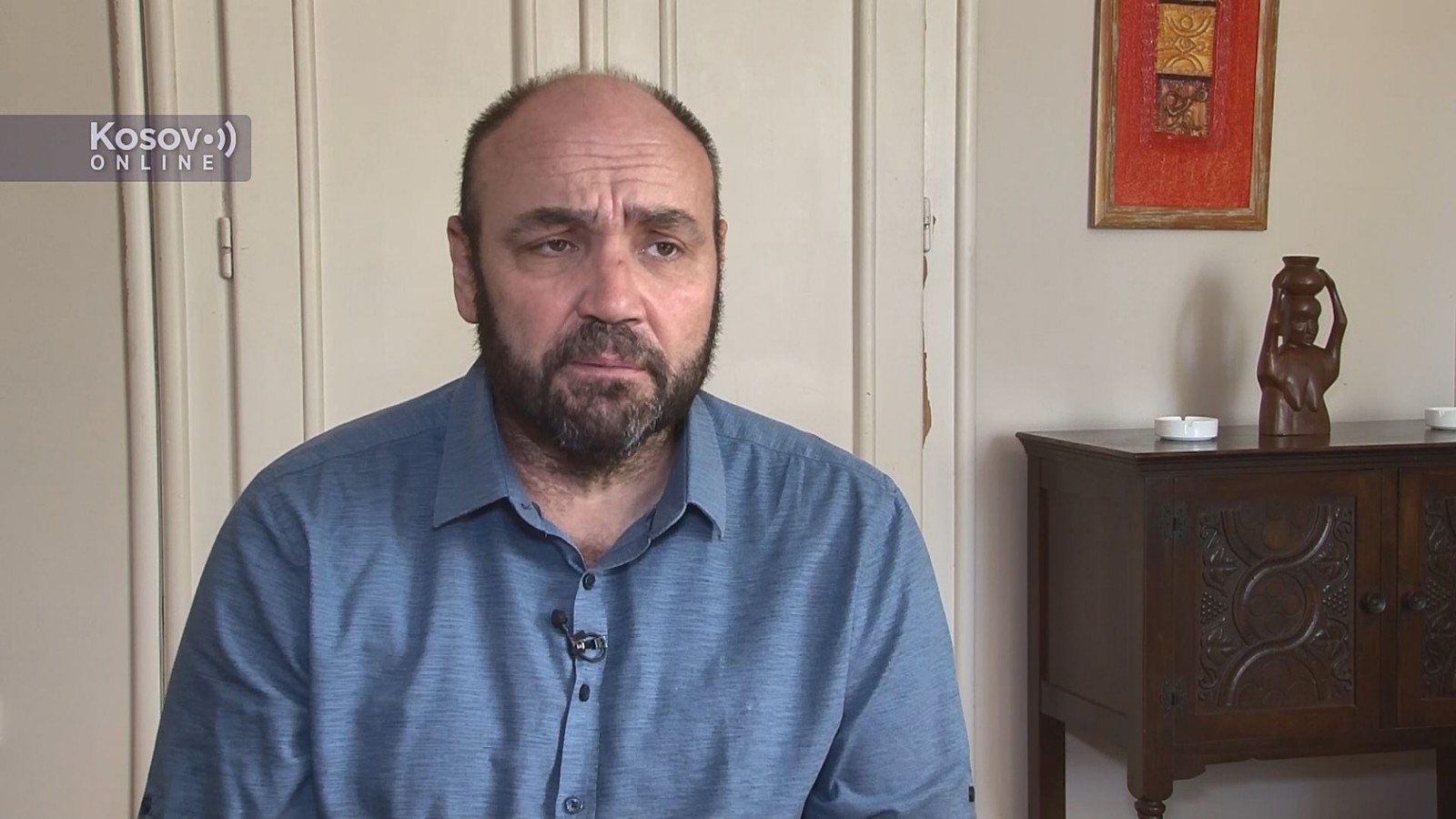
He emphasizes that in Serbia, politics, and society are often divided over the Kosovo issue and that this issue is often manipulated. However, he states that every government in Serbia faces the problem of Kosovo, and there should be no dilemmas about that.
"Also, every Albanian government in Kosovo, whether it was once Enverist, Enverist-Marxist, or now quasi-European, will always have one goal, and that is an independent Kosovo, preferably as ethnically pure as possible. In Serbia, no one should have any illusions about that. Therefore, if Kosovo is mentioned in the campaign, it must be mentioned responsibly, not using it to project certain personal and party interests, which is usually the case when it comes to Kosovo", Panovic says.
In his opinion, Kosovo is not the main topic in these elections, but that does not mean it does not have great potential.
"Public opinion polls show that the citizens of Serbia cite their primary concerns as the standard of living, the economy, children's education, and social security, but Kosovo has enormous emotional potential for Serbs, especially in any crisis situation when there is an escalation of Albanian terror, Kosovo suddenly gains significance in Serbian public opinion. President Vucic has never spoken about some maximalist unrealistic goals; his stance on Kosovo has always been about compromise. A compromise would mean a more realistic policy, a policy that could extract the maximum at a given moment. Anything beyond that would, to some extent, be an attempt at adventurism, as there is an interpretation that there is an attempt to wait for Vucic to stumble on Kosovo, making it easier to remove him from power. These are all small games that do not fundamentally help Serbia", Panovic notes.
He reminds us that Kosovo is essential for Serbia.
"It should be known that any country in the world would hardly cope with the Kosovo problem. It is a problem that destroyed the entire SFRY, which was a much larger and more powerful state than Serbia. Serbia is a small country, but it is unlikely to agree to something that no state would agree to, to recognize the independence of Kosovo. That is truly humiliating. I think the basic lines are precisely that Serbia does not descend to that act of humiliation. At the same time, it is currently impossible for Serbia to regain full integrity in Kosovo, and that is what Vucic constantly emphasizes. As far as I hear, the line has been drawn after Banjska, and for now, there is nothing about the sanctions against Serbia, but that does not mean that the case has been closed; it might just be converted, and after the elections, it could be activated in some other context", Panovic concludes.
A part of the opposition avoids the topic
Stefan Surlic, an Assistant Professor at the Faculty of Political Sciences in Belgrade, told Kosovo Online that it should not be forgotten that the Kosovo issue was constantly significant, not only because of the dialogue process in Brussels but also in determining the direction of Serbia's future domestic and foreign policy.
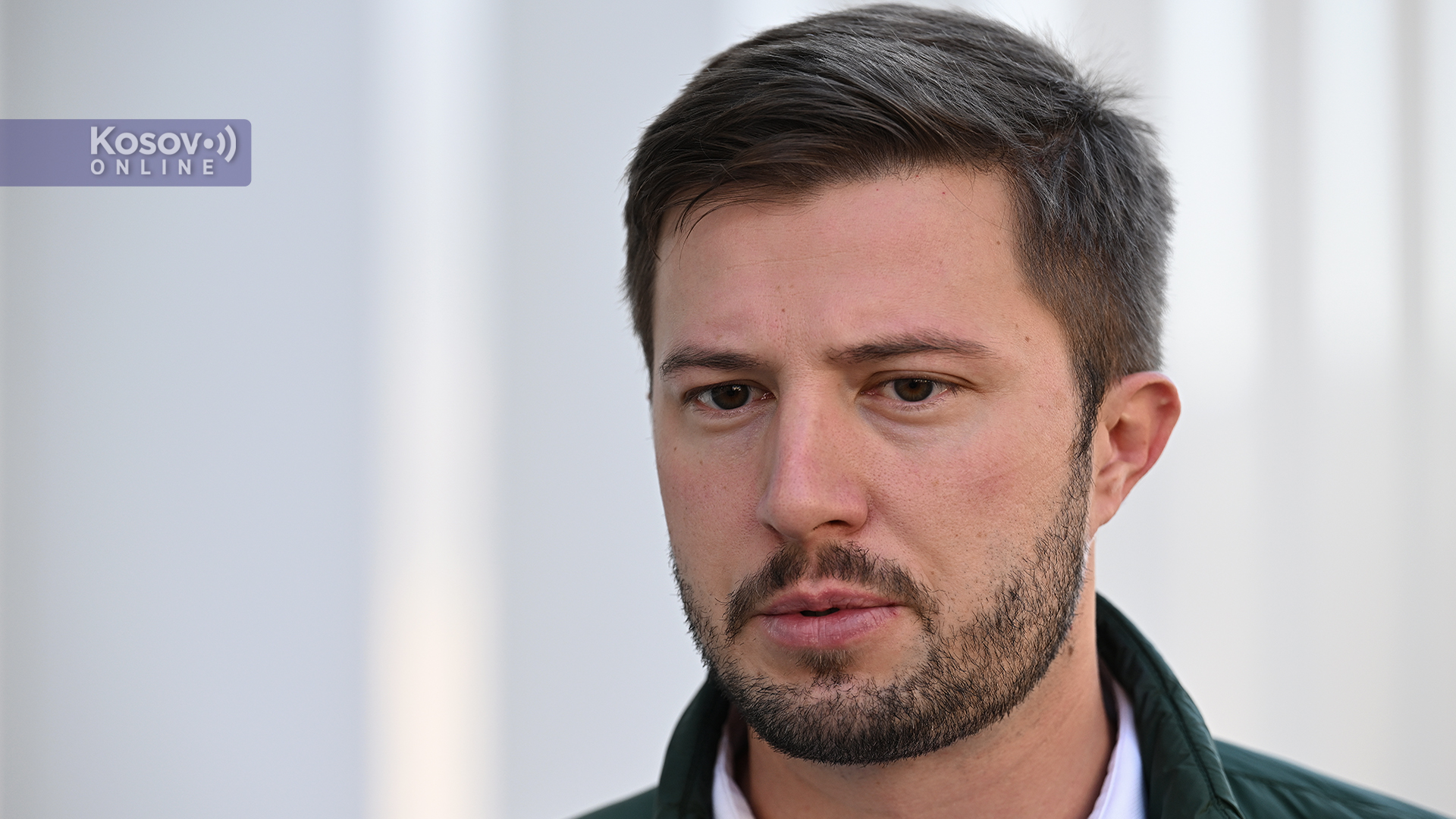
"There is a part of the opposition that avoids the Kosovo issue due to differing opinions within coalitions, while the right wing clearly emphasizes its stance against any agreements proposed by the EU. The ruling option at this moment is the only one responsible for the dialogue process, considering to what extent Serbia can make concessions, but, as they emphasize, without recognizing Kosovo and Kosovo's membership in the UN. The right wing in Serbia will use the Kosovo issue as a central element of its campaign, opposing the implementation of the Franco-German Agreement, while the pro-European opposition will criticize Belgrade's previous policy towards Kosovo", Surlic assesses.
He particularly emphasizes that Kosovo carries emotional weight, which can significantly influence voters' decisions depending on events, especially in northern Kosovo.
"I believe that the Kosovo issue will not significantly impact the election outcome unless there is a serious incident in the field that captures public attention and requires more direct political commitment. Most parties in Serbia oppose the recognition of Kosovo's independence, but there are differences in whether the dialogue should continue or not. However, the majority of political actors in forming the Community of Serb-majority Municipalities see the possibility for the Serbs in Kosovo to finally gain the right to autonomy and protection of their vital interests", notes Surlic.
He concludes that the Kosovo issue largely determines the voters' stance in Serbia towards membership in the European Union and further Euro-integrations. The resolution of the Kosovo issue, as a "final document" in line with Western expectations, is directly linked to Serbia's progress towards the EU.
Greater pressure than ever
Political expert and university professor Dejan Miletic believes that the challenges related to Kosovo and Metohija have proven to be the most important issue around which opinions clash and fundamental differences are created in the internal political scene of Serbia, even in this pre-election campaign.
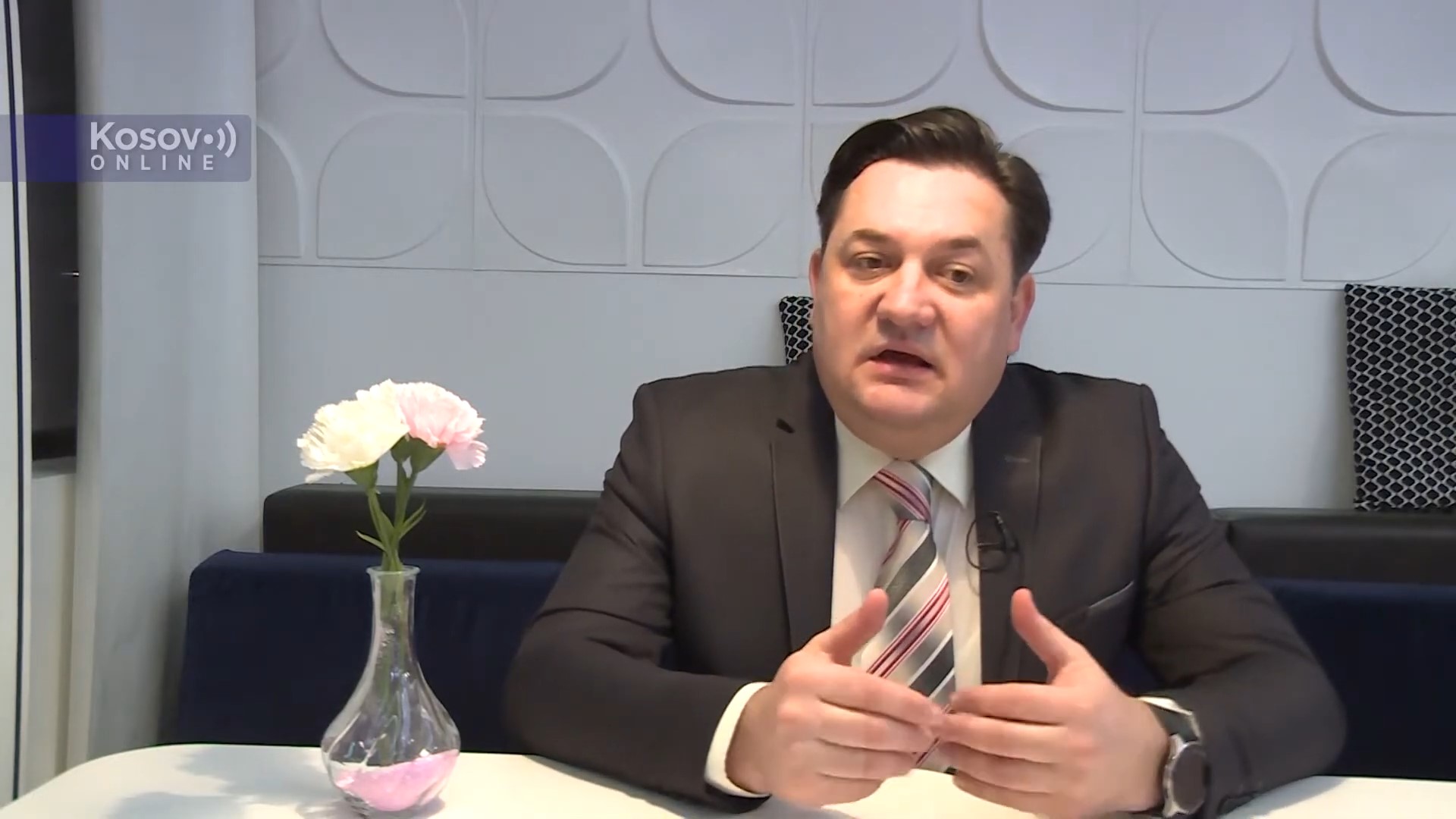
"This time, more than usual, since Serbia's economic achievements are hard to dispute and international community pressures towards recognizing Kosovo's independence have significantly increased more than ever before, despite the growing terror and the creation of impossible living conditions for the Serbs by Kurti's regime and his attackers. The state of Serbia and its leadership have found themselves in a very undesirable position due to the simple fact that Pristina's behavior is unacceptable for our people, while the international community, embodied in the US and the EU, has shown full understanding and tolerance towards the newly emerged 'apartheid' for the Serbs in Kosovo and Metohija. In such a situation, the state has opted for a tactic of buying time, preserving peace and stability, which are the only conditions enabling further development of Serbia, and creating the conditions for the growing strength of Serbia, sooner or later, to be respected when thinking about Kosovo", Miletic assesses for Kosovo Online.
Such a strategy, he adds, has opened the space for numerous internal tensions and attacks.
"However, in a situation where we have a policy of double standards and pronounced hypocrisy of the collective West on the one hand, and growing global instability, where 'victims' are sought for the reckoning of great powers, it is neither fair nor acceptable for the unenviable position of the state of Serbia to be used as a field for internal political settling of scores. It would be important to stop weakening the unity of the Serbs in Kosovo and not to use the problems of our people in that area for internal power struggles. There is no greater support for preserving Kosovo and Metohija in Serbia than understanding the complexity of this historical moment, the dangers and opportunities that come with it, and which only the central government, with general societal consensus, can overcome", Miletic concludes.
0 comments