
A Shrine between Heaven and Earth
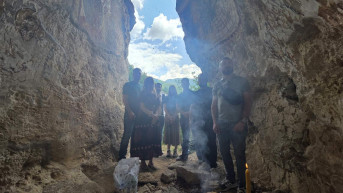
"I first heard of this river in a hagiography," says writer Zarko Milenkovic. In the gorge of the Korisa River, amid beech forests, eight Serbs cross the water. It is the feast day of Saint Peter of Korisa. They have come to mark his patron saint's day and to spend time at a place of extraordinary natural beauty, remarkable frescoes, and a history that stands on the very brink of disappearance.
Five Serbs flew from Vienna to Pristina this morning and arrived from Adem Jashari Airport into an entirely different world. Some of them are engineers who, together with their German, Greek, Kurdish and Iranian colleagues, came last year to examine how this sanctuary, dating from the second half of the thirteenth century, could be protected.
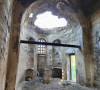
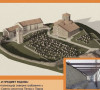
A year ago, local authorities from Prizren brought bulldozers here and, in the name of tourism development, devastated the surrounding environment, undermined the walls, and endangered the entire structure of the hermitage. The operation was accompanied by claims that this was an "Illyrian church that should be accessible to everyone." Following strong reactions from the Serbian Orthodox Church and the international community, the works were halted. Construction materials still lie by the roadside. The river has since washed away the road, and the hermitage can no longer be reached by quad bikes or motorcycles.
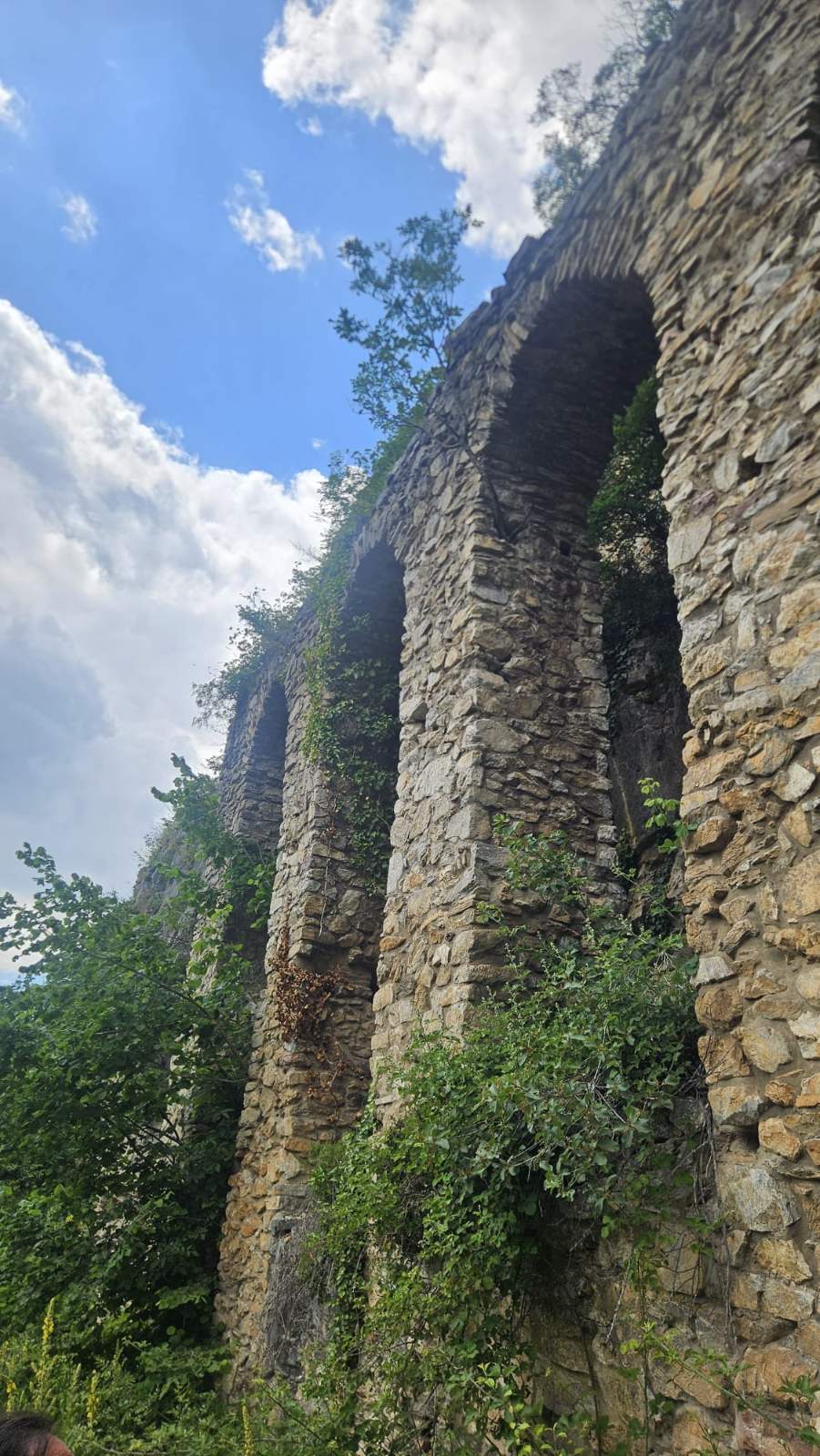
A restoration project to repair the damage is being prepared by both foreign and Serbian experts—structural engineers, geologists and other specialists—but it seems that something entirely different has brought these young people to the Korisa wilderness this year.
They have escaped, for a moment, the streets of Vienna, just as Saint Peter of Korisa escaped, 750 years ago, the noise and suffocating atmosphere of the world of his time.
We proceed along the newly built road, now collapsing because heavy construction machinery undermined the supporting pillars of the monastery church. New cracks can be seen each time one visits.
"It is good that vegetation is beginning to spread and slow the erosion, but it cannot save these pillars," says engineer Aleksandar Matic.
Through tall grass we approach the monastery gate.
"There could be snakes here, and Sonja has come wearing golden hermit's ballet flats," jokes Nikola Osmokrovic.
Sonja Vukovic, a teacher from Osojane, carries the slava wheat dish in her hands, and all of us worry that she might stumble. Step by step, our hands resting on the cliffs of the Shar Mountains, we enter Saint Peter's cave.
The celebration can begin. A large candle from the Monastery of the Holy Archangels has been lit.
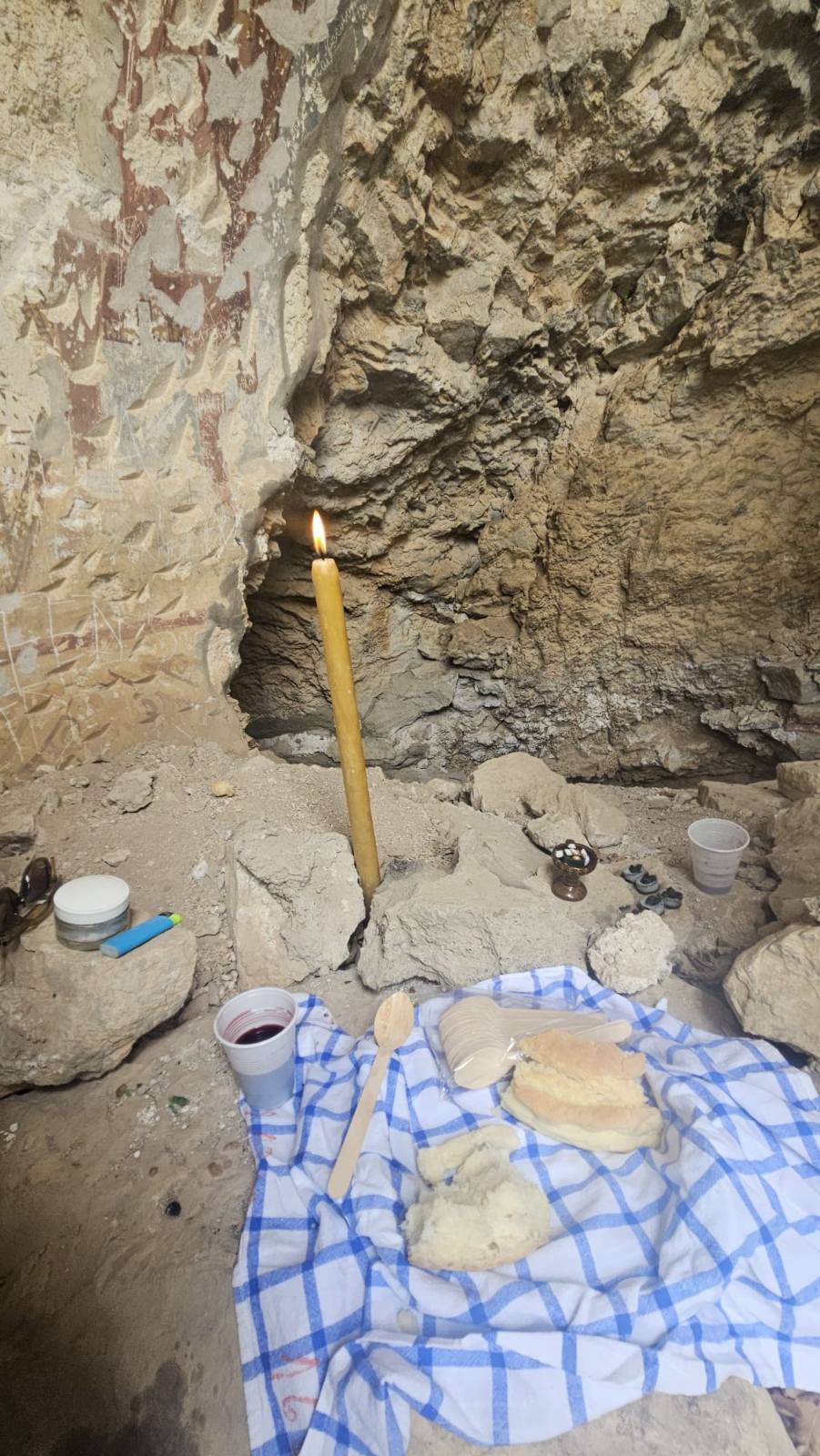
Mother Superior Irina sent the ceremonial bread, while Sinisa Zivic prepared plenty of incense and the censer.
"Burn all of it—you know why."
On this very day in 1999, he was seriously wounded in Pristina. Saint Peter of Korisa is his patron saint.
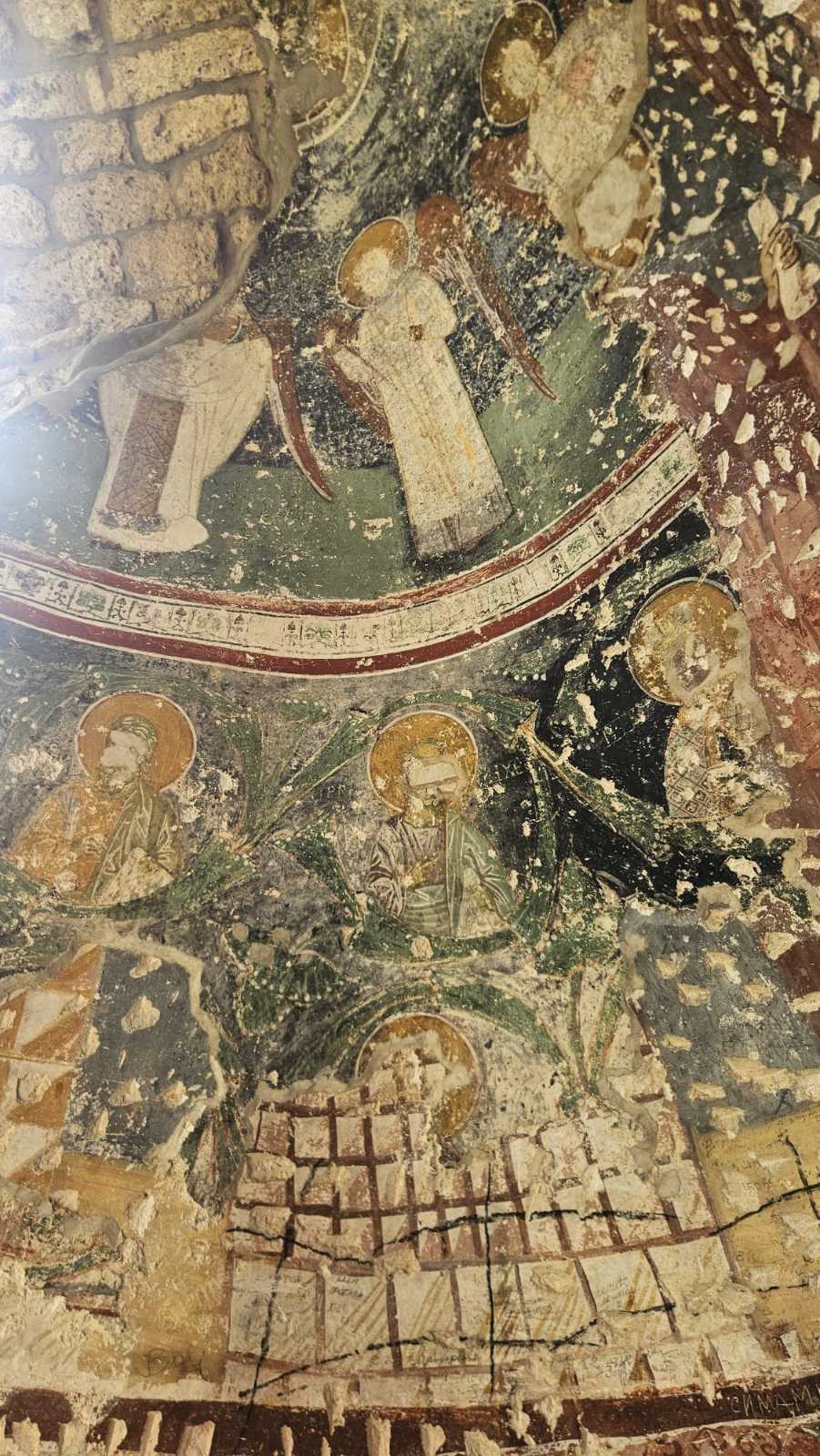
The frescoes painted on the rock walls breathe in the fragrance of incense.
"Christ is risen from the dead," echoes through the cave.
Here, Saint Peter of Korisa endured the trials of both his own age and ours—separation from his parents, concern for his sister, and rejection of a world that was not truly his.
We turn the ceremonial bread, recite the Lord's Prayer, and exchange greetings on the feast day.
On the walls is a fresh inscription: UCK (Kosovo Liberation Army).
We drink wine from a bottle bearing the image of Saint Sava in the very place where the hermit once lived on beech acorns and bitter herbs.
The guests from Vienna, organizers of the Saint Sava Ball, joke that every ball brings a new child into the world.
"And the next ball will bring another new life," Milan Vidovic announces for the first time, sharing the joyful news.
"May the child be called Petar or Petra," someone calls out.
We congratulate the reserved father-to-be. Life among these cliffs between heaven and earth has always emerged victorious.
"Who is depicted in that fresco, and what is he holding?" asks Nikola Prerad.
On the wall is a fresco of Saint Michael the Archangel, who, according to tradition, protected Saint Peter here from snakes and demons—both external and internal.
His biographer, Teodosije of Hilandar, made this cave the central stage of the struggle between good and evil and produced one of the most original works of Serbian medieval literature.
Plans for the construction of the Monastery of the Holy Archangels were conceived here. Emperor Dusan stayed here with his family. The saint was originally buried at the foot of his cave before his relics were later transferred to Crna Rijeka near Novi Pazar, to another cave monastery.
Yesterday, thousands of people came to venerate his relics. Also present were Metropolitan Joanikije of Montenegro and the Littoral and Bishop Ilarion of Novo Brdo.
Evil has repeatedly sought to erase what man has created, yet it has not overcome sanctity, love, or art.
If a civilization can travel the path from the frescoes of the Church of the Virgin of Ljevish to the paintings in this cave, and if both embody the same beauty, then that civilization cannot be destroyed.
Neither bulldozers, nor falsifications, nor force can overcome these people's need to seek, from the heart of Europe, their own Kosovo Europe.
Written for Politika by journalist and writer Zivojin Rakocevic
0 comments