
Dimitrov: The unification of the right could influence EU policy towards Ukraine and enlargement
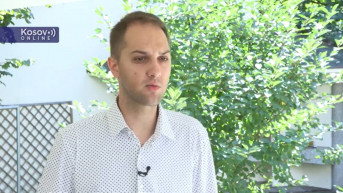
Researcher at the Belgrade Center for European Policy, Djordje Dimitrov, assessed that "Patriots for Europe" have become one of the three most powerful groups in the European Parliament and, in cooperation with other right-wing factions, could influence migration policy, the green agenda, relations with Ukraine, and EU enlargement.
"If they were united, if they spoke with the same tone, they have great strength within the parliament. They can significantly influence voting, having more than ten percent of the total seats in the parliament. Because they are ideologically close to another radical wing like the ID or the conservative ECR, they can thus disrupt liberal policies and influence policies related to migration, the green agenda, as well as relations with Ukraine and EU enlargement," Dimitrov told Kosovo online.
He explains that the coalition "Patriots for Europe" was formed because many right-wing parties, such as Germany's AfD, Orban's FIDESZ, and Andrej Babiš's ANO, were not satisfied within the Liberal wing or the Conservatives.
"They decided that they would have a significantly greater influence in the parliament if they united and simply formed one group, rather than individually as independent members. And of course, this works to their advantage. According to current estimates, they will have about 84 seats, which would place them as the third or fourth most powerful group in the European Parliament," Dimitrov explains.
He emphasizes that one should not expect the united right in the European Parliament to influence issues related to the Western Balkans or the dialogue between Belgrade and Pristina because, he stresses, that policy was established long ago.
"The policy of the European Parliament and the EU was set a long time ago, so there won't be any major shifts. We might see this primarily in rhetoric, which may be more critical of Kosovo coming mainly from these right-wing parties, but to expect it to change any balance or tilt the scale to the other side is unrealistic," says Dimitrov.
What can be expected, he continues, is a sort of status quo until the election of new EU officials.
"What we can expect is that things will remain more or less unchanged, a status quo. Now, a lot depends on who will form the next commission, who will be president, whether Ursula von der Leyen and that group with Kaja Kallas at the helm will manage to get the necessary majority in the European Parliament to take office. After that, we need to see who will be the next representative for the dialogue and the Western Balkans, who will replace Miroslav Lajcak," concludes Dimitrov.

comments