
Djuric: Serbia uses every opportunity to point out the difficult situation of Serbs in Kosovo
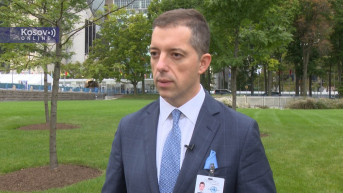
Serbia's Foreign Minister, Marko Djuric, emphasized that Serbia seizes every opportunity to point out the difficult situation of Serbs in Kosovo and that both Brussels and Washington are aware of Serbia's demands. Nevertheless, he believes that the authorities in Pristina will try in every way, as he emphasizes, to make life harder for Kosovo Serbs, RTS reports.
After meetings in New York, Washington, and Brussels, Djuric believes that the interlocutors they met with have a better understanding of the situation in Kosovo and the position of the Serbian people.
"The suffering of our people in Kosovo and Metohija is immense, and I use every meeting to explain to our interlocutors what our people are going through. We have taken the diplomatic struggle to places that have traditionally supported Pristina. Today, both Washington and Brussels are aware of Belgrade's demand to return to the previous state of affairs. This primarily includes the return of Serbs to the police in the north of Kosovo and Metohija, holding elections in the northern municipalities, rather than having them run by people who have the support of only 0.03% of citizens, and the reinstatement of Serbian judges and prosecutors to their positions in the system. I am not optimistic about this, and I think that Kurti's regime will always find a way to make life difficult for Serbs," Djuric explained.
He adds that Kosovo's Prime Minister Albin Kurti did not expect such strong and well-thought-out resistance, primarily from the Serbs in Kosovo themselves, who do not want the apartheid being implemented by the Pristina regime.
Regarding reports that Pristina might lift the ban on goods from central Serbia, Djuric says that Kurti's regime's blockade most affects those who are most vulnerable.
"It is ordinary people. This is not just about whether you'll buy 'Kravica' milk or some imported milk from who knows where; it also leads to store closures and job losses," Djuric said.
He emphasizes that Serbia fundamentally belongs to Europe but pursues a policy of outreach toward everyone.
"We have shown that we are focused on the future, that we want to build roads and bridges of cooperation with everyone. Through the performances of Serbia's delegation and President Aleksandar Vucic at international forums and at the UN, we have demonstrated that we are one of the few countries that maintain an active dialogue with both Western and Eastern countries,” Djuric stated.
In recent times, there has been increasing talk about a shift in the paradigm in the Western Balkans, but the Foreign Minister reminds that the atmosphere at international forums has never been easy for Serbia.
"There are always those who want to label Serbia and pull it back to the '90s. However, we have shown that we are forward-looking and that we want to build roads and bridges of cooperation with everyone. Serbia desires a different region, focused on the future, not the past," Djuric said.
Regarding relations with Germany, he emphasizes that economic cooperation between the two countries is constantly growing.
"In recent months, President Vucic has had several important strategic discussions with Chancellor Scholz, which is crucial for our positioning in that part of the international community. There are also many people in Germany who understand the importance of cooperation between our two countries, and I hope these positive trends will continue. We don't always agree. We have different views and opinions on certain issues, but fundamentally, we are Europeans, just like the Germans," Djuric emphasized.
Djuric reiterates that Serbia does not forget its friends in Africa, Latin America, and Asia, and he emphasizes that thanks to this policy, 27 countries have changed their stance on Kosovo, and today 110-111 countries support Serbia on this issue.
"In the world, the law of the strongest increasingly prevails, but Serbia will continue to firmly adhere to international law and maintain an outreach policy toward everyone. We will also strive to create a friendlier, safer, and more developed environment in the region," Djuric concluded.



0 comments